

Tours to Bhutan start at an airport you have probably never thought about as a destination: Bangkok, Delhi, Kathmandu or Singapore. Paro sits in a valley threaded between ridgelines, receives only regional jets from a handful of hubs, and lets exactly two carriers — Drukair and Bhutan Airlines — fly its demanding approach. That funnel is not an obstacle; it is a design tool. The gateway you choose decides whether your long-haul flight is broken by a real stopover in Nepal or a temple-and-street-food weekend in Bangkok, whether your tour gains an India extension, and how much weather slack you need on each end. This page walks the four gateways, the routings built on each, the booking order that keeps visa clearance ahead of ticketing, and three tours that turn the map's constraints into an itinerary worth flying.
Four Gateways Every Tour Uses
All commercial flights into Bhutan originate from a short list of hubs. Each has a distinct personality, schedule depth and knock-on effect on the tour you can build around it.
Bangkok — the widest schedule
The most frequent Paro departures of any hub, easy US connections, and a city that turns a required stop into a highlight. For many tours from the US, this is the default route for good reason.
Delhi — daily and India-ready
Daily Paro flights and a natural second country: pair the mountains with the Taj, Old Delhi's lanes or Rajasthan's cities on one long ticket.
Kathmandu — the scenic hop
The most beautiful approach in aviation: the Himalaya lines up outside the window an hour before landing, and Nepal earns its two nights on either side.
Singapore — the weekly option
The most limited schedule of the four, but a clean, modern transit for travelers whose long-haul flights route naturally through Southeast Asia.
Land borders exist; flights still win. Overland entry through Phuentsholing or Samdrup Jongkhar works for regional travelers with days to spare, but for tours starting from the US the arithmetic is unforgiving — a multi-day drive from the nearest railhead versus a one-hour hop from Bangkok. Nearly every international tour lands at Paro and lets the operator's vehicle take over from there.
How the Flight Shapes the Tour
Four gateways, four different tours. The routing bends the itinerary around it — pick the shape before you fall in love with the sights.
Four routings, four tour shapes
Same destination, different journeys — choose the routing that fits your calendar
One stop, the widest Paro schedule and easy buffer management — the routing that asks the least of your planning and leaves the most days for Bhutan itself.
Pairs naturally with an India extension on either end; just remember two sets of paperwork and a booking order that respects both governments' clocks.
Adds Nepal's valleys and a Himalaya-window flight, turning a long haul into a two-kingdom trip without adding a second long-haul flight.
Fewer Paro departures mean less slack when weather moves a flight, so this routing rewards travelers with loose calendars and calm nerves.
The Booking Order That Actually Works
Bhutan inverts normal booking logic: the visa comes before the tickets, and the tour dates come before everything. Six steps, strictly in order.
- Lock the tour dates firstFix your Bhutan window before touching flights — hotel pools are small and Paro seats track the same calendar the festivals do.
- Choose the operator and itineraryAgree the route, the style and the hotel tier with a licensed operator, in writing, so the paperwork has something concrete to describe.
- File the eVisaYour operator submits passport details, a photo and the itinerary through Bhutan's online visa system; this step costs you a scan and a signature.
- Wait for clearanceVisa clearance arrives by email and gates everything downstream — no clearance, no tickets, no exceptions made for eager travelers.
- Book the Paro flightsOnly after clearance do the Drukair or Bhutan Airlines seats get issued for the gateway-to-Paro legs, timed to morning arrival windows.
- Then the international legs, with buffersBook your long-haul flights last, with an arrival night at the gateway before the Paro flight and slack on the return for weather.
The order feels backwards the first time — most travelers instinctively buy international seats first and panic about the rest later. Resist that instinct: clearance dates the tickets, the tickets date the arrival, and the arrival dates everything else, so the visa file is the first domino, not the last.
Fees, and where they belong. The Sustainable Development Fee and the one-time visa fee are government-set and revised periodically, so this page prints no figures. Ask the operator to confirm the current rates in writing for your dates, and expect them as named lines inside the tour invoice rather than surprises at the gateway check-in desk.
Timing Your International Legs
The gap between a smooth tour and a sour one is usually measured in hours between flights. Four habits protect the joins.
Arrive the night before
Book an extra gateway night ahead of the Paro flight. A delayed long-haul then costs you a dinner, not the whole itinerary.
Favor morning Paro departures
Paro lands in morning windows for a reason — valley winds build by afternoon. Morning flights leave the whole day to absorb a reroute.
Buffer the return
Weather can hold a Paro departure a day. Never plan a same-evening long-haul connection out of the gateway on the way home; give the mountain the last word.
Skip the same-day gamble
Landing at the gateway at midnight and flying to Paro at dawn stacks two fatigue walls. The tour starts better when one of them is removed.
Tours Built Around Each Gateway
Three tours, three gateways, three shapes of trip. Each is a template — the routing bends around your dates and your long-haul's natural stop.
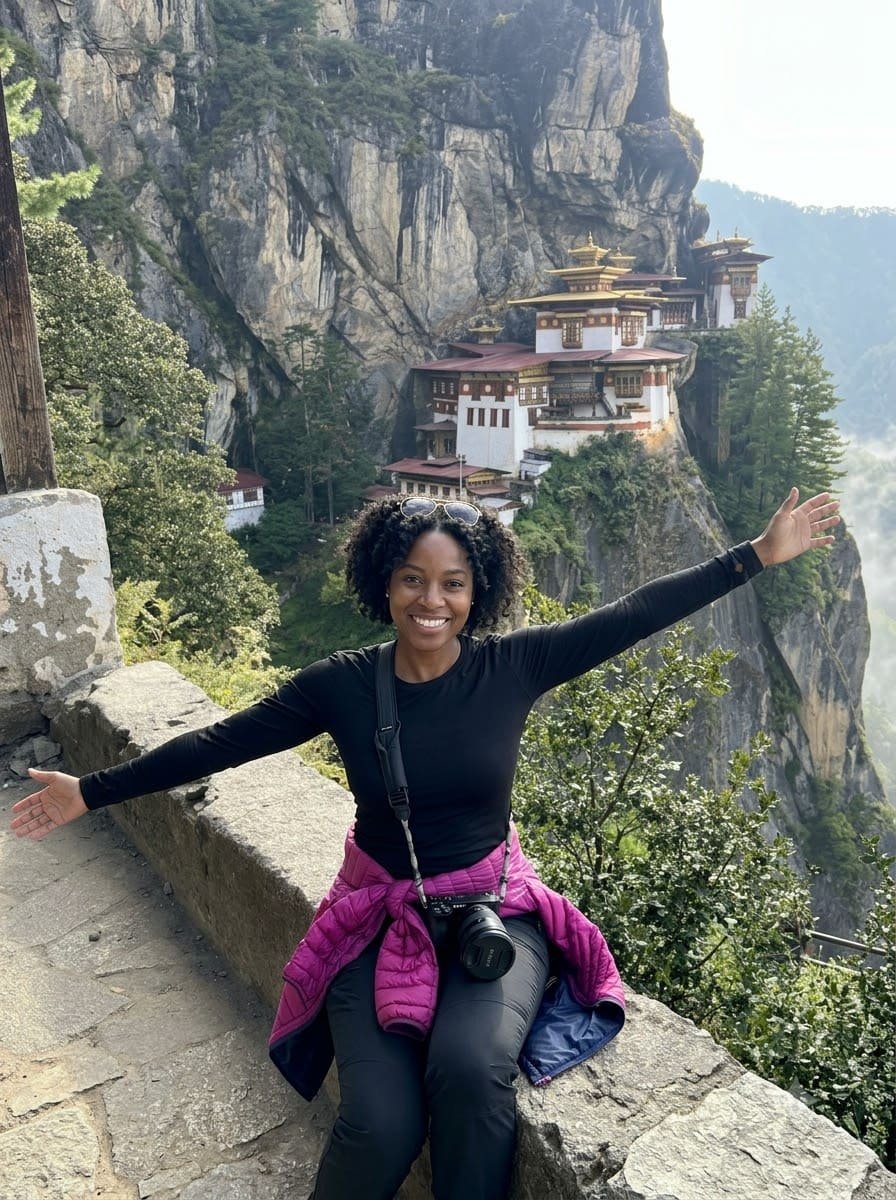
Bangkok-Route Classic
7 Days6 Nights / 7 Days · Paro, Thimphu and Punakha
Suits: the simplest single-stop route from most US hubs
- One clean connection through Bangkok
- Tiger's Nest on day two, legs fresh
- Dochula crossing with tea at the top
- Riverside dzong and a farmhouse lunch
Best for: a single-stop route done cleanly, with the tour itself front and center.
See the day-by-day plan

Kathmandu-Route Combo
9 Days8 Nights / 9 Days · Kathmandu, then Paro · Thimphu · Punakha
Suits: travelers turning a layover into a second kingdom
- Himalaya scenery from the window seat
- Kathmandu's durbar squares before the mountains
- Tiger's Nest capping the Bhutan leg
- One ticket, two kingdoms, no long-haul repeats
Best for: breaking the long haul with a real stop that deserves its own nights.
See the day-by-day plan
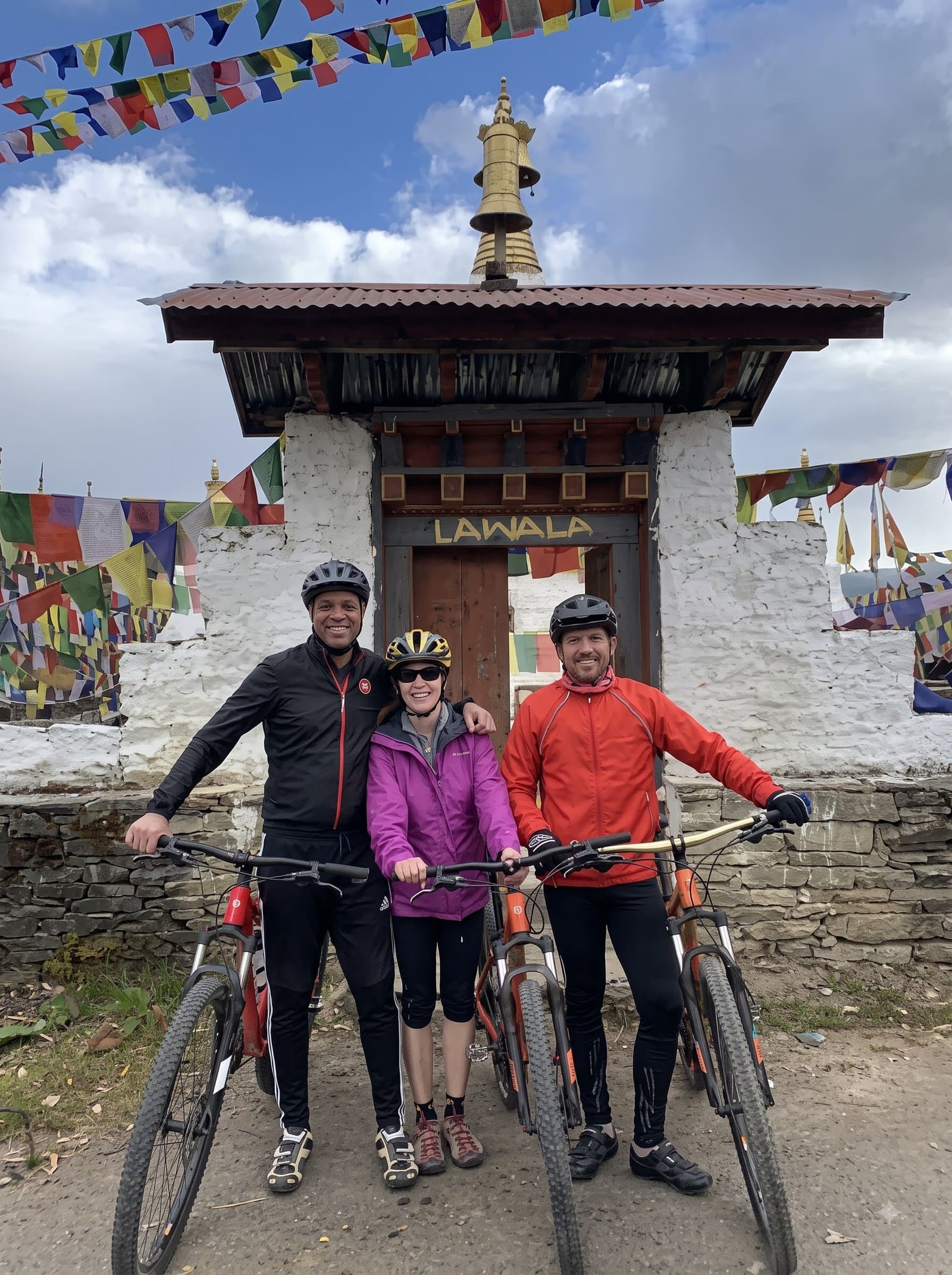
Delhi-Route Extended
10 Days9 Nights / 10 Days · Delhi, then Paro · Thimphu · Punakha · Phobjikha
Suits: India add-on travelers who want the extended loop
- Old Delhi's lanes before the mountains
- Phobjikha's glacial valley on the loop
- Two nights each in Thimphu and Punakha
- One long ticket covering two countries
Best for: two countries in one trip, with Bhutan getting the longer half.
See the day-by-day plan
These cards assume the gateway stop is already part of your journey — the Bhutan nights start when you land at Paro. Tell us where the long-haul lands and how many nights you can spare, and the routing, buffers and itinerary get assembled into one written plan before anything is confirmed.

Booking Seasons From Each Gateway
Peak demand in Bhutan is also peak demand on the gateway seats — the two inventories empty together, so watch both calendars at once.
Gateway pressure through the year
Bar height tracks sky clarity — and how early the seats go
The lesson is that you are booking two flights, not one: the long-haul to the gateway and the regional hop to Paro share the same peak months. October and April fill both first, which is why the booking order on this page puts dates before tickets — the sequence only works when it starts early enough.
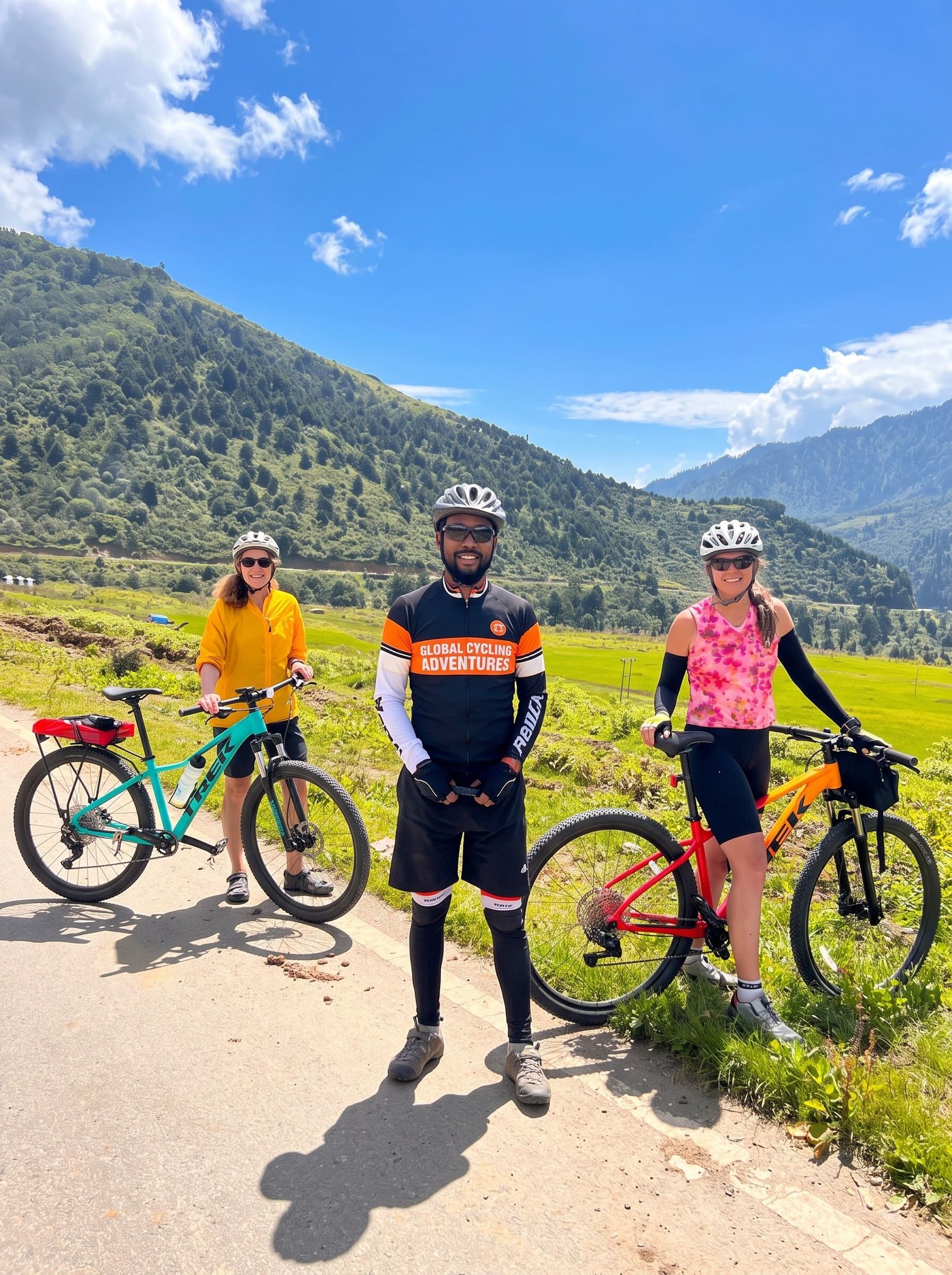
What the Tour Covers Once You Land
Tours to Bhutan divide cleanly at the jet bridge: everything on the Bhutan side is handled; everything on the sky side is yours to arrange. The quote should say which is which.
Inclusions
- Named accommodation for every Bhutan night
- A licensed guide with the party throughout
- Private vehicle and dedicated driver
- Full board: three meals daily
- eVisa filing and Route Permit arrangements
- The nightly Sustainable Development Fee at the government rate
- Paro airport transfers on arrival and departure
- Bottled water and packed lunches on drive days
- Entry tickets for the agreed itinerary
Exclusions
- International flights to the gateway hub
- The regional airfare between gateway and Paro
- Gateway hotel nights on either end
- Travel insurance with evacuation cover
- Alcoholic drinks and personal spending
- Gratuities for guide and driver
Documents at Two Airports, Not One
Routing through a gateway means two immigration desks with two different expectations. Six documents keep both lines short.
- Passport: valid six months beyond your return date — the anchor for two filings, not one.
- Bhutan eVisa approval copy: filed by your operator; printed, because the Paro desk wants paper.
- SDF and visa receipts: carry them; occasional checks on the Bhutan side ask for proof.
- Transit-country requirements: some gateways need a transit or arrival card — confirm for your nationality.
- Insurance certificate: naming medical evacuation, shared with the operator before departure.
- Written itinerary copy: the operator's plan, useful when either desk asks where you are going.
Coverage that crosses borders. A two-country routing means a policy that works in both — and, critically, one that names medical evacuation from remote valleys in Bhutan. Buy it before the eVisa is filed, share the certificate with your operator, and keep a printed copy in the same sleeve as your passport; the gateway leg adds nothing to the risk, but the mountain leg does.
The tour begins at your home airport, not at Paro — route the journey well and the long way in becomes part of the trip.
Tips for Routing the Whole Journey
Six routing habits from travelers who have done this more than once — each buys calm with a little foresight.
Make the stopover earn its keep
If the routing demands a stop anyway, pick the gateway worth two nights — Kathmandu's squares or Bangkok's kitchens beat a transit hotel every time.
Ask for the mountain side
On some regional legs the whole range files past one side of the cabin while the other gets cloud. Ask at check-in which side faces the peaks that day, and trade seats happily.
Guard the buffer nights
The extra gateway night looks optional until a delayed long-haul makes it the only reason your tour still starts on time. Keep it; protect it.
Ask about baggage through-check
Some gateway-to-Paro tickets interline with your long-haul, some do not. One question at booking decides whether you recheck bags at midnight or sleep through it.
Sort an eSIM at the hub
Buy or activate a regional eSIM while you still have fast airport wifi — landing at Paro connected means the guide's update reaches you before the luggage does.
Confirm festival dates before flights
Tshechu dates follow the lunar calendar and firm up close in. Hold your long-haul flights flexible, or book the Paro legs first and let the festival anchor the rest.
Frequently Asked Questions: Tours to Bhutan
Are there direct flights from the US to Bhutan?
No. Paro receives only regional flights from a handful of Asian hubs — Bangkok, Delhi, Kathmandu and Singapore among them — flown by Drukair and Bhutan Airlines. Every tour from the US includes at least one gateway connection, and most include a planned night there on each end.
Which gateway is best for US travelers?
Bangkok, for most first-timers: the widest Paro schedule, the easiest long-haul connections and a stopover city that actually rewards two nights. Delhi wins if India is part of the plan, Kathmandu if you want the scenic hop and a second kingdom, Singapore if your long-haul routes there naturally.
Can I book my own flights to Paro?
Not before clearance. Paro tickets are issued only after your visa clearance lands, and your operator coordinates the timing with the airline schedules. Booking the international legs first and hoping the paperwork catches up is the classic mistake this page exists to prevent.
How much buffer should I leave?
One gateway night before the Paro flight out, and slack on the return — either a late long-haul or an overnight — because mountain weather occasionally holds departures. Your operator will size the buffers to the season; in October and April, lean generous rather than tight.
Is a stopover worth it?
Usually, yes. The long haul to Asia is brutal enough that a two-night break — temples in Bangkok, squares in Kathmandu, Old Delhi's lanes — lands you at Paro rested instead of ruined. If the stop is mandatory anyway, it costs nothing to make it a destination.
Can I enter overland?
Land borders at Phuentsholing and Samdrup Jongkhar do operate for regional travelers, and permits can be arranged that way. From the US, though, the drive eats days that flying preserves, so virtually every international tour lands at Paro and starts the vehicle there.
What if weather delays the Paro flight?
The airline rebooks you on the next workable departure, and a well-built itinerary absorbs the slip — that is what the buffer night is for. This is exactly why the return leg should never connect same-day to a long-haul flight, and why your operator, not you, should hold the rebooking phone numbers.
Do all gateways fly daily?
No. Bangkok and Delhi run the most frequent schedules, Kathmandu is nearly daily in season, and Singapore operates a more limited weekly pattern. Your operator matches the Paro legs to the gateway whose schedule fits your dates — another reason dates come before tickets.
Ready to Route Your Tour to Bhutan?
Tell us your home airport, your dates and whether the stopover should be a rest or a second destination. Druk Yul Journeys will match the gateway, build the buffers into a written itinerary and confirm the government-set fees in writing — with no deposit needed to start.