
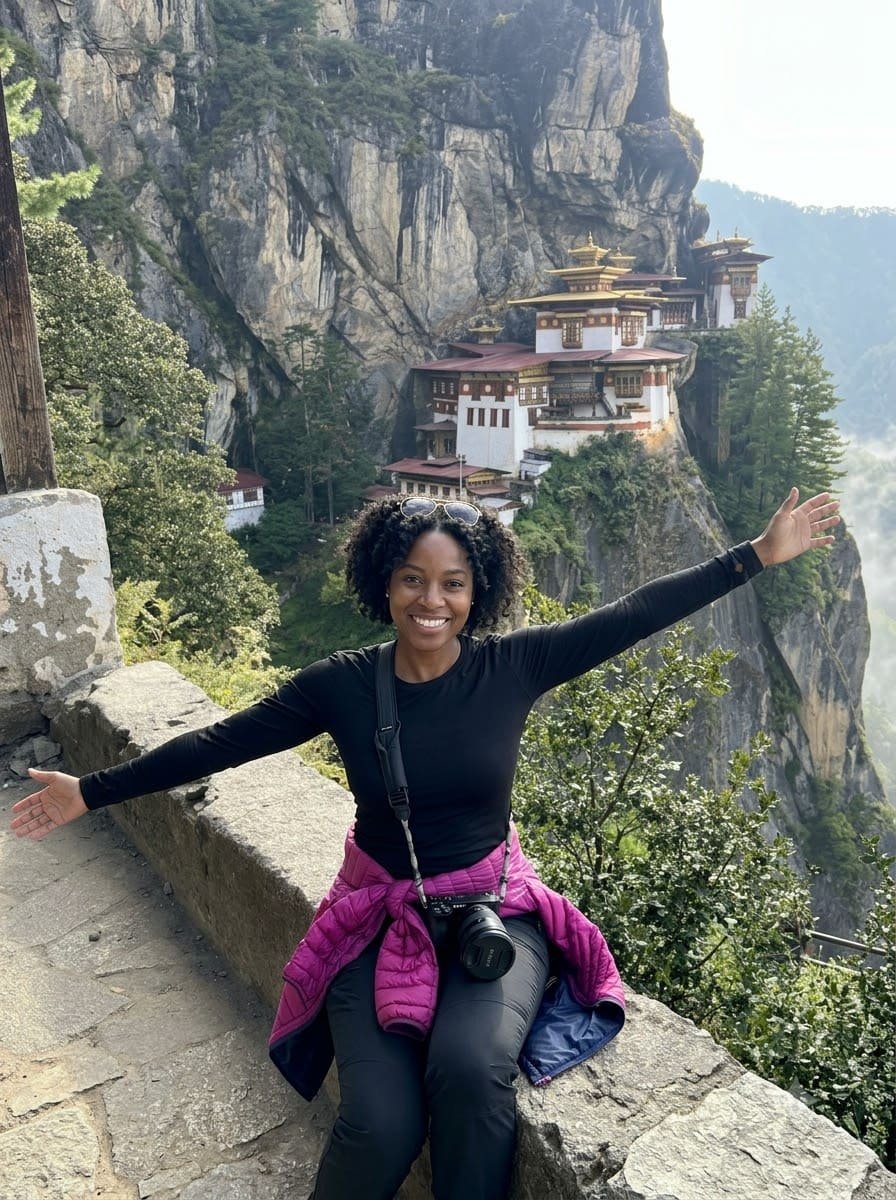
Ask ten people who have planned this trip and you will hear ten different theories about the perfect tour plan for Bhutan. The honest answer is that the country rewards certain itineraries and quietly punishes others, mostly through geometry: Paro, Thimphu, Punakha, Phobjikha, Trongsa and Bumthang line up along a single east–west spine, so every plan is really a decision about how far along that spine your calendar allows you to go. The three plans below — one week, ten days, and two weeks — are built on that spine, each with its reasoning left visible. You will see why the Tiger's Nest hike lands where it does, why no plan ends anywhere but Paro, and why central Bhutan asks for two extra days that most first calendars forget to budget. Treat them as arguments, not scripts.
How a Good Tour Plan for Bhutan Is Built
Every workable plan for Bhutan obeys the same handful of physics. Altitude rises as you move east and inland, drives take longer than the map suggests, and the flight home leaves Paro in the morning. Build around those three constraints and almost any route works; ignore them and even a generous calendar starts to feel like a bus transfer.
West first, climb gently
The western valleys — Paro, Thimphu, Punakha — sit lowest on the map and hold the country's headline sights. Starting there lets your body adjust while the days are still easy, which is why every plan below spends its first nights west of the passes.
The hike lands early
The Tiger's Nest hike is the single biggest morning in any first plan, and it comes on day two — close enough to arrival that the weather window is wide, far enough in that your legs have recovered from the flight. Every plan below protects that slot.
Drive rhythm alternates
No two long road days sit back to back in a good plan. After the drive to Punakha comes a full day on foot in the valley; after the climb to Phobjikha comes a morning of trails, not another highway.
End in Paro, always
Whatever else changes, the final night belongs to Paro, within easy reach of the airport for a departure that leaves before lunch. Plans that end in Thimphu or Punakha are borrowing trouble on the one morning that cannot slip.
Morning departures are the reason for that last rule. Drukair and Bhutan Airlines fly out of Paro in the morning windows, when the valley air is calmest, and they will not hold a schedule for a late drive from another valley. Any plan that ends more than a couple of hours from the airport is gambling with the one flight that matters most — so the last night stays in Paro, and the last evening stays unhurried.
Plan One: The One-Week Western Circuit
This is the plan for a single week of vacation time, and it covers the three western valleys without ever feeling like a dash. Two nights in Paro bookend the trip, Thimphu gets one full evening, and Punakha gets the deepest stay of all. Here is the week, day by day.
- Day 1 — Land and land softlyArrive in Paro through your connecting hub, collect the khada welcome scarf, and keep the evening deliberately empty. An easy stroll and an early dinner beat any sightseeing on a day this long. Overnight Paro.
- Day 2 — Tiger's Nest, early startThe Taktsang Monastery hike takes most of the day, and doing it while your legs and the weather are both fresh sets the tone for everything after. Afternoon free in Paro town. Overnight Paro.
- Day 3 — Over to ThimphuA short drive into the capital with Tashichho Dzong as the anchor stop, then the evening loose around the town center. Overnight Thimphu.
- Day 4 — Over Dochula to PunakhaClimb over the pass with its 108 memorial chortens, drop into the warm valley, and reach Punakha Dzong by afternoon light. Overnight Punakha.
- Day 5 — The Punakha daySuspension bridge, Chimi Lhakhang, farmhouse lunch — the valley rewards a full day on foot better than any checklist. Overnight Punakha.
- Day 6 — Back over the passA scenic return drive to Paro with the afternoon left loose for last looks and last souvenirs. Overnight Paro.
- Day 7 — Fly outA short transfer to the airport and a morning departure. The week closes the way it opened — unhurried.
Plan Two: The Ten-Day Valley Route
Ten days buys the two things a week cannot: a full day inside Thimphu, and two nights in Phobjikha, the wide glacial valley where black-necked cranes winter. The front half mirrors the one-week plan, then the route stretches east before folding back to Paro. The extra nights are not spread evenly — they go where the quiet is.
- Day 1 — Arrive ParoLanding day stays light: khada welcome, an easy walk, an early night before the week begins. Overnight Paro.
- Day 2 — Tiger's NestThe monastery hike fills the morning and early afternoon, with market and town time after. Overnight Paro.
- Day 3 — To ThimphuA short transfer with a couple of roadside stops, arriving with the afternoon still ahead of you. Overnight Thimphu.
- Day 4 — Full Thimphu dayTashichho Dzong, the Takin preserve and the craft studios — the capital is the one town that deserves an unhurried day. Overnight Thimphu.
- Day 5 — Over the pass to PunakhaDochula Pass, then down into the subtropical valley for the dzong by late afternoon. Overnight Punakha.
- Day 6 — Punakha dayThe suspension bridge, Chimi Lhakhang and the valley villages, at the pace the valley itself seems to run on. Overnight Punakha.
- Day 7 — Climb to PhobjikhaUp and over Pele La into the broad glacial valley, with Gangtey Monastery on arrival. Overnight Phobjikha.
- Day 8 — Valley dayMonastery, valley trails, and the crane centre in season — Phobjikha is the plan's breathing space, so let it breathe. Overnight Phobjikha.
- Day 9 — Long scenic returnThe drive back to Paro is the longest road day of the plan, broken by passes and tea stops. Overnight Paro.
- Day 10 — Fly outMorning transfer and departure, with the final night already banked in Paro.
Plan Three: The Two-Week Central Journey
Two weeks is what the country is quietly built for. The route keeps the western opening, then pushes over Pele La into Trongsa and Bumthang — valleys most first calendars never reach. The catch is the return: central Bhutan is a long way from Paro, and the drive home deserves two days, not one.
- Day 1 — Arrive ParoLanding day, kept deliberately quiet — khada welcome, easy evening, early night. Overnight Paro.
- Day 2 — Tiger's NestThe monastery hike while legs are fresh, with the afternoon loose in Paro town. Overnight Paro.
- Day 3 — To ThimphuA gentle drive into the capital, Tashichho Dzong on arrival. Overnight Thimphu.
- Day 4 — Thimphu dayDzong, Takin preserve, craft studios, and the weekend market if the calendar cooperates. Overnight Thimphu.
- Day 5 — To PunakhaOver Dochula Pass and down to the dzong at the river confluence. Overnight Punakha.
- Day 6 — Punakha dayBridge, temple, farmhouse lunch — the valley day that anchors the first week. Overnight Punakha.
- Day 7 — To PhobjikhaClimb over Pele La into the crane valley, arriving in time for a first stroll. Overnight Phobjikha.
- Day 8 — Phobjikha to TrongsaA morning on the valley trails, then over the ridge to Trongsa, its dzong stacked above the gorge. Overnight Trongsa.
- Day 9 — Trongsa to BumthangThe dzong in the morning, then the climb into Bumthang, the wide valley Bhutan's histories are written around. Overnight Bumthang.
- Day 10 — Bumthang dayJambay Lhakhang, Kurjey Lhakhang and Mebar Tsho, the burning lake — a day on some of the country's oldest ground. Overnight Bumthang.
- Day 11 — Back toward PunakhaThe long drive west begins, broken into a manageable leg with stops along the way. Overnight Punakha.
- Day 12 — Final stretch to ParoOver Dochula one last time and down into Paro with the afternoon free. Overnight Paro.
- Day 13 — Fly outMorning transfer to the airport, and the journey home.
Notice the shape of the return. Days eleven and twelve exist because Bumthang to Paro in a single push turns the last two days of a two-week trip into a slog, and nobody remembers a trip fondly if its final memory is the inside of a vehicle. Splitting the return — and banking a Paro night at the end — is the difference between ending a journey and merely surviving it.
What any plan carries, briefly. Every plan above carries the same two government charges — the one-time visa fee and the nightly Sustainable Development Fee — alongside your package. Both rates are set by Bhutan's government and revised periodically, so this page prints no figures; ask your operator to confirm the current rates for your travel dates in writing before you commit to anything.
Tuning Any Plan
However good a template is, the trip you actually take will differ from it in three or four places. These are the five adjustments that come up most often, with the logic for when each one earns its place.
Five moves that improve almost any plan
Each row is a trade — what you gain, and what it asks of your calendar
Thimphu and Punakha trade easily in either direction. If one valley looks thin on the page, it will look thinner on the road — move the night before you book, not after.
Paro and Thimphu Tshechu dates are published well ahead. Anchor the festival first and build the plan around it, because rooms near the festival grounds go first.
A day walk — a Druk Path section, or a valley trail — slots best into the middle of the plan, where a soft day can follow it. Bolting a trek onto the final days risks the flight.
One unplanned afternoon per trip — a market, a café, a riverside walk — is what travelers mention a month later. Guard at least one from the itinerary.
Whatever else moves, this one does not. Morning flights out of Paro forgive almost nothing, and the drive back from any other valley is longer than it looks.
The Same Three Plans as Bookable Trips
If you would rather start from a bookable version of the plans above, these three cards mirror them exactly — same night counts, same logic, same protections around the hike and the final flight. Each one is a starting template your operator will adapt to your dates and pace.

The One-Week Plan
7 Days6 Nights / 7 Days · Paro-Thimphu-Punakha
Ideal for: plan one, run exactly as written on one clean week of time off
- Mirrors plan one day for day, with the hike on the first full morning
- One evening in the capital and two full days in the Punakha valley
- A Paro night at the end, timed to the morning departure window
- Farmhouse lunch and hot-stone bath folded into the Punakha stay
Best for: one clean week that covers the western circuit without cutting the hike short.
See the day-by-day plan
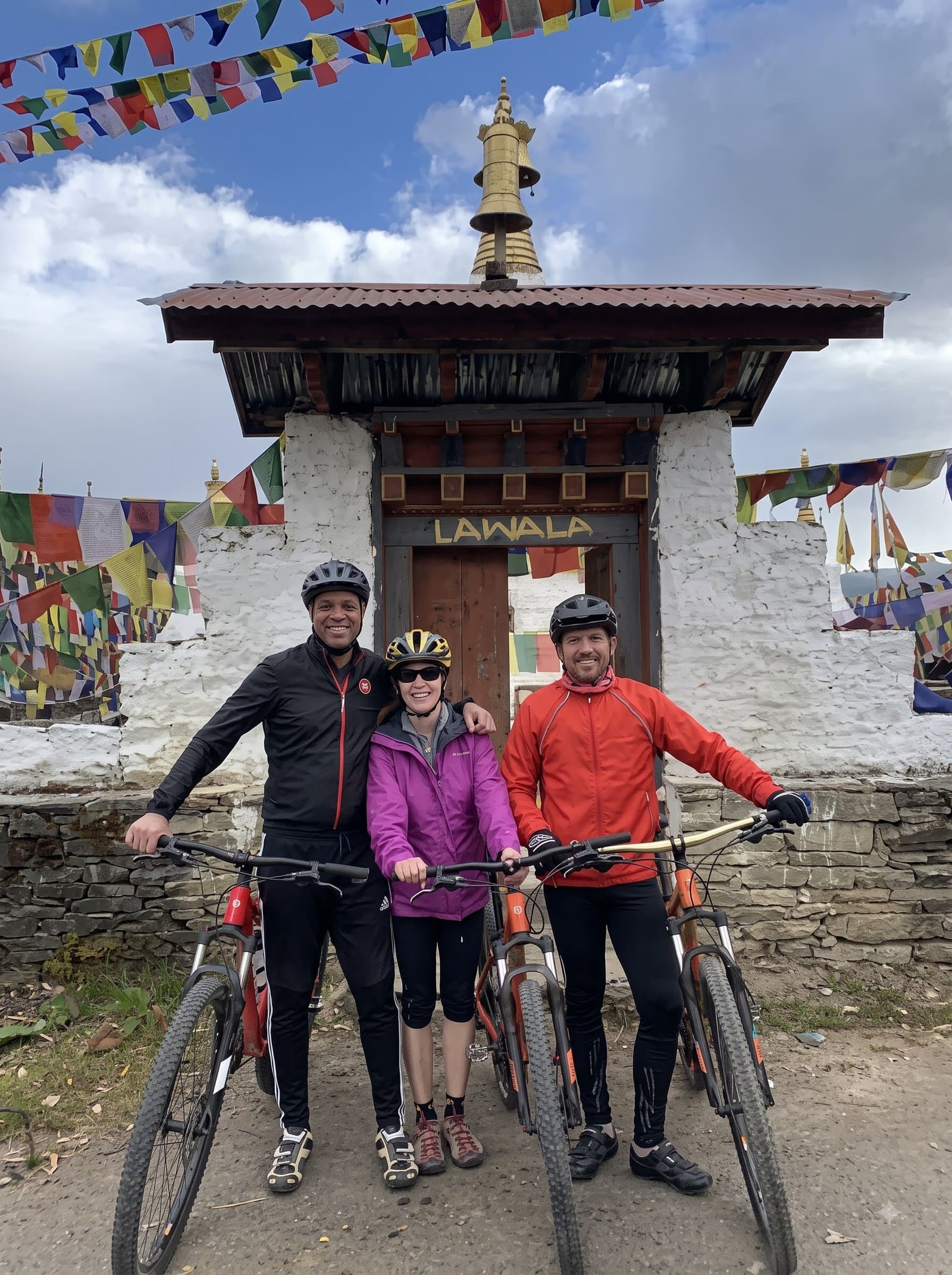
The Valley Plan
10 Days9 Nights / 10 Days · Paro-Thimphu-Punakha-Phobjikha
Ideal for: plan two, with the extra nights spent where the quiet lives
- The ten-day plan as written, including a full day inside the capital
- Two nights in Phobjikha, with the crane centre in season
- Drive rhythm kept gentle — no back-to-back long road days
- A full buffer evening in Paro before the morning flight out
Best for: the valley rhythm — travelers who would rather go deeper than wider.
See the day-by-day plan
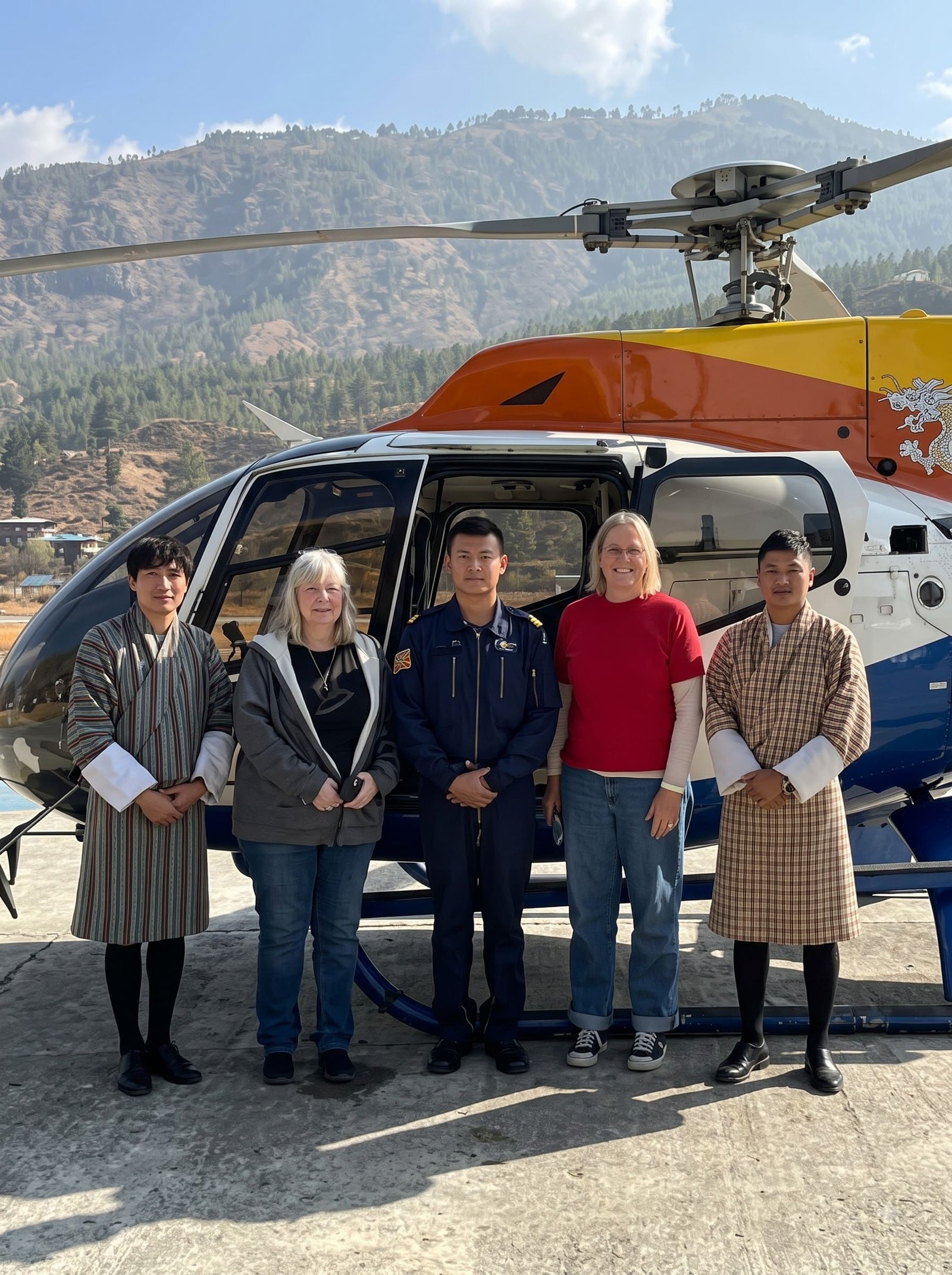
The Central Plan
13 Days12 Nights / 13 Days · Paro-Thimphu-Punakha-Phobjikha-Trongsa-Bumthang
Ideal for: plan three, the full spine taken slowly and deliberately
- The full spine — six valleys from Paro out to Bumthang and home again
- Trongsa Dzong above the Mangde gorge, and Bumthang's oldest temples
- The return drive split across two days, as those roads deserve
- A plan long enough to justify every hour of the long-haul flight
Best for: the full spine in one deliberate trip, for travelers going deep once.
See the day-by-day plan
Each card above is a starting template rather than a fixed script. Shift a night between valleys, add the festival you want to see, or stretch a free afternoon — then send your dates, headcount and departure city, and a travel designer will rebuild the plan around what you actually want, with a written itinerary and a clear quote to follow.
When Each Plan Runs Best
Bhutan's seasons redraw these plans more than most destinations would. Passes close in mist during the monsoon, crane season only fills Phobjikha in the cold months, and festival dates anchor whole weeks. Here is the year at a glance, tuned to these three itineraries.
Weather & booking pressure, by month
Higher bar = clearer skies — and more competition for the rooms each plan needs
Read the chart against the plans: the one-week circuit runs well in any clear month, the valley plan earns its Phobjikha nights most between late autumn and early spring — crane season — and the central journey wants the driest windows of all, since its long roads depend on open passes. October and April are the perfection months and book out first; May and September are the clever compromise.

What Comes with These Plans
Because trips run through licensed operators under Bhutan's tourism system, the baseline inclusions barely change from plan to plan. What changes with length is everything that scales by the day — guide time, vehicle days, and the nightly fee that applies to every visitor. The core list looks like this.
Inclusions
- Every night's accommodation, from arrival evening to the final Paro night
- A licensed Bhutanese guide with you for the whole route
- Private vehicle and driver for all transfers and sightseeing
- Visa processing and route permits for wherever the plan crosses
- The nightly Sustainable Development Fee, billed at the current government rate
- Airport pickups and drop-offs at Paro
- All meals — breakfast, lunch and dinner — across the itinerary
- Drinking water in the vehicle throughout
- A cultural extra or two, such as an archery session or a hot-stone bath
Exclusions
- International flights from home, and the regional tickets to and from Paro
- Alcoholic drinks and specialty beverages
- Museum and monument tickets beyond the itinerary's included entries
- Travel insurance, and any personal shopping along the way
- Optional extras: trek extensions, festival seats, rafting, ballooning
- Extra costs caused by weather-delayed or missed connections into Paro
Documents to Line Up for Any Plan
Whichever of the three plans you choose, the paperwork list stays identical, which makes it one of the few parts of the trip you can finish early. Line these up while your operator shapes the itinerary. Everything below is either a scan you already own or a printout you will receive.
- Passport: valid for at least six months beyond your return date, with room for the arrival stamp.
- Visa clearance copy: filed by your operator and stamped into your passport at Paro — carry the printout.
- Fee payment receipt: covering the visa fee and the nightly Sustainable Development Fee, collected through your operator.
- Passport photos: a recent spare set per traveler, in case any form asks.
- Insurance policy: one that names medical evacuation explicitly, not just cancellation.
- Flight confirmations: hub-to-Paro and return, matched to your clearance date.
One health note worth acting on early. The plans above climb steadily — Thimphu sits higher than Paro, and the central valleys climb further still. Most travelers adjust without trouble, but build the easy first evening into the plan anyway, keep any regular medication in your carry-on, and check that your insurance covers a mountain evacuation before you need it.
A tour plan is a promise about time — make it carefully, then let Bhutan improve on it.
Tips That Make Any Plan Run Better
A handful of habits separate plans that flow from plans that fray. None of them requires extra days or extra spending — they are simply the things experienced planners do before departure day. Steal all six.
Lock the hike, then the rest
Book around Tiger's Nest weather logic: mornings are calmest, so keep day two's schedule empty after lunch. If clouds roll through, the afternoon has nothing to rescue.
Count drives in hours, not miles
Mountain roads rewire your sense of distance. A route that looks short on the map can eat a morning, so trust your operator's drive times over the atlas.
Give Thimphu its full day
The capital rewards a slow visit — dzong, preserve, craft studios, weekend market. Plans that rush Thimphu are the ones travelers remember least.
Keep one afternoon unscheduled
Some of the trip's best hours are the ones nobody planned. Protect a single free afternoon per valley and let your guide fill it with whatever is happening locally.
Match the plan to the travelers
Families and older parents do better on the ten-day rhythm — fewer road hours, more evenings in one place. The central plan rewards patient road-trippers.
Confirm rates in writing
Before you pay anything, get the visa fee, the nightly fee and the package total confirmed in writing. It takes one email and removes every later surprise.
Frequently Asked Questions: Tour Plans for Bhutan
Which plan fits a first visit?
The one-week circuit, if a week is all your calendar gives you — it covers the three western valleys and the Tiger's Nest hike without hurrying. If you can stretch to ten days, the valley route adds a full day in Thimphu and two nights in Phobjikha, which is where most first-time travelers say the trip found its quiet. The two-week journey is better saved for a return trip or a very generous window.
Can the plans be merged?
They are really the same route at three lengths, so merging is less a matter of combining than of choosing how far east you go. The ten-day plan is the western circuit plus Phobjikha; the two-week plan is the valley route plus Trongsa and Bumthang. Pick your endpoint first, then let the night counts follow.
How customizable are the plans?
Completely. Every night can move between valleys, every sightseeing block can trade places, and your operator will rebuild any card around your dates, your pace and the festival calendar. The only fixed points are the Tiger's Nest morning and the final Paro night before the flight out.
Which plan suits families?
The ten-day valley route. Families juggle more variables — school holidays, energy levels, early dinners — and the extra nights mean fewer long drives and more evenings settling into one place. The one-week plan works for older kids with good stamina; the central journey asks for patient road-trippers.
Where would a trek day fit?
Into the middle of any plan, never the end. A Druk Path section between Paro and Thimphu slots naturally after the Tiger's Nest hike, and Phobjikha's valley trails make an easy half-day option. A trek deserves a soft day after it, which is why the middle of the calendar beats the final days.
Do plans include rest days?
Built in, quietly. Arrivals are deliberately light, Phobjikha runs at walking pace, and every plan keeps the last afternoon free. If you want a true do-nothing day, say so — an unscheduled day in Punakha or Paro is easy to write into any of the three.
Where do plans usually fail?
Three places: packing a fifth valley into a week, stacking two long drives back to back, and ending anywhere but Paro. Every failure mode is calendar-related rather than sight-related — the sights are never the problem, the spacing is. Fix the spacing and the plan fixes itself.
Can the last day be flexible?
Not really, and that is by design. Paro departures leave in morning windows, so the final night stays within easy reach of the airport and the final morning stays empty. If your particular flight leaves later in the day, your operator can stretch the second-to-last day — confirm it in writing when you book.
Ready to Build Your Tour Plan for Bhutan?
Tell us which of the three plans is closest, plus your dates, headcount and departure city, and a travel designer will rebuild it around your calendar — with a written day-by-day itinerary, a transparent quote, and no deposit required to start.