
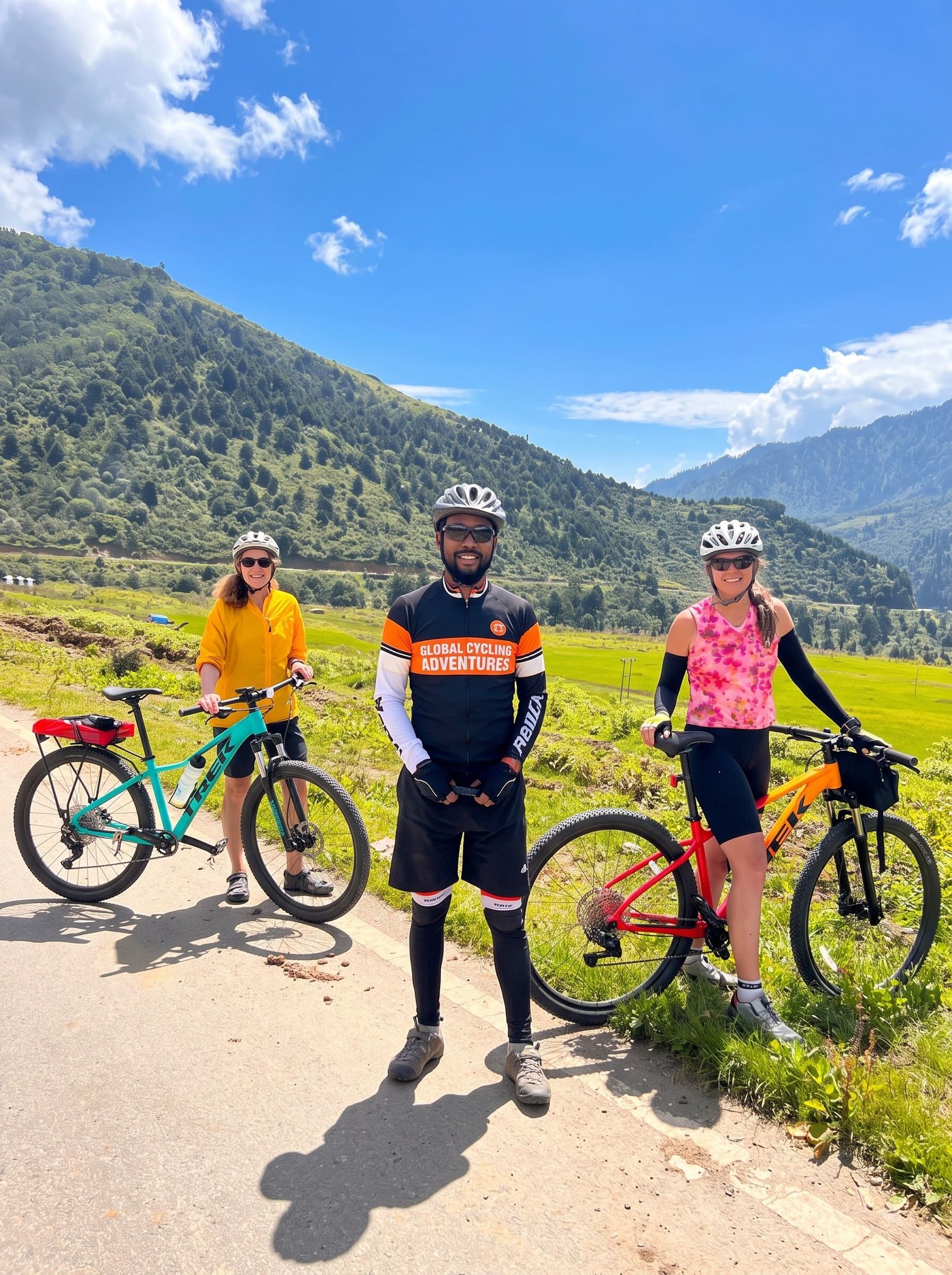
Ask anyone who has toured Bhutan twice and they will usually admit the second trip felt like a different country. That is not sentimentality — it is geography. To tour Bhutan well you first choose a region, because the region sets the road: the western valleys run short and gentle, the central valleys demand full drive days and reward them with dzong country you cannot reach any other way, and the east is a frontier most itineraries never touch. Then you choose a touring style, because a photography-led week and a festival-timed week can share an identical map and still be unrecognizable from each other. This page walks through both decisions in order — regions, styles, route flow, the ground rules, and three tours that show the styles in action — so you can stop browsing brochures and start designing the trip that fits how you actually like to travel.
The Three Regions Tours Are Built Around
Bhutan's touring map divides cleanly into west, center and east. Each region carries its own drive times, its own altitude profile and its own reason to exist — and one of them is rarer than the other two combined.
The West: Paro, Thimphu, Punakha
The classic first tour: short drives, the big three valleys, Tiger's Nest, Dochula and the riverside dzong. Altitudes stay moderate, hotels cluster thickest here, and a week covers it without hurry. Most travelers build here first and range outward later.
The Center: Phobjikha, Trongsa, Bumthang
Climb over Pele La and the country turns rural and religious. Phobjikha's glacial bowl, Trongsa's gorge-straddling dzong and Bumthang's temple-dense valleys are the heartland — worth every long drive, and usually a two-week commitment.
The East: Mongar to Trashi Yangtse
The rare one. Beyond Bumthang the road drops through subtropical gorges toward Mongar, Lhuentse and Trashi Yangtse — weavers, corn terraces and very few other visitors. Tours pair it with an eastern exit or a long, scenic drive home.
Why First Tours Stay Western
Simple arithmetic: the west sits within a couple of hours of Paro, so more of your days go to seeing rather than driving. Central and eastern loops make superb second or third trips — not cautious first ones.
Mountain distances, not map distances. Bhutan measures journeys in switchbacks and river crossings, not kilometers — an hour of map time can easily become half a day of road, and the roads that look shortest on paper climb the highest passes. Build drive days generously, start mornings early, and never plan a long drive on the same day as a flight out of Paro.
Six Touring Styles
Once the region is set, the style decides what each day is actually for. Six are worth naming — most tours blend two or three, but one should lead.
Cultural circuit
Dzongs, monasteries, museums and farmhouse lunches in the classic west-to-center sequence. The default style for a reason: it covers the icons while leaving room for the small moments between them.
Festival-timed touring
The whole route bends around a Tshechu, so you are standing in a dzong courtyard when the masked dances begin. Dates follow the lunar calendar, and rooms near the host dzong go first.
Trek-and-tour
A short trek or a string of day hikes stitched into a cultural route. You sleep in the same beds as everyone else, but your legs log the miles the vehicle tourists skip.
Photography-led
Early starts, golden-hour detours and a guide who knows which balcony faces the light. The itineraries look familiar; the pacing — long pauses, repeated visits — does not.
Slow wellness
Fewer valleys, longer stays: hot-stone baths, farmhouse kitchens, morning walks and time to sit still. Best measured in nights per valley rather than sights per day.
Birding and nature
Phobjikha's crane country, forested passes and river valleys guide the route. Days start before breakfast and end with long lists; the culture arrives between the birds.
How a Tour Route Actually Flows
Tour routes are chains of specific legs, each with its own character. Knowing what each leg does explains why itineraries are ordered the way they are.
The western circuit, leg by leg
Each leg sets up the next — order matters more than miles
A short, easy drive that lets the first morning absorb the flight, with the capital's dzong and market filling the afternoon before the bigger crossings begin.
The route climbs to Dochula's 108 memorial chortens for the mountain panorama, then drops into subtropical river country — the trip's first genuine pass crossing.
Back over the pass country, then down a quiet side road into a glacial bowl of dwarf bamboo and crane fields — the moment the trip feels properly rural.
The road falls toward the Mangde Chhu gorge, and Trongsa's layered dzong appears across the valley long before you reach it — the finest arrival view on any route.
Over Yutong La through pine and rhododendron into Bumthang's broad valleys, where temple after temple justifies every drive day the central loop demanded.
The Ground Rules Every Tour Runs On
Independent wandering is not how Bhutan works, and once you accept the frame, touring becomes simpler, not harder. Six rules shape every itinerary on sale.
- A licensed operator plans and filesEvery foreign visitor's trip runs through a government-licensed Bhutanese operator — the entity that files your visa, books your rooms and answers for the itinerary.
- A guide rides along dailyA licensed guide accompanies the party throughout. They are not optional escorts; they are translators, etiquette coaches and the reason a dzong visit means something.
- Vehicle and driver come as a pairYour party gets a dedicated vehicle with its own driver, who stays with the trip start to finish — mountain roads reward familiarity.
- Route permit beyond Paro and ThimphuTravel beyond the Paro-Thimphu zone — Punakha, Phobjikha, the center, the east — needs a Route Permit the operator arranges before you set out.
- The nightly SDF appliesNon-regional visitors pay the government-set Sustainable Development Fee for each night in the country. The rate moves; ask your operator to confirm it in writing.
- Two carriers, one airportAll commercial flights land at Paro, flown only by Drukair and Bhutan Airlines from a handful of regional hubs. Your tour begins and ends with their schedules.
None of these rules restricts where you go as much as newcomers fear — they simply route the logistics through people who do this daily. The practical effect is that touring Bhutan feels less like backpacking and more like being a well-looked-after guest of whichever valley you have driven into.
Why no fee figure appears here. The Sustainable Development Fee and the one-time visa fee are set by Bhutan's government and revised periodically, so any number this page printed would age badly and mislead somebody mid-booking. Ask your operator to confirm the current rates for your travel dates in writing, and expect each to appear as its own named line on the invoice.
Tours That Show Each Style
Three tours, three styles, three very different uses of the same country. Each is a starting template — the regions stretch or shrink around your dates.
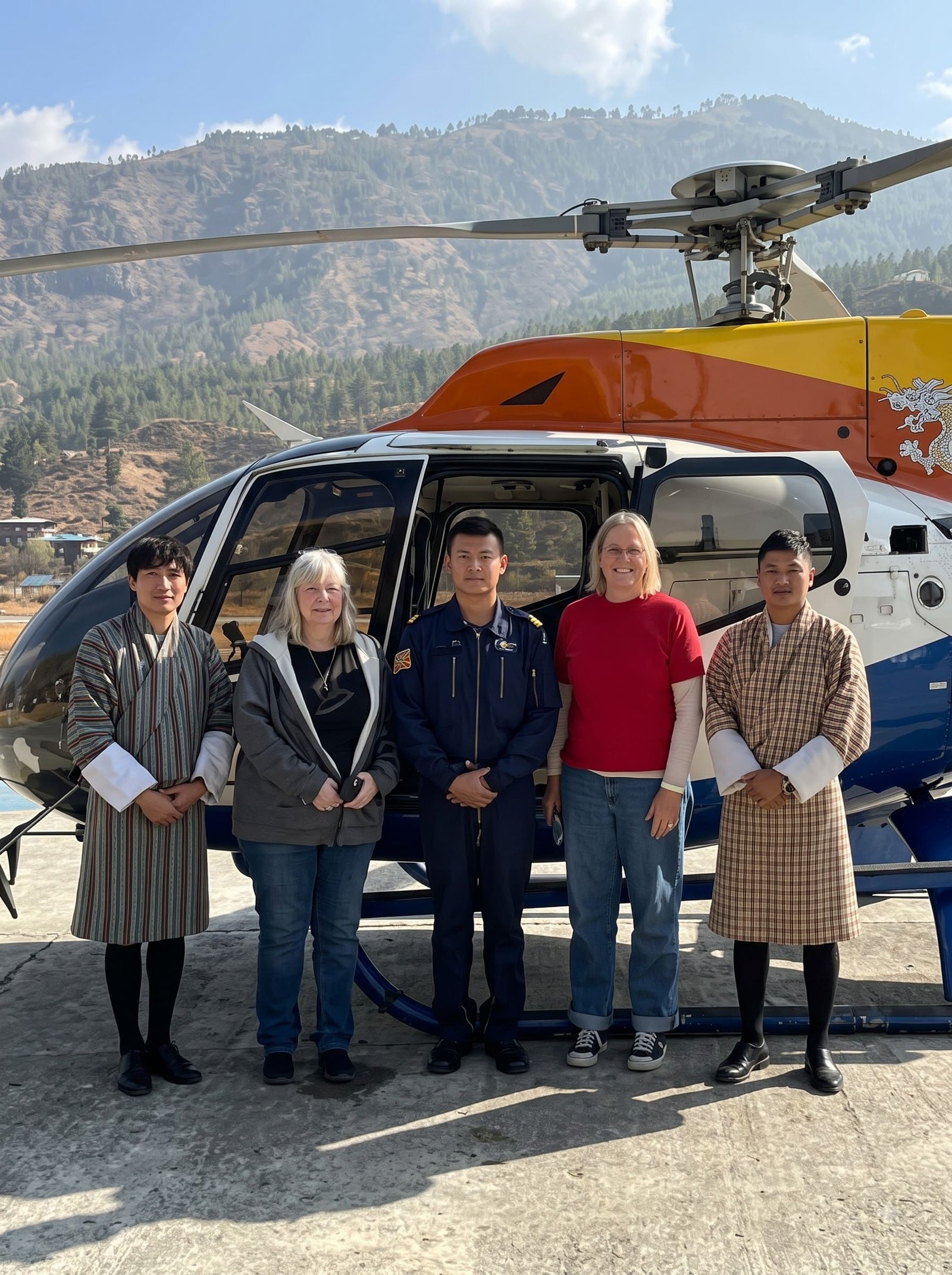
Western Classic Tour
7 Days6 Nights / 7 Days · Paro, Thimphu and Punakha
Made for: a first cultural tour at the classic western pace
- Tiger's Nest hiked before the mid-morning crowds
- Dochula's 108 chortens with the skyline out front
- Riverside Punakha Dzong, reached by suspension bridge
- Farmhouse lunch folded into the valley day
Best for: travelers who want the classic western rhythm on their first tour.
See the day-by-day plan

Central Heartland Tour
13 Days12 Nights / 13 Days · Paro · Thimphu · Punakha, then Phobjikha · Trongsa · Bumthang
Made for: repeat visitors and travelers set on dzong country
- Two full days in temple-dense Bumthang
- Trongsa dzong seen first across the gorge
- Crane country and the Gangtey trail at Phobjikha
- Dochula and Pele La in one crossing sequence
Best for: dzong country and valley cultures — one long trip instead of two.
See the day-by-day plan
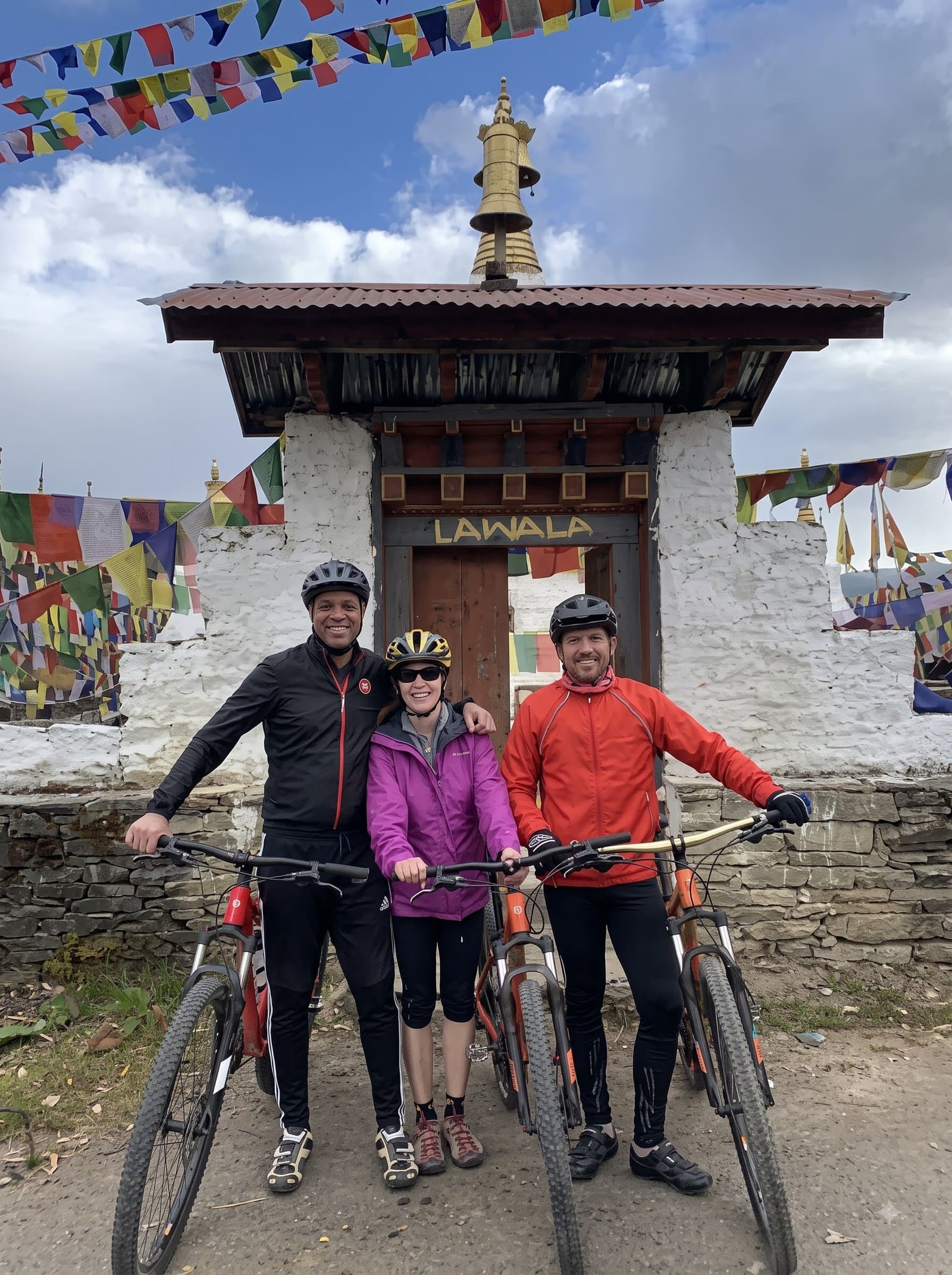
Festival-Date Tour
8 Days7 Nights / 8 Days · Paro · Thimphu · Punakha, timed to a Tshechu
Made for: travelers who anchor trips to festival dates
- A full Tshechu day in the dzong courtyard
- Masked dances watched from real seating
- Tiger's Nest bookending the ceremony days
- Punakha's river valley once the crowds thin
Best for: color, ceremony and a route built backward from festival dates.
See the day-by-day plan
None of these cards is a fixed product. Tell us which region pulls you, which style matches your energy and when you can travel — the route, the nights and the touring pace get redrawn into a written itinerary before anything is confirmed.

When Each Region Tours Best
The calendar treats regions differently: festival windows, crane season and monsoon access each pull their own month. The bars track clarity; the notes track what each region is doing.
Regions through the calendar
Bar height = sky clarity; the notes tell you which region is having its moment
Notice how the center and the west peak differently: the west fills when skies are clearest, while the central valleys add crane season and festival windows of their own. If your dates are fixed, let the calendar choose your region — it is a better matchmaker than any brochure.
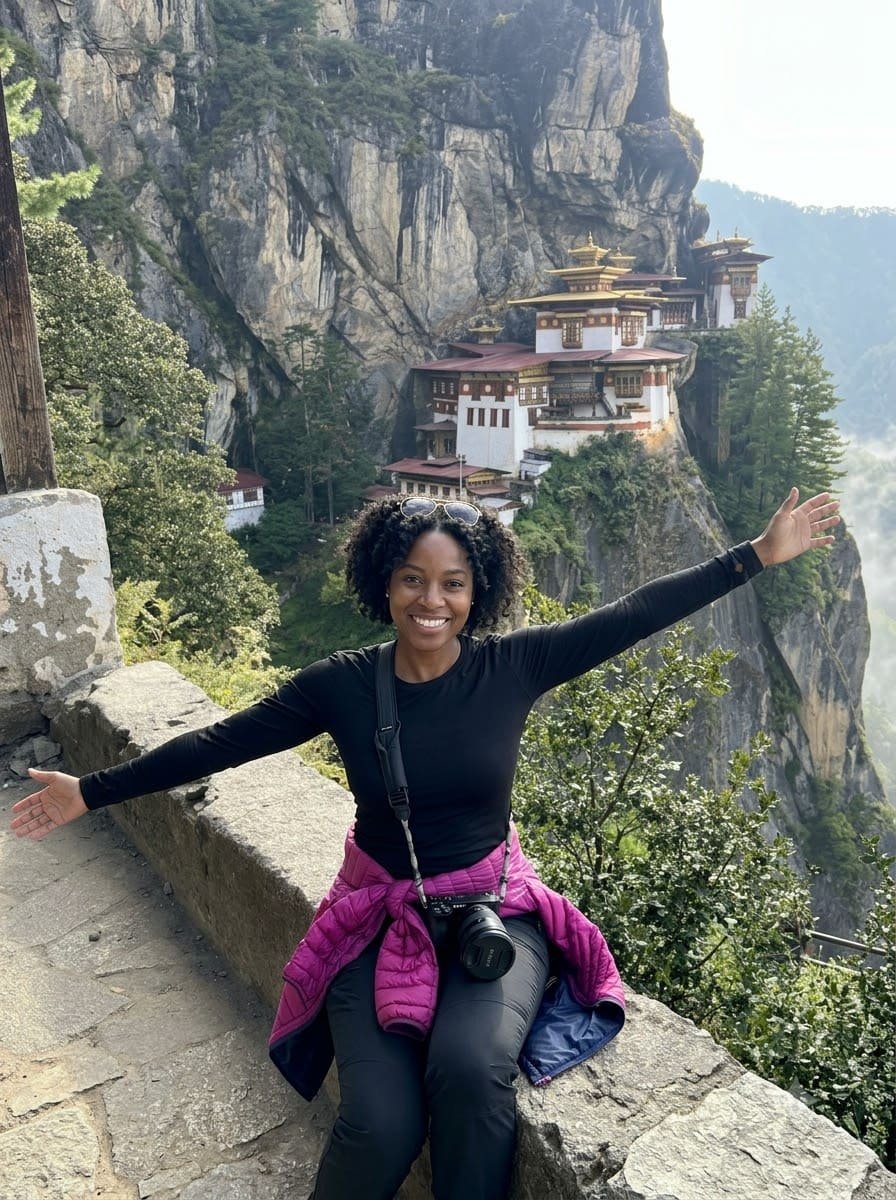
What a Bhutan Tour Covers on the Road
However the regions and styles recombine, the touring machine underneath stays constant. Here is what rides along, and what stays yours to arrange.
Inclusions
- Accommodation named for every night of the route
- A government-licensed guide with the party daily
- A private vehicle and dedicated driver throughout
- Full board: breakfast, lunch and dinner
- eVisa filing and Route Permit arrangements
- The nightly Sustainable Development Fee at the government rate
- Paro airport transfers at both ends
- Bottled water and packed lunches on drive days
- Entry tickets for sites on the agreed itinerary
Exclusions
- International flights to and from the gateway hub
- The regional airfare to Paro
- Travel insurance with evacuation cover
- Alcoholic drinks and personal spending
- Gratuities for guide and driver, at your discretion
- Extra nights forced by weather-disrupted flights
Documents for a Multi-Region Tour
Add regions and you add checkpoints — the paperwork bag matters more the farther you roam. Six items cover it; five come from your operator, one from your insurer.
- Passport: valid six months beyond your return date, with blank pages for stamps.
- eVisa approval copy: filed by the operator; carry a printout for the Paro immigration desk.
- SDF and visa receipts: fee payments leave a paper trail — keep copies handy for checks.
- Route Permit: required for every valley beyond Paro and Thimphu; your guide carries the original.
- Insurance certificate: shared with the operator before high-pass and long-drive days.
- Signed itinerary copy: the route you agreed to, useful when a checkpoint asks where you are going.
Insurance for the long drives. The central and eastern legs put you hours from a major hospital, so the policy you buy should explicitly name medical evacuation from remote areas — not merely hospital treatment. Share the certificate with your operator before departure and carry a printed copy; checkpoints and clinics alike ask for documents, not apps.
Touring Bhutan is less about covering ground than matching a rhythm — the region sets the road, the style sets the pace.
Tips for Touring Bhutan Well
Six habits that separate smooth tours from dented ones — none of them costs more than attention.
Ramp the altitude
Land moderate, climb gradually: the western valleys sit high but manageable, and the big passes come later. Keep the first two days easy and the rest of the tour pays you back.
Respect drive days
Treat a long drive as the day's headline, not its penalty. Mornings start early, stops come when the view earns them, and arrival feels like an achievement instead of a delay.
Anchor festivals first
If a Tshechu matters to you, fix those dates before anything else — rooms near the host dzong and Paro flight seats both follow the festival calendar.
Mind photo etiquette
Ask before photographing people, and check inside dzongs and temples before raising a camera — some courtyards allow it, most inner chapels do not.
Plan cash, not cards
Cards work in the bigger towns; the valleys prefer notes. Carry smaller denominations from Thimphu for roadside tea, handicrafts and tips.
Pack in layers
Mornings frost, middays bake and pass winds cut through everything. Layers beat bulk — one warm jacket, one sun hat, and shoes already broken in.
Frequently Asked Questions: Touring Bhutan
Which region should a first tour cover?
The west: Paro, Thimphu and Punakha. The drives are short, the altitude ramp is gentle, and the headliners — Tiger's Nest, Dochula, the riverside dzong — all sit within easy range. It leaves the central valleys as a reason to return rather than a stretch for a first week.
Can you tour eastern Bhutan?
Yes, and it is a genuine adventure — Mongar, Lhuentse and Trashi Yangtse see a fraction of the visitors the west does. The tradeoff is road time: reaching the east means days of driving beyond Bumthang, so most travelers pair it with a long itinerary or an eastern exit, and treat it as a second or third trip.
Are self-drive tours possible?
No — visitors do not drive themselves in Bhutan. Every tour travels with a licensed guide and a vehicle with its own driver, arranged through your operator. It sounds restrictive until you meet the switchbacks; then it sounds like sanity.
Do tours run during festivals only?
Not at all. Festivals are anchors, not seasons — tours run every month of the year, and a Tshechu is one reason among many to pick a date. If you want the masked dances, build the route backward from the festival; if you do not, avoid the host towns' busiest weeks and travel lighter.
Which region is best for photography?
Photographers argue about this constantly. The west offers icons and access, the center offers crane country, gorges and temple interiors, and the east offers textures almost nobody else is shooting. If light matters more than subjects, the central loop in late autumn is hard to beat.
How long are the drives between regions, really?
Longer than the map suggests. Paro to Thimphu is an easy warm-up, Thimphu to Punakha takes half a day over the pass, and Punakha to Phobjikha or Trongsa eats most of a morning and afternoon. Plan drives as the day's main event, with stops built in rather than stolen from it.
How do tours handle altitude?
By sequencing. Itineraries start in the moderate western valleys, keep early days gentle, and reach the high passes only after your body has settled. Guides watch for headaches and fatigue, carry the pace decisions, and can flatten a day instantly if someone struggles. Hydration and slow mornings do the rest.
Can regions be combined into one tour?
Yes — that is exactly what a two-week central journey does, chaining the western valleys to Phobjikha, Trongsa and Bumthang. Eastern loops combine too, but they push past two weeks or demand long return drives. Combining works best when you protect the buffer days that make the joins safe.
Ready to Tour Bhutan by Region and Style?
Tell us which region pulls you, how you like to travel and when you can get away. Druk Yul Journeys will return a written itinerary — region, route, style and pacing named — with the government-set fees confirmed in writing, and no deposit needed to start the conversation.