

Short trips to Bhutan fail in a predictable way: everything gets scheduled, nothing gets savored, and the traveler lands home needing a vacation from the vacation. The fix is ruthless prioritization. Bhutan is small, but its valleys fold over each other, and every addition to an itinerary costs drive time you have not budgeted. So think in tiers, not checklists. Tier one holds the places that justify the flight — protect them absolutely. Tier two holds the strong seconds that deepen a week without wrecking it. Tier three is the country's reward for coming long or coming back. This page walks all three, then gets honest about tradeoffs: what one more day buys, what to cut first, and which of the places to see in Bhutan can quietly wait for trip number two. The goal is a short trip that feels complete, not merely full.
Tier One: The Non-Negotiable Places to See in Bhutan
These four justify the airfare on their own, and a short itinerary protects them before anything else gets a vote. Each one below is ranked by what it contributes to a first visit — not by fame, which they all have anyway.
Tiger's Nest
The trip's spine. Half a day of switchbacks ends at a monastery doing the impossible with complete calm, and the descent gives you an hour to process it. Everything else on a short itinerary arranges itself around this morning.
Punakha Dzong
The most beautiful room in the country, entered over a wooden bridge at the meeting of two rivers. Give it a long afternoon — courtyards, temple, jacarandas — and it becomes the standard every other fortress is judged against.
Dochula Pass
The Himalaya postcard, strung with 108 memorial chortens. It costs nothing but a clear morning on the drive between valleys, which makes it the highest-value hour in Bhutanese sightseeing. Weather permitting — and it usually permits in season.
Thimphu's pair
Buddha Dordenma on the ridge and Tashichho Dzong in the capital's gardens, best split across an afternoon and a morning. Together they give a short trip its one full taste of the capital without spending a second night.
Tier one assumes the classic western route, and that is not laziness. The corridor exists precisely because these places justify the flight. A short trip that misses any one of the four has not really visited Bhutan yet — which is why the plans below treat them as fixed points and let everything else flex around them.
Tier Two: The Strong Seconds
Tier two is where a short trip gains character. None of these four is optional in any absolute sense — but each one deepens the week noticeably, and each asks for something different: a night, a morning, or merely an hour.
Phobjikha Valley
Silence and winter cranes in a broad glacial bowl. It costs a night to reach properly, which is exactly why it sits above the line — the quiet here is a different category from the quiet everywhere else.
Chimi Lhakhang
The walk through rice fields is the attraction; the fertility temple is the destination. Half a morning, flat terrain, village lanes, and a story your guide will relish telling. Pairs perfectly with a Punakha day.
Kyichu Lhakhang
Old timber, orange trees and butter lamps in one of the kingdom's oldest temples, minutes from Paro town. It slots into any itinerary's margins and gives them a stillness the bigger sights cannot.
Thimphu's weekend market
Local color in season: produce, cheese wheels, fabrics and unhurried people-watching. If your dates cross a weekend morning, it is the easiest upgrade in the country — and it costs only an hour or two.
Tier Three: Places to See in Bhutan on Longer Trips
Tier three is not a consolation prize; it is the part of the country that needs room to breathe. These four earn their places when days allow — and they are exactly what a second trip is built from.
Trongsa Dzong
The gorge fortress that gated the road east for centuries, stacked above a river bend that explains its whole strategic story in one view. It earns its place when days allow — and demands them honestly.
Bumthang's temples
The spiritual heartland: four valleys of temples, butter lamps and farmhouse evenings. The country's deepest atmosphere lives here, a full drive past Trongsa — which is why it belongs to longer trips.
Haa Valley
The quiet road south of Paro, over a pass and down into a small valley that tourism mostly forgot. A day loop rather than a commitment, and a fine second-visit staple.
Chele La
The high viewpoint above Paro, where prayer flags strain against wind and the peaks line up on clear days. Weather-gated, morning-only, and worth every switchback of the climb.
What One More Day Actually Buys
Extra days are currency, and it helps to know the exchange rate before you spend them. Five rows, from nothing extra to four-plus — each one an honest account of what the days purchase.
The exchange rate on extra days
What each additional day converts into, places-wise
A second Paro morning and no rush at the hike — the descent taken slowly, the teahouse lingered in, the afternoon genuinely free for once.
Phobjikha's valley floor, reached properly: rim trails, the ridge monastery, and one long silence of an evening that changes the trip's tempo entirely.
Trongsa's gorge country and the road east — the fortress visited in the late light, the drive broken kindly, and the map suddenly bigger.
Bumthang and the central heartland: temple valleys, farmhouse evenings and the sense of having crossed the country rather than sampled it.
A tighter first tier, done well — fewer places, longer visits, and a trip that ends rested. A short itinerary is not a lesser one.
What to Cut First, If You Must
Sometimes the calendar wins, and cuts have to happen. Make them in this order and the trip keeps its spine; make them at random and you will remember the trip by what you missed.
- Cut sights, not the hikeWhen days shrink, duplicate sights go first — the second market, the third museum. The monastery climb never moves, never compresses, and never shares a morning with a drive.
- Keep two-night minimums where possibleOne-night stops turn valleys into corridors. Two nights buys a settled evening and a morning that starts without repacking, which is half the point of being there.
- Trade museum hours for valley walksIndoors can wait; the terraces and village lanes cannot. On a short trip, walking a valley floor teaches more than any gallery and photographs better too.
- Skip the second market, keep the farmhouse lunchMarkets repeat themselves between towns; a farmhouse lunch does not. The meal is the culture, the seating is the view, and the hostess is the exhibit.
- Never cut the return bufferThe last day before the flight needs slack for weather, passes and repacking. Schedules that ignore this meet the departures hall in a sweat, and the plane does not wait.
Notice the pattern: cuts fall on categories, not on anchors. A short Bhutan trip loses breadth, never spine. If the list above still will not fit the calendar, the honest move is a longer trip — Bhutan does not reward speeding up, only slowing down.
The nightly visitor fee applies per night regardless of itinerary, so every place you cut does trim the budget — but the rate is set by the government and revised periodically, and this page prints no figures. Confirm the current fee and the one-time visa rate in writing with your operator before weighing cuts against cost.
Short-Trip Plans That Still Deliver
Three short-trip plans built on the tier logic above. All run through a licensed operator with guide, vehicle and permits handled — and all of them protect the hike absolutely, because a Bhutan week without it is a pamphlet.
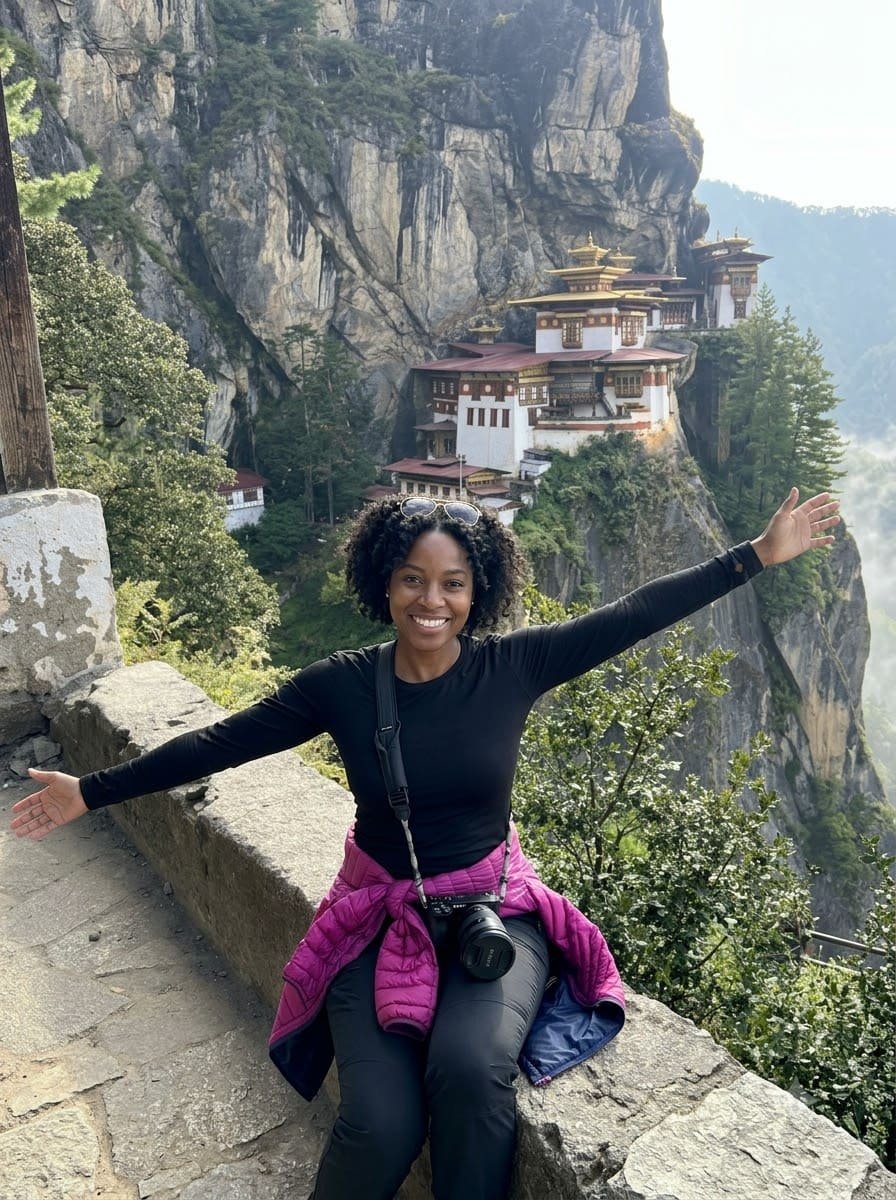
Maximum-Impact Week
7 Days6 Nights / 7 Days · the tier-one run: Paro, Thimphu, Punakha
Ideal for: one week off, spent without compromise
- Every tier-one place, with no shortcuts on the hike
- The capital's pair split across two halves of a day
- Dochula crossed in morning light both directions
- A written itinerary with drive times per leg
Best for: every tier-one place in a single week — the shortest plan that still treats the country like a destination rather than a stopover.
See the day-by-day plan

The Unhurried Eight-Day
8 Days7 Nights / 8 Days · tier one, taken slowly
Ideal for: a gentler pace with real evenings
- Tier one complete, with a second night in the capital
- The weekend market kept if the dates allow it
- Evenings that end early and well, not in repacking
- The farmhouse lunch protected as a fixed point
Best for: tier one plus real evenings — the same must-sees as the week plan, with the pace of a traveler rather than a checklist.
See the day-by-day plan
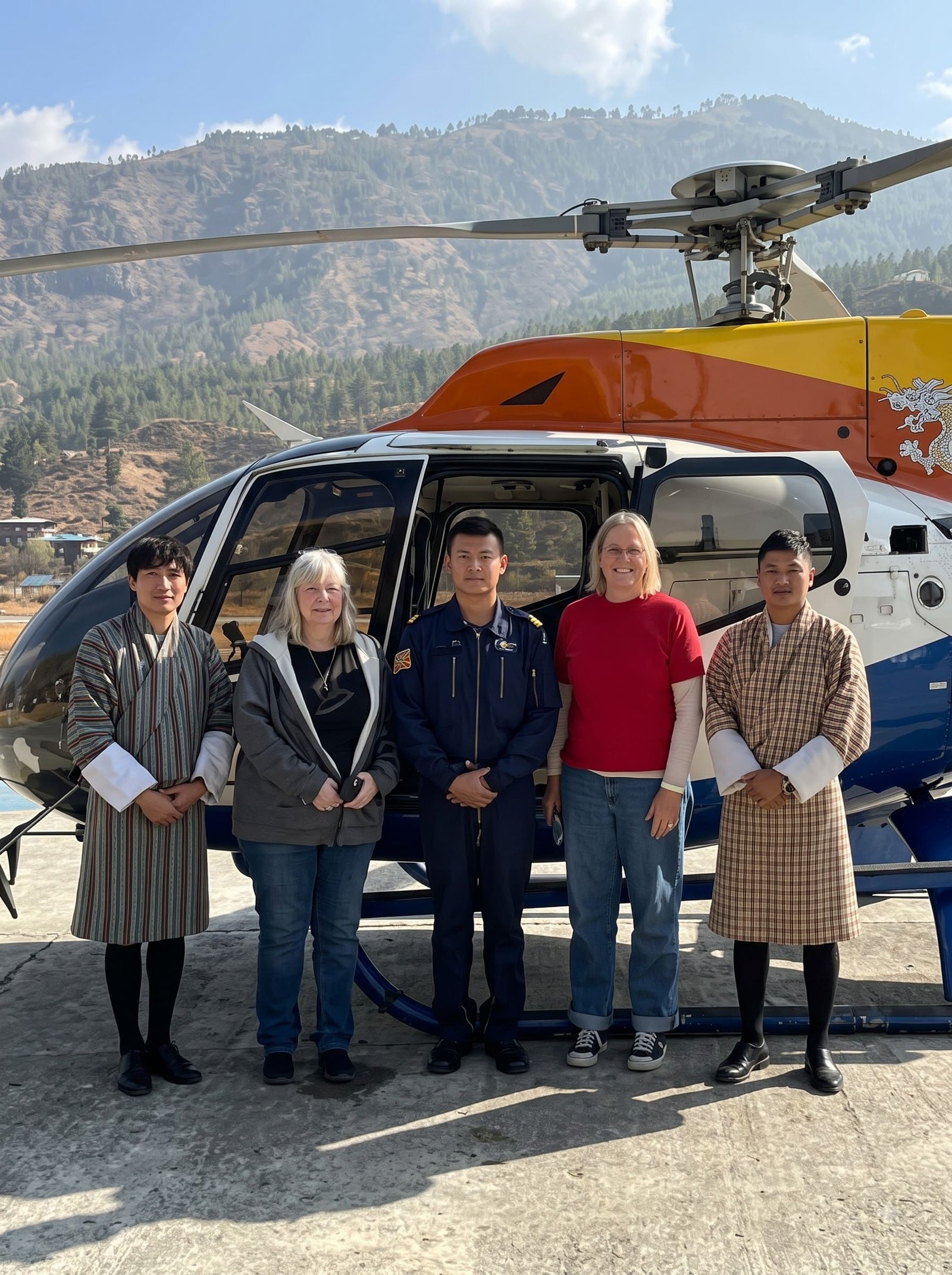
Western Full Sweep
10 Days9 Nights / 10 Days · tier one plus Phobjikha
Ideal for: tier one plus the best of tier two
- The full first ring plus the crane valley
- Two nights of genuine valley silence
- The fertility temple walk folded into a Punakha day
- Season tuned to cranes, blooms or clear passes
Best for: the valley silence done properly — the short trip that adds Phobjikha's night and returns home with a different kind of memory.
See the day-by-day plan
Plans above bend — a day can move, a night can slide, and the tiers can rebalance around a festival date. Share your travel window and headcount, and a travel designer will return a written itinerary with the government-set fee confirmed in writing.
Seasons Reshuffle the Tiers
Tiers are seasonal instruments. The first tier holds all year; the second and third climb and fall with the cranes, the festivals and the clouds. The bars show sky clarity and booking pressure by month; the notes reshuffle the rankings for you.
Tier conditions, by month
Higher bar = clearer skies — and fuller lodges
Two seasonal levers matter most for short trips. Clear-sky months make the passes reliable, which quietly upgrades the drive days into sightseeing. Festival months fill the courtyards and the hotel calendars at once. If your window catches neither, do not panic — the hike and the riverside fortress do not read calendars.
What a Short-Trip Booking Covers
A short trip amplifies every logistics decision, so the inclusions line deserves a slow read. The grid below is the typical boundary on a compressed itinerary — match your written quote against it line by line.
Inclusions
- Accommodation for every night of the compressed plan
- A licensed guide keeping the short itinerary honest
- Private vehicle and driver, sized to your group
- Visa filing and clearance processing
- The nightly Sustainable Development Fee at the government-set rate
- All route permits for the valleys on the plan
- Paro transfers at both ends of the trip
- Full-board meals, with the farmhouse lunch protected
- Monument entry for every tier-one sight on the route
Exclusions
- Flights to the Asian hub, and the Paro air tickets themselves
- Travel insurance, including medical evacuation cover
- Personal spending: textiles, stamps, espresso
- Bar drinks beyond the meal table
- Gratuities for guide and driver, given personally
- Weather-forced changes: extra nights, rerouted days
Documents for a Tight Itinerary
A tight itinerary has no room for paperwork hunts. Six documents, gathered before departure, keep every checkpoint and dzong door moving at short-trip speed.
- Passport: valid well beyond the trip — every day counts, so leave no room for renewal scrambles.
- Visa approval letter: the printed clearance for Paro immigration, kept with the passport it belongs to.
- Fee confirmations: the government-set visa and nightly fee at current rates, in writing — the nightly part is exactly why compressed itineraries deserve care.
- Insurance summary: printed, evacuation named, emergency number on the cover.
- Route permit confirmations: arranged ahead for anywhere beyond Thimphu and Paro; short trips cannot absorb permit delays.
- One-page itinerary: nights, hotels and drive times — the document that keeps a tight plan tight.
Short trips compress effort into fewer days, and the body notices. The hike, the passes and the long drives all land within the same week — hydrate, keep the first evening empty, and get a doctor's nod if you manage blood pressure or altitude-sensitive conditions. Compression is a schedule choice, not a fitness test.
Short trips to Bhutan are not about seeing less — they are about protecting the few places that make the flight make sense.
Triage Tips for Short-Trip Planners
Six triage habits for travelers working with a narrow window. Between them they save whole days — without cutting a single thing you would actually remember.
Climb on day two
The monastery hike belongs on the first full morning, when jet lag still wakes you early and the schedule has slack to absorb a tired afternoon afterwards.
Two nights where you can
Every two-night stop buys a settled evening and a calm morning. On short trips they are scarce — spend them where the silence is, not where the shops are.
One pass, not three
The high roads are weather bets, and a short trip cannot afford losing days to fog. Pick the pass your route already crosses and let it shine.
Cash and cards sorted
Towns take cards; villages do not. Sort small notes before leaving Thimphu and the farmhouse lunches and roadside stalls stay painless.
Lunch is the experience
On compressed days the farmhouse lunch carries the culture — book it, protect it, and let the afternoon's sight be the walk that follows it.
Protect the last morning
Flights leave early and passes occasionally sulk. Keep the final night in Paro, the final morning empty, and the departure boring — which is a compliment.
Frequently Asked Questions: Places to See in Bhutan
What is the minimum trip that works?
Five nights is the honest floor: two in Paro with the hike, one in Thimphu, and two in Punakha, with the drive days doing their quiet work between. Four nights can technically close, but it forces the first day to carry sightseeing it has no business carrying. A week lets the tiers breathe.
Can I skip Thimphu?
You can, though it costs more than it saves — the capital sits on the road to Punakha anyway, so skipping it usually means a longer driving day rather than a saved night. What you can do is trim Thimphu to its essentials: the Buddha viewpoint, the dzong, and dinner. Half a day, honestly spent.
Is Tiger's Nest really unmissable?
Yes, and this page's whole ranking would collapse if it were not. The hike is the country's spine: half a day of effort that ends at a building doing the impossible, calmly. Every other place on this list can be traded; the climb cannot. Cut nights elsewhere before you cut it.
What should I drop first?
Second visits to the same category — a second market, a second museum, the third fortress of the week. Travelers protect experiences by cutting duplicates, never by shaving the anchor sights or the farmhouse lunch. When in doubt, drop the item that costs a night and keep the ones that cost an hour.
Which places to see in Bhutan suit kids?
The festival courtyards, the archery grounds, the Buddha viewpoint and the long suspension bridge at Punakha all work for children without special effort. The monastery hike suits school-age walkers started early and paced gently. Fortresses hold young attention best with a storyteller guide rather than a dates-and-kings one.
Is a one-day Paro visit possible?
Technically, in the way a sprint is technically a run. With a morning arrival, a day trip can reach the viewpoint or the dzong, but the monastery climb needs a full day, and flight schedules rarely hand you two. Treat one-day visits as what they are: a preview that books a real trip.
Do the best places to see in Bhutan change by season?
The first tier holds all year; the second and third reshuffle. Crane season lifts Phobjikha near the top of the list in winter, festival months raise the courtyards, and the monsoon quietly promotes museums and markets over passes. Ask your operator which season you are actually planning for before locking tiers.
What do repeat visitors add?
Depth, and the east. Return trips trade the western headlines for Phobjikha's trails, Haa's quiet road, and eventually the long run to Bumthang and beyond. The tiers on this page are built for first visits precisely because the country rewards a second one — the ranking relaxes once the non-negotiables are already seen.
Ready to Lock In the Places That Matter?
Send a travel designer your window, headcount and the tiers above you refuse to compromise — the written itinerary comes back with the hike protected, the passes bet on clear mornings, and the government-set fee confirmed in writing before any deposit is mentioned.