

Most advice about how to travel to Bhutan makes the trip sound harder than it is. In practice the whole thing runs on sequence: three rules shape everything, one licensed operator files what needs filing, and your flights slot in only after your clearance arrives. Get the order right — rules, operator, itinerary, eVisa, clearance, flights, packing — and the process feels almost administrative, which is precisely what you want from a country on the far side of the planet. This page walks the entire journey in the order it actually happens, from checking the entry rules against your passport to the morning you walk into Paro's small arrivals hall, so nothing about the process surprises you on the day.
The Three Rules That Shape Everything
Bhutan's tourism model is unusual, and it explains nearly every step that follows. Visits run through licensed Bhutanese operators, a guide and private vehicle come as standard, and a nightly government fee applies to non-regional visitors. Understand these three — plus the airline rule they trigger — and the rest of the process is logistics.
Visits run through operators
Every non-regional visitor books through a licensed Bhutanese operator or their overseas partner. It is not a sales tactic — the license is what allows your visa application to be filed and the route permits for your itinerary to be arranged.
A guide comes standard
A licensed guide and a private vehicle accompany you for the whole trip. The upside is underrated: doors open, detours happen, and nobody is decoding a foreign bus timetable on their vacation.
The nightly fee applies
Non-regional visitors pay the Sustainable Development Fee for every night in the country. It funds healthcare, education and conservation, and it is built into your package rather than paid in fragments along the road.
Clearance before tickets
The two airlines that fly to Paro will not issue a ticket until your visa clearance lands. That single fact dictates the order of everything else on this page — which is why flights come late in the sequence, not early.
About the fee, honestly. The nightly Sustainable Development Fee and the one-time visa fee are set by Bhutan's government and revised periodically, so no page should print a figure that could be stale by next month — this one does not. Ask your operator to confirm both rates in writing for your travel dates before you pay anything; a written quote is the only version worth having.
The Process: How to Travel to Bhutan, Start to Finish
Here is the whole journey as a sequence. Some steps overlap — your operator can shape an itinerary while you check passport dates — but none of them can jump the queue, because each one unlocks the next.
- Check the rules against your nationalityMost passports need the eVisa and the nightly fee; Indian, Bangladeshi and Maldivian nationals travel under different arrangements. Confirm which side of that line you stand on before anything else.
- Choose a licensed operatorPick a Bhutanese operator, or an overseas partner working with one. Read recent traveler feedback, ask sharp questions, and judge them on how clearly they answer — the writing sample is the interview.
- Shape the itinerary in writingDays, valleys, pace and festival dates, agreed over email. A written itinerary is your reference for everything that follows, so make it specific before you go further.
- File the eVisa through your operatorYour operator submits your passport details, a photo and the itinerary into Bhutan's online visa system. You supply scans; they handle the filing.
- Wait for clearanceApproval typically arrives within a couple of weeks. Until it does, nothing downstream — flights, final payments, hotel confirmations — can properly lock.
- Book the Paro flights, then the international legsDrukair and Bhutan Airlines release tickets once clearance is in hand. Book the Paro sector first, then build your long-haul routing to meet it.
- Prep, pack, flyInsurance that names medical evacuation, layered clothing, cash for the valleys, and copies of your clearance and receipts. Then fly — the hard part ended two steps ago.
Two things about this sequence are worth internalizing. First, the operator does the heavy filing — most travelers spend less than an hour on their portion of the paperwork, mostly sending scans. Second, the sequence doubles as a scheduling tool: work backward from your travel dates, give clearance a couple of weeks, and you will know exactly when each step needs to start.
Insurance is not a legal entry rule — carry it anyway. No officer will ask for a policy at Paro, but hospital care outside Thimphu is limited and a mountain evacuation is the kind of expense nobody wants to discover uninsured. A policy that explicitly names medical evacuation is the smart traveler's baseline for this trip; check the wording, not just the brochure.
Flying In: Routing Realities
The flight into Bhutan is the part of the process that most surprises first-time planners, so it deserves its own honesty. Paro is the country's only international airport, two carriers fly there, and neither approaches from North America. What that means in practice:
Routing realities, in one table
What every first-time planner learns about Paro flights
Every traveler from the US connects through a hub first. Treat the connection as part of the trip rather than an obstacle — some of these stopovers are worth a night.
Each hub has its own flight frequency and pairing logic. Bangkok tends to offer the widest schedule; the others suit specific routings and side trips.
The valley is calmest early in the day, so schedules bunch departures and landings into morning windows. Afternoons are for the drives that follow.
Mountain weather occasionally delays the Paro sector. A spare half-day on either end converts a delay from crisis into anecdote — book the tight connection at your own risk.
You cannot hold a Paro seat before your visa clearance arrives. It feels backwards the first time; it is simply how the system keeps order.
Money, Manners and Mindset
These are the practical details that never make the itinerary: how you pay for things, how you behave inside sacred places, and the pace adjustment that catches almost everyone. Six notes worth more than the space they take.
Cash beyond the towns
ATMs thin out fast once you leave Thimphu and Paro. Carry enough local currency for valley stalls, roadside tea and small purchases — your guide will point out the reliable machines before you leave the cities.
Cards work in the cities
Hotels and larger shops in Thimphu and Paro take cards, and the Ngultrum moves at parity with the Indian Rupee. Connectivity decides more than signage does, though — treat card acceptance as a bonus, not a plan.
Dress for the dzongs
Shoulders and knees covered inside fortresses and temples, hats off in the courtyards. A light long-sleeve layer over a T-shirt solves most of it without a second thought.
Walk clockwise
Chortens, mani walls and temple interiors are circled clockwise. Follow the flow and you will never go wrong; your guide will nudge you the first couple of times anyway.
Ask before portraits
People are generally happy to be photographed when asked first. A gesture toward the camera and a smile earns a nod more often than not — and better pictures than surprise ever will.
Let time move slowly
Bhutan runs on its own clock, and days end early. Match the rhythm for a week and most travelers report sleeping better than they have in years — resistance is the only real jet lag.
Trips That Follow This Exact Process
These three itineraries are built by the same sequence this page describes — clearance first, flights second, and a plan that respects both. They run the western spine at three lengths, and each adapts to whatever your process timeline produces.
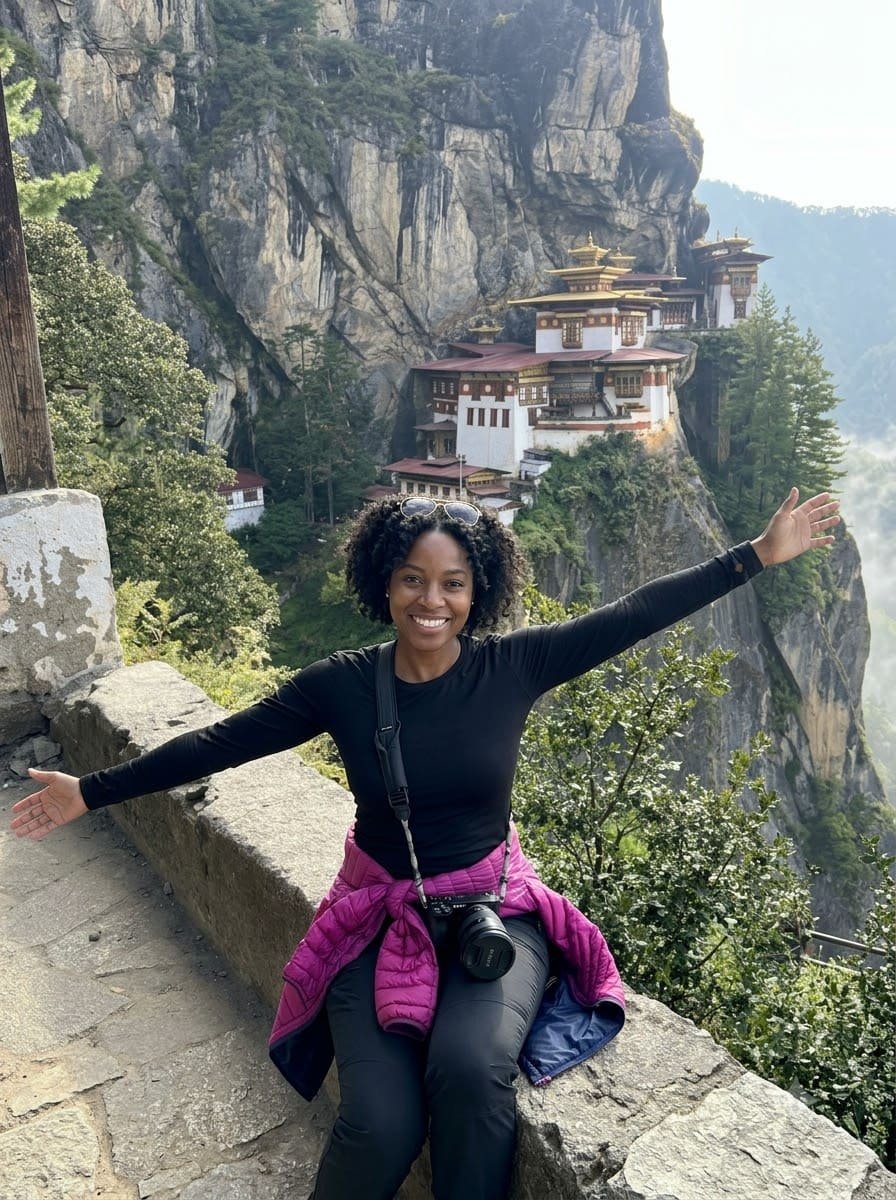
The Process-Tested Classic
7 Days6 Nights / 7 Days · Paro-Thimphu-Punakha
Ideal for: a first run-through of the whole sequence, on one clean week
- The shortest itinerary that still respects the full entry sequence
- Tiger's Nest on the first full morning, legs and weather fresh
- Two nights in Punakha, the warmest valley on the route
- A final Paro night timed to the morning departure window
Best for: the shortest trip that respects the sequence — one week, every rule honored, no rushing.
See the day-by-day plan
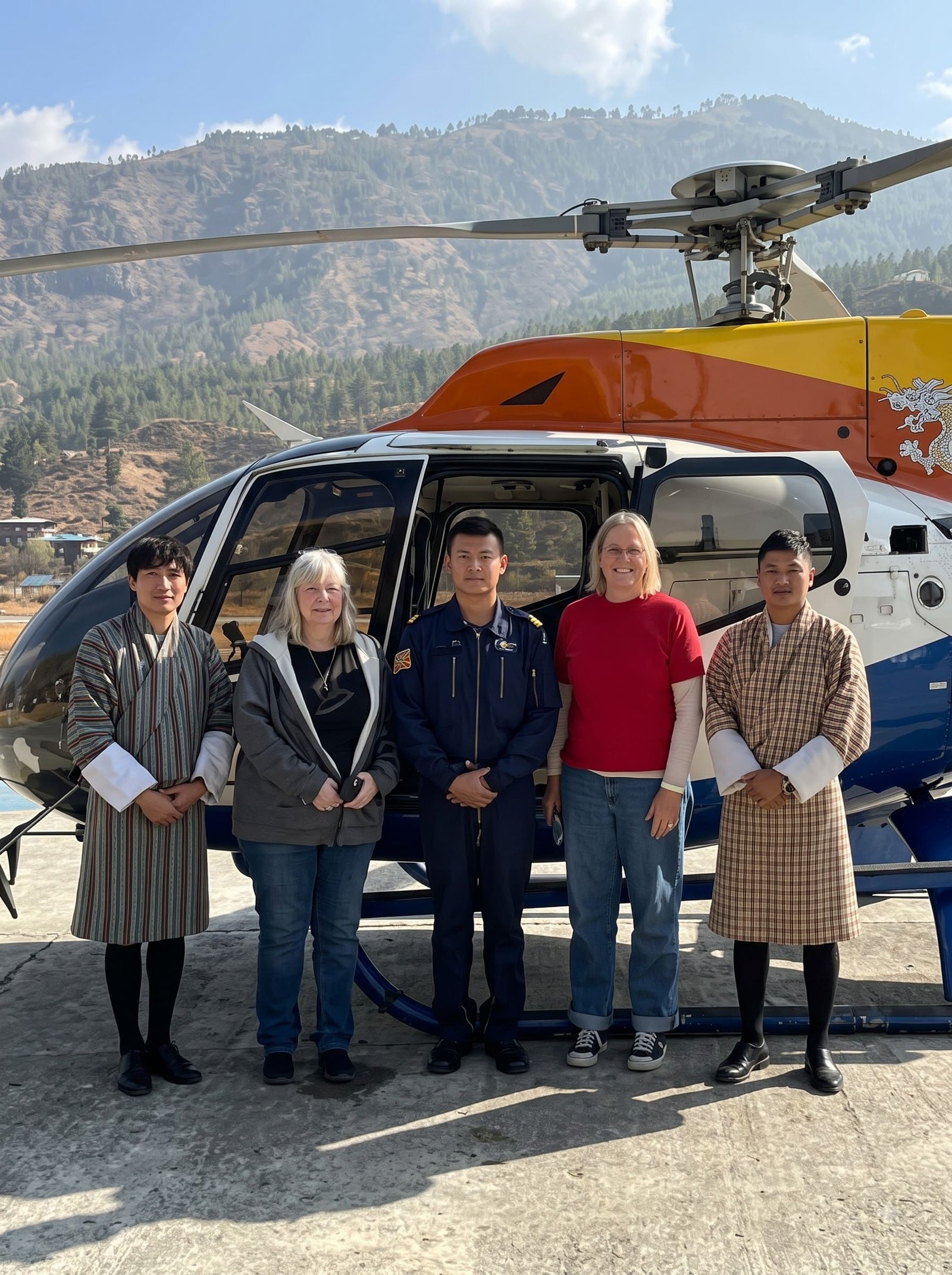
The Process-Tested Slow
10 Days9 Nights / 10 Days · Paro-Thimphu-Punakha-Phobjikha
Ideal for: unhurried first trips with room for the crane valley
- The same sequence with two extra nights folded into the valleys
- A full day inside Thimphu — dzong, preserve, craft studios
- Two nights in Phobjikha, with the crane centre in season
- The long drive home split across a gentle final day
Best for: sequence plus breathing room — for travelers who like the idea of the process more than the deadline.
See the day-by-day plan

The Process-Tested Central
13 Days12 Nights / 13 Days · Paro-Thimphu-Punakha-Phobjikha-Trongsa-Bumthang
Ideal for: confident planners who started the sequence early
- The whole country, for planners who finished every step early
- Trongsa Dzong above its gorge, and Bumthang's oldest temples
- The return drive split across two days, as the roads deserve
- A trip long enough to justify every hour of the long-haul flight
Best for: the whole country in one well-sequenced trip — the reward for starting the process early.
See the day-by-day plan
All three cards assume the sequence on this page has already run its course — clearance in hand, flights issued. If your timeline is tighter, send your travel designer the dates you have and they will tell you honestly which of the three still fits, in writing, before anything is confirmed.
Timing the Process by Season
The process itself never changes, but its speed does. Peak months compress everything — clearance queues, flight seats, hotel rooms — while shoulder months give each step room to breathe. Here is the year from a booking-lead perspective.
Weather & booking pressure, by month
Higher bar = more competition for seats and rooms — and a longer lead time
Translate this into process terms: in the quiet months, a few weeks of lead time usually covers clearance and ticketing comfortably; in October, April and the festival weeks, double it and thank yourself later. The sequence never changes — only the amount of calendar each step needs.
What the Package Covers
The sequence ends in a package, and the package has a shape. Because every trip runs through a licensed operator under Bhutan's tourism system, the core inclusions barely vary — what changes is the length of everything that scales by the day.
Inclusions
- Accommodation for every night, arrival through the final Paro evening
- A licensed guide accompanying you the entire route
- Private vehicle with driver for the full itinerary
- Visa clearance filing and all route permits
- The nightly Sustainable Development Fee at the current government rate
- Paro airport transfers on arrival and departure
- Full board — breakfast, lunch and dinner daily
- Drinking water through every drive
- At least one cultural experience, from archery to a hot-stone bath
Exclusions
- Long-haul flights from home and the regional Paro sector itself
- Alcoholic beverages and specialty drinks
- Entrance fees for museums beyond the itinerary list
- Travel insurance and personal expenses
- Optional add-ons such as trek permits, rafting or festival seating
- Costs arising from weather-delayed Paro flights or missed connections
The Documents, in Process Order
The paperwork for this process is short, and it maps neatly onto the steps above. Gather these while your operator runs the filing, and departure week will be boring — in the best possible way.
- Passport: valid six months beyond your return date — the one document every later step depends on.
- eVisa clearance printout: filed by your operator, stamped at Paro; carry a paper copy alongside your phone.
- Fee receipts: the visa fee and nightly Sustainable Development Fee, paid through your operator — keep the confirmation handy.
- Passport photos: a couple of spares per traveler for any form that asks.
- Insurance policy document: naming medical evacuation explicitly, with an offline copy saved.
A word on medical paperwork. Bring regular prescriptions in their original packaging, with a doctor's note for anything controlled, and pack them in your carry-on rather than the checked bag. Pharmacies in Thimphu cover the basics, but the specific brand your body expects may not be on the shelf — a small bag removes that risk entirely.
Traveling to Bhutan is a sequence, not a scramble — learn the order once and the country opens like a combination lock.
Process Tips from Repeat Travelers
A few habits make the sequence smoother, collected from travelers who have run this process more than once. None of them takes more than an afternoon. All of them pay off somewhere around departure week, when the organized and the optimistic part ways.
Start the calendar backward
Write your departure date first, then count backward: flights after clearance, clearance after filing, filing after itinerary. Working backward exposes the real start date immediately.
Keep one email thread
Run the whole process through a single thread with your operator. When you need the itinerary, the clearance or the receipt later, it is one search away.
Scan everything early
Passport bio page, photos, insurance — scan and send the lot in your first week. Operators stall most often waiting for traveler documents, not government ones.
Name your must-sees once
Tiger's Nest, a festival, a valley — list them in the first email. Itineraries built around stated priorities need fewer revisions later.
Book flexible long-haul legs
Since Paro tickets follow clearance, choose long-haul fares that tolerate a date shift. Mountain weather occasionally reshuffles the regional sector.
Confirm the final quote in writing
Package total, visa fee, nightly fee, what is excluded — one written summary before payment. Every trustworthy operator sends it without being asked twice.
Frequently Asked Questions: Traveling to Bhutan
Can I travel to Bhutan independently?
Not in the backpacking sense. Non-regional visitors arrange the trip through a licensed operator, and a guide accompanies you throughout — but within that frame you have full control over the itinerary, the pace and every valley on the route. It is independent travel with a logistics crew, which most travelers stop noticing by day two.
What is the easiest time of year to arrange?
The monsoon months, June through August, and the quieter winter weeks — demand is lower, so clearance, flights and rooms all confirm faster. The trade-off is weather: skies are cloudier and mountain views less reliable. If certainty of booking matters more than postcard weather, these windows reward you.
How long does the visa step take?
Clearance typically arrives within a couple of weeks of your operator filing the eVisa, though peak-season queues run longer. Until it lands, airlines will not issue Paro tickets, so treat the visa step as the trip's true starting gun — file as soon as your dates are firm.
When should flights be booked?
In this order: the Paro sector after clearance, the long-haul legs right after that. Booking the long-haul first risks a mismatch if clearance slips a week, while booking both in the same window keeps the routing honest. Peak months reward the fastest turnaround between the two.
Which route suits first visits?
The western circuit — Paro, Thimphu, Punakha — in six to seven nights, stretched to ten if Phobjikha appeals. It front-loads the country's headline sights, keeps drives short and gives the Tiger's Nest hike its best weather odds. Central Bhutan is better saved for a return trip with more days.
What should I pack early?
The unglamorous layers: broken-in walking shoes for the hike, a warm layer for valley mornings, sun protection for the altitude, and any prescription medication in original packaging. Everything else is purchasable in Thimphu — those four are the ones that ruin a day if missing.
Is insurance required?
Not by immigration — nobody asks for a policy at the airport. It is still the first thing experienced travelers buy for this trip, because hospital infrastructure outside Thimphu is limited and a medical evacuation is costly without coverage. Choose a policy that names medical evacuation explicitly.
How far ahead should the process start?
Give it four to six weeks in the quiet months, and two months or more for October, April and festival weeks, when clearance queues, flights and hotels all tighten at once. Starting early costs nothing; starting late narrows every choice the sequence controls.
Ready to Travel to Bhutan?
Send your target dates, headcount and departure city, and a travel designer will run the sequence with you — itinerary shaped first, clearance filed, flights slotted in after — with a written plan and a clear quote before any deposit.