
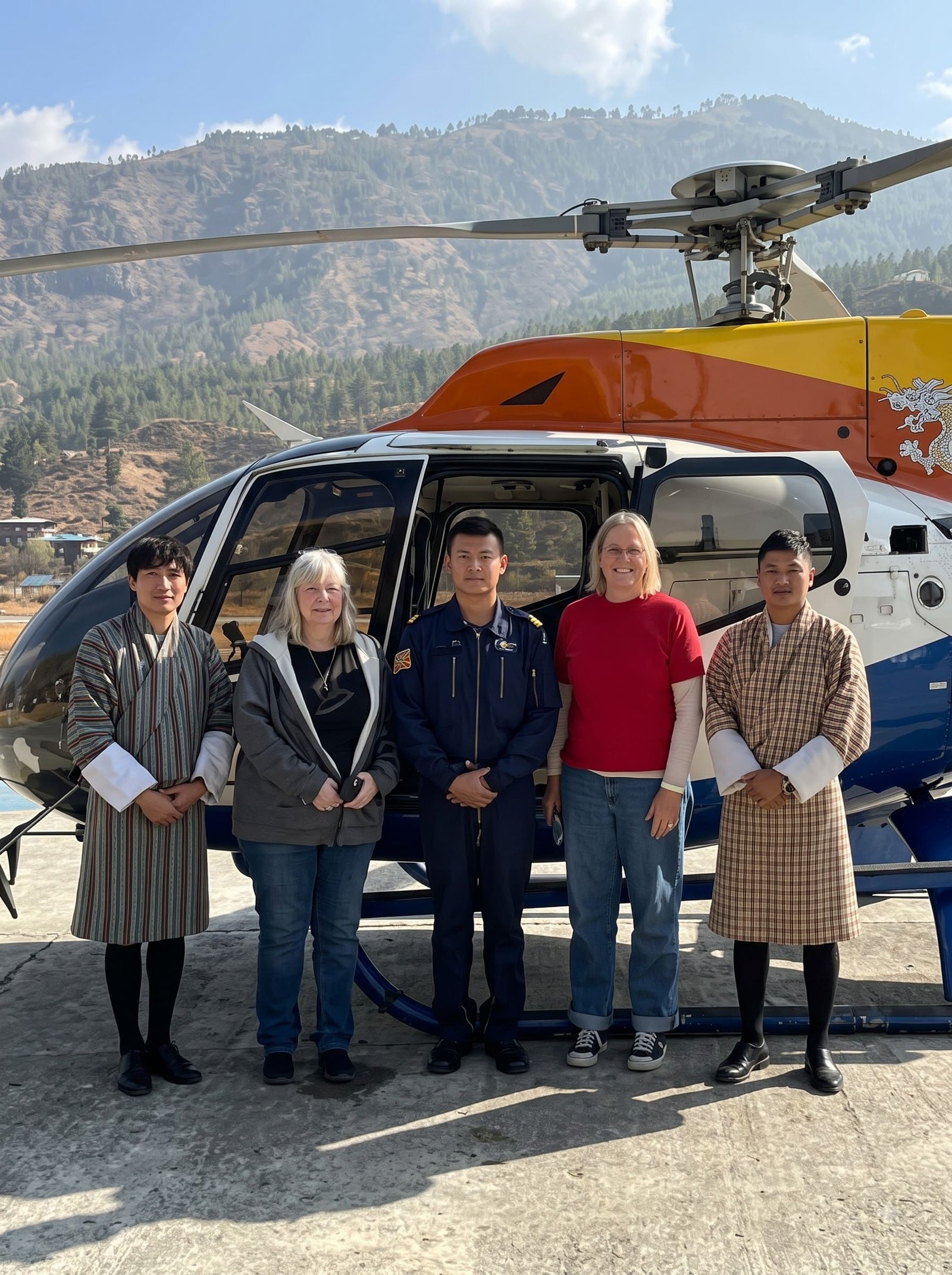
The phrase Bhutan visa for US citizens sounds like the opening of a consular obstacle course, and the reality is almost the opposite: the system is strict about sequence and generous about effort. You do not fill out an embassy form, stand in line, or argue with a portal. You choose a licensed Bhutanese operator, agree on an itinerary, hand over a passport bio page and a photo, and wait — while the operator does the filing, the route permits, and eventually the hotel confirmations. The government collects two charges along the way: a one-time visa fee and the nightly Sustainable Development Fee, both set by policy and revised periodically, both confirmed in writing before you pay anything. This page walks the whole path in order — what kind of visa US citizens get, the filing steps, the timing, arrival day at Paro, and the itineraries that fit the paperwork comfortably.
Who Needs a Visa, and What Kind US Citizens Get
Start by placing the US passport on Bhutan's map of entry rules, because half the confusion online comes from travelers describing entirely different systems.
Visa-exempt neighbors
India, Bangladesh and the Maldives travel under separate entry arrangements, which is why border-town stories you read online do not describe the US experience. American passports follow the full eVisa route — every visit, no exceptions.
US citizens: eVisa, every visit
There is no visa-free tier for Americans and no multi-entry shorthand. Each trip generates its own filing, tied to its own itinerary, submitted by a licensed Bhutanese operator through the national online system.
No visa on arrival
Clearance is issued before travel and checked before boarding at the gateway hub. The airline, not immigration, is the first checkpoint — and it can decline you at the counter without that approval in hand.
The stamp
At Paro, immigration marks your passport against the clearance and the fee receipts. That stamp is the only part of the process that happens on arrival; everything else happened weeks earlier.
The eVisa is tied to your itinerary. The clearance your operator files names the route you agreed to, so big route changes usually mean the paperwork moves too. Swapping Punakha for an extra Paro afternoon is a conversation; deciding mid-trip to add eastern Bhutan is a new filing. Settle the map before the documents go in, and the visa never becomes the reason a plan bends.
The Application Sequence, Step by Step
Seven steps, in strict order, none of them difficult — the difficulty is only ever doing them out of sequence. Here is the whole path from a valid passport to a stamp at Paro.
- Passport validitySix months of validity beyond your return date. Every filing keys off the bio page, so renew early if the expiry runs close.
- Book through a licensed operatorOnly licensed Bhutanese operators can file the eVisa. Choosing the operator is, functionally, the first step of the visa process.
- Submit the documentsPassport bio page, a passport-style photo and the agreed itinerary go through the online system via your operator.
- Wait for clearanceApproval usually lands within a couple of weeks of a complete filing; the clearance letter is what airlines and immigration actually check.
- Book the Paro flightsDrukair and Bhutan Airlines issue tickets only after clearance exists, so the flight follows the visa — never the reverse.
- Pay the SDF and visa feeBoth charges are collected through your operator and receipted. Amounts are government-set and revised periodically; confirm current figures in writing.
- Arrive and get the stampAt Paro, immigration marks your passport against the clearance. Keep printed copies in your carry-on and the counter takes minutes.
Notice the order: nothing is bought before clearance exists, and nothing is bought outside the operator's desk. That order is the whole trick. Travelers who get into visa trouble in Bhutan almost always inverted it — booking a fare they could not yet ticket, or paying fees against dates that later moved.
Two government charges, zero printed figures. The nightly Sustainable Development Fee and the one-time visa fee are set by Bhutan's government and revised periodically, so this page prints no numbers. Ask your operator to confirm both rates for your travel dates in writing, and expect each to appear as its own line on the invoice — never as an unnamed bundle.
Timing a Bhutan Visa for US Citizens
The visa does not live on its own calendar; it lives on yours. Filing windows flex with the season, the festivals and how firmly your dates are set.
Filing windows, by trip shape
Lead times flex with the calendar — anchor the paperwork to the trip, never the reverse
A few weeks of lead time keeps flight choices and hotel options open. File when the itinerary is firm, not before — filings follow the map.
File earlier than feels necessary. Clearance competes with everyone else's, and the best Paro flight times sell out while papers are still in the queue.
Rooms and clearances compete for the same weeks. File as soon as the festival date is announced and treat hotel holds as part of the visa plan.
Tshechu calendars are announced ahead of the season. Anchor the trip to the announced date, then file immediately — reverse the order and you file twice.
Fast turnarounds happen in slow months, but they are a gamble priced in choice: the trip may clear while the itinerary you wanted is already gone.
Arrival Day at Paro, Documented
The visa story ends not at an approval email but at a small counter in a valley ringed by ridgelines. Run the sequence in order and this is the day you get.
Immigration — the stamp and the smile
Hand over the passport and the clearance letter; the officer checks them against the system, stamps, and waves you through. The fearsome border moment of legend lasts about as long as ordering coffee.
A small airport — bags arrive fast
Paro is one terminal and one belt. Landed bags reach you before the altitude has fully registered, and the exit doors sit a short walk from the counter.
Your guide — waiting with the khada scarf
Outside arrivals, your guide waits with a white khada scarf, the traditional welcome. From this minute, every permit, receipt and checkpoint conversation belongs to them.
The first drive — slow, scenic, short
Whether the first night falls in Paro or Thimphu, the drive runs about an hour past rice fields and prayer-flag corners. Keep the evening gentle; the altitude is real.
Itineraries That Fit the Visa Timeline
Three builds, each shaped around a different filing personality: the standard lead time, the wide margin, and the date-anchored festival filing. All three end with a Paro night before the morning flight.
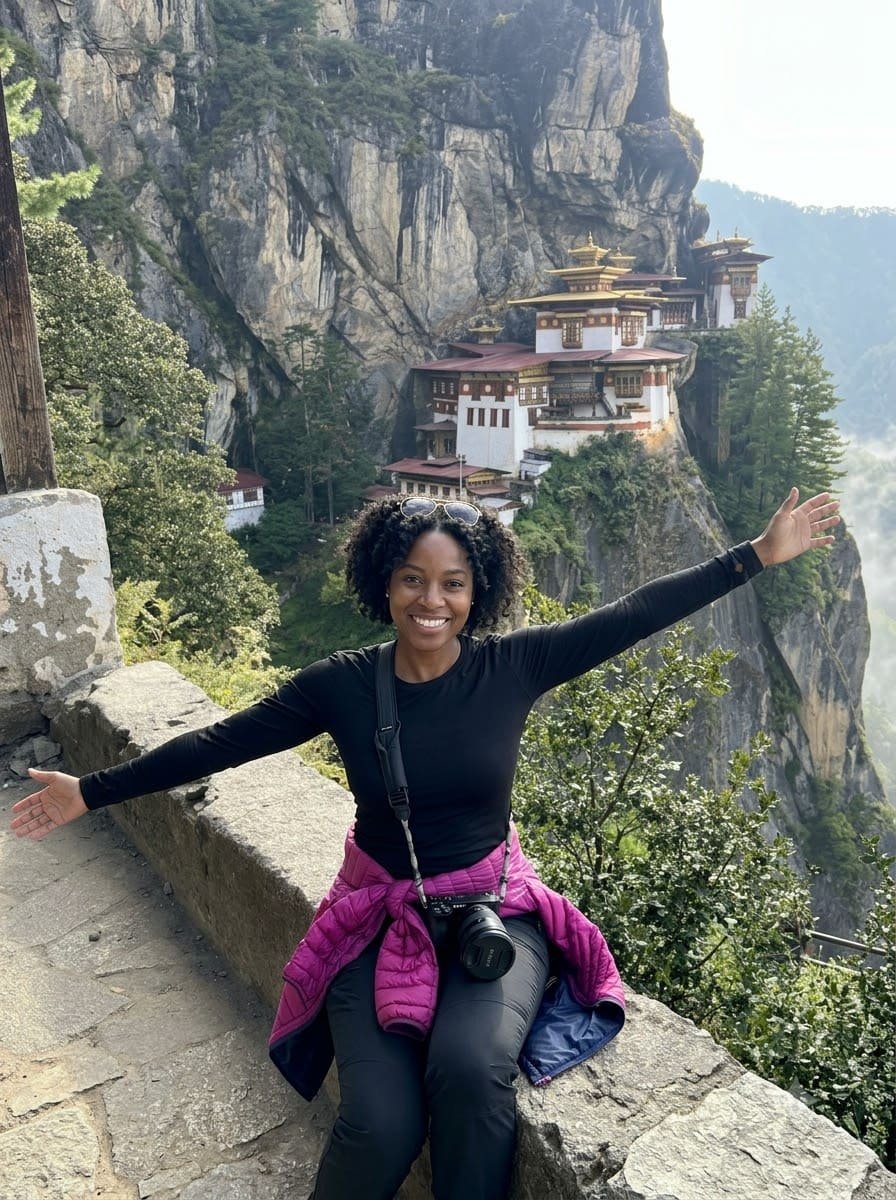
The One-Week Standard
7 Days6 Nights / 7 Days · Paro · Thimphu · Punakha
Made for: standard visa lead times — file, clear, fly
- Fits one clean filing cycle with weeks to spare
- Tiger's Nest on day two, legs fresh and skies kind
- Long stays in each valley, one hotel switch at a time
- Final Paro night matched to the morning flight
Best for: the classic first visa-to-landing run.
See the day-by-day plan

The Standard Ten-Day
10 Days9 Nights / 10 Days · Paro · Thimphu · Punakha · Phobjikha
Made for: unhurried paperwork and unhurried valleys
- A wide filing margin, plus a buffer day on arrival
- Two nights in Phobjikha, the glacial crane valley
- Dochula crossing timed for the clearest light
- The long scenic return to Paro, broken by passes
Best for: filing early and traveling slow.
See the day-by-day plan
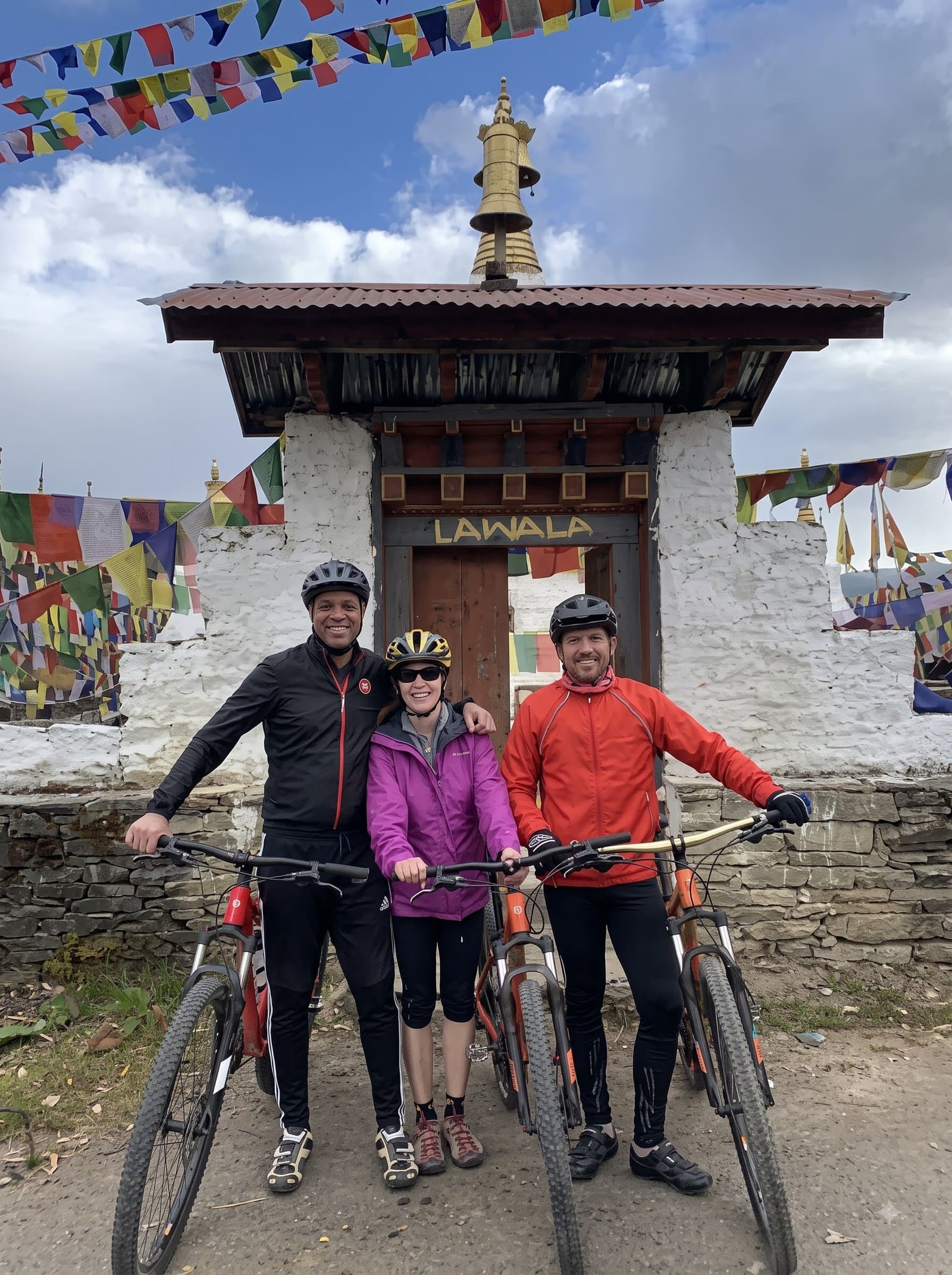
The Festival-Date Visa Run
8 Days7 Nights / 8 Days · Paro · Thimphu · Punakha
Made for: date-anchored filings tied to announced festival calendars
- Built backward from an announced Tshechu date
- Filing starts the week the festival calendar lands
- Masked dances at the dzong courtyard, early for the front rows
- The classic valleys arranged around one fixed date
Best for: trips built to announced festival calendars.
See the day-by-day plan
Each itinerary assumes the filing starts the moment dates are fixed. Send your dates, headcount and departure airport, and a travel designer will line up the clearance, the Paro flights and the hotel nights in one written plan before anything is paid.
Clearance and Room Competition by Month
Visa filings do not compete with weather; they compete with everyone else's paperwork and the country's bed count. The calendar below reads the year as a clearance-and-rooms chart: the clearer the bar, the longer the queue and the tighter the valleys.
Filing queues and room pressure, by month
Bar height tracks weather clarity — and the length of the queue behind it
The practical reading: if your dates are fixed to a peak month, file the moment the itinerary is firm and hold hotel rooms early. If your dates are flexible, the quiet months reward you twice — the paperwork moves faster and the valleys have room to breathe.
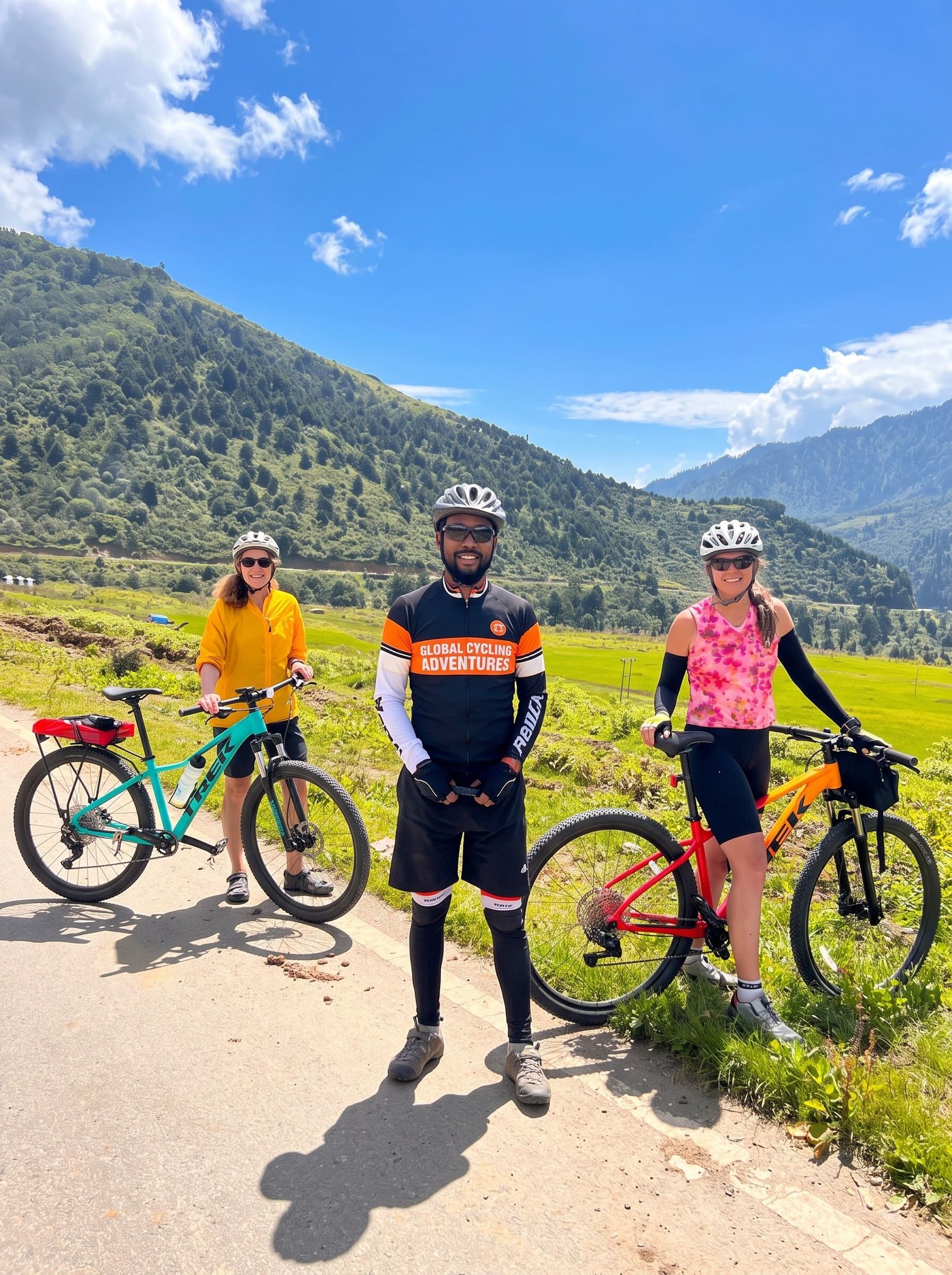
Documents Checklist for US Citizens
The list is short, which is the point of a system where the operator files. Assemble the set below while the clearance is in process; after that, the only job left is keeping the folder dry.
- US passport: valid six months beyond your return date; the bio page anchors the whole filing.
- eVisa clearance letter: operator-filed and airline-checked; carry the printout, not only the PDF.
- SDF and visa fee receipts: proof the government lines were paid, occasionally checked at checkpoints.
- Passport photos: two spares for on-arrival forms and any border paperwork.
- Insurance with evacuation cover: a policy explicitly naming medical evacuation; share a copy with your operator.
- Printed itinerary: the version your operator filed — matching names avoid checkpoint debates.
Insurance is the document travelers skip. Nothing in the entry process demands it and every sensible trip does: a policy that explicitly names medical evacuation from remote valleys. Ordinary trip-cancellation coverage usually stops exactly where Bhutan's roads get interesting. Buy the right policy, put a printed copy in the document folder, and file the digital one where you can reach it offline.
The Bhutan visa rewards the early filer — clearance first, ticket second, mountain views third.
What the Package Does With the Paperwork
A US traveler's paperwork is mostly an operator product. The package you buy is, in part, a filing service wearing a tour's clothes: the eVisa, the permits and the fee lines are handled inside it. In practice:
Inclusions
- eVisa filing and the clearance follow-up
- The nightly Sustainable Development Fee, remitted as its own invoice line
- The one-time visa fee, paid and receipted through the operator
- Route Permit arrangements for every valley beyond Thimphu and Paro
- Airport meet-and-greet and transfers at Paro
- All accommodation on the agreed itinerary
- A licensed English-speaking guide for the whole route
- Private vehicle, driver and all ground transport
- Three meals a day and drinking water in the vehicle
Exclusions
- International flights to and from the gateway hub
- The regional Paro airfare, issued after clearance and quoted separately
- Travel insurance, including the evacuation policy
- Alcoholic drinks and personal spending
- Optional extras booked on the spot, from museum tickets to bath-house soaks
- Airline fare rules when weather reshuffles a Paro flight
Tips for a Clean Visa Run
None of this is hard; all of it rewards habits. The travelers whose filings pass without a single email of drama tend to share six of them.
Check the passport before the itinerary
The six-month rule has ended more Bhutan plans than any mountain has. Renew first, plan second — the itinerary can wait a week; the filing cannot wait at all.
Anchor festival dates before filing
If a Tshechu is the point, build the trip around the announced date and file immediately. Reverse the order and you will file twice, and pay for the pleasure.
Keep names consistent everywhere
The name on the passport, the filing and the flight tickets should match to the letter. Nicknames are for friends; middle names are for clearance documents.
Scan everything, print everything
Digital copies live in your email; paper lives in your day bag. Checkpoints and hotel desks in the valleys still like paper, and batteries still die.
Build a buffer after arrival
One slack day after landing absorbs a delayed gateway flight without touching the itinerary. The visa starts when you land; let the trip start gently.
Confirm fee lines in writing
Ask for the current SDF and visa figures for your dates, in writing, before paying. It takes one email and removes the only ambiguity left in the process.
Frequently Asked Questions: Bhutan Visa for US Citizens
Do US citizens need a visa for Bhutan?
Yes. US citizens need a visa for every visit, and it is arranged as an eVisa filed by a licensed Bhutanese operator — not applied for at an embassy and not issued on arrival. Your operator submits the passport details, photo and itinerary, clearance comes back before you fly, and immigration stamps your passport at Paro. The system is unusual; the process itself is short.
Is there a visa on arrival for Americans?
No. Bhutan has no visa-on-arrival lane for US passports, and airlines check clearance before boarding at the gateway hub, so the paperwork has to exist before you leave home. Travelers who arrive at a check-in counter without clearance do not fly that day. File through your operator early and treat the clearance letter as a boarding document, because that is effectively what it is.
How long does the eVisa take?
Plan on a couple of weeks from a complete filing, and longer when seasonal volume piles up around festivals and peak months. The clock starts when the submission is complete — correct passport details, a usable photo and the agreed itinerary — so sloppy inputs cause most of the delays. File early, keep your inbox close, and never book the Paro ticket before clearance lands.
How much is the Sustainable Development Fee?
The Sustainable Development Fee is a nightly, government-set charge that every non-regional visitor pays, and the government revises it periodically — which is exactly why this page prints no figure. Your operator collects it alongside the one-time visa fee and receipts both. Before you pay, ask for the current rates for your travel dates in writing; a written line in your invoice is the only number worth planning around.
Can I apply without an operator?
No. Tourism rules route non-regional visitors through licensed Bhutanese operators, and the eVisa filing is part of that structure — the license is the mechanism, not a middleman's preference. Independent travel in the Western sense is not on the menu, but the trade is concrete: your operator files the visa, arranges the route permits, assigns the guide and vehicle, and owns the logistics when weather moves a plan.
Do children need their own visa?
Yes. Every traveler files individually, children included — each passport generates its own eVisa, its own photo, and its own line on the fee receipts. Minors generally also need evidence of the relationship, such as a birth certificate, when one parent travels alone; ask your operator for the exact set. The upside: the same operator handles all of it in one filing batch.
Can the visa be extended?
Extensions exist and are routine when they are legitimate — a weather-delayed flight, a trek that ran long, a festival you could not leave. Your operator files the extension with the immigration authorities and the additional nights of the Sustainable Development Fee are settled accordingly. What extensions are not is a shortcut for unplanned extra weeks decided on a whim; tell your operator early and the paperwork stays boring.
Do I need to carry printed documents?
Carry prints of the essentials: the visa clearance letter, the fee receipts, your insurance policy and the itinerary your operator filed. Paro is modern enough, but checkpoints and hotel desks in the valleys occasionally want paper, and a dead phone battery should never be the thing standing between you and a border desk. Scan everything as backup, print everything as armor.
Ready to File the Right Way?
Send your dates, headcount and departure airport, and a licensed operator will draft the itinerary, confirm the current fee lines in writing, and walk the eVisa sequence with you — a written plan and a clear quote before any deposit changes hands.