

Search "Bhutan vacation" and you'll find plenty of photos of a monastery clinging to a cliff, but not much about the parts that actually determine whether your trip goes smoothly — how you get there from a U.S. airport, what paperwork you need as an American citizen, and how many of your limited vacation days to actually spend on the ground. This guide covers all of it in order: why a Bhutan vacation runs differently than most international trips, the logistics of getting there and getting a visa, when to go, how long to stay, four sample itineraries to compare, the experiences worth building in, and the everyday practical details — currency, packing, altitude — that make the difference between a smooth trip and a stressful one.
Why a Bhutan Vacation Is Different
Bhutan doesn't sell tourism the way most countries do. The government caps how tourism grows, requires every international visitor to book through a licensed Bhutanese operator, and bundles a private guide, driver and vehicle into every trip — not as an upgrade, but as the baseline. A portion of what you pay also goes toward a Sustainable Development Fee that funds free healthcare, free education and conservation work across the country, which is part of why Bhutan remains one of the few carbon-negative nations on Earth. The upshot for a first-time visitor: a Bhutan vacation isn't something you piece together hotel-by-hotel and museum-ticket-by-museum-ticket. It's a single coordinated itinerary, arranged in advance, that you then simply show up and follow.
That structure changes what actually varies from one Bhutan vacation to the next. It's not whether you get a guide — everyone does. It's which towns you visit, how many days you spend in each, which lodges or hotels you're booked into, and which optional experiences — a festival, a trek, a hot air balloon flight — get added to the base itinerary.
Types of Bhutan Vacations to Consider
Before comparing specific itinerary lengths, it's worth deciding which flavor of Bhutan vacation actually fits your trip — the same seven days can be built very differently depending on who's traveling.
Classic Cultural Bhutan Vacation
The essential first-time itinerary — Paro, Thimphu and Punakha at a comfortable pace, covering the country's best-known monasteries, dzongs and valleys.
Family Bhutan Vacation
A slower daily pace with interconnecting rooms, shorter drive days and hands-on activities like archery, built to work for grandparents and kids on the same trip.
Honeymoon Bhutan Vacation
Quiet valleys, candlelit dinners and couple-focused moments woven into a shorter, unhurried route.
Bhutan Trekking Vacation
Day hikes and short multi-day treks such as the Druk Path, added around the classic circuit for travelers who want to get further off the road.
Bhutan Festival (Tshechu) Vacation
A trip timed around a specific masked-dance festival, with reserved viewing and a guide on hand to explain each dance.
Bhutan Nature & Photography Vacation
A slower route that adds Phobjikha Valley, built around wildlife viewing, valley walks and unhurried light for photography.
Getting to Bhutan From the United States
There's no way to fly nonstop from the U.S. to Bhutan, and that single fact shapes more of a Bhutan vacation's logistics than almost anything else. Only two airlines are certified to land at Paro International Airport — Drukair (Royal Bhutan Airlines) and Bhutan Airlines — and both fly in from regional gateway cities rather than from North America.
In practice, most U.S. travelers book a major international carrier from a home airport (JFK, Newark, LAX, SFO and similar hubs all work) to a connecting city such as Bangkok, Delhi, Kathmandu, Singapore or Kolkata, then catch a Drukair or Bhutan Airlines flight for the final leg into Paro. Depending on the routing and layover length, total door-to-door travel time typically runs somewhere in the neighborhood of a full day, which is why most itineraries either build in an overnight stop at the connecting city or simply treat day one in Bhutan as a rest day rather than a sightseeing day.
The Paro approach itself is part of the experience — the airport sits in a narrow valley surrounded by peaks, and only a small number of pilots worldwide are certified to fly the approach. On a clear day, it's one of the more memorable landings in commercial aviation.
Visa Requirements for U.S. Citizens
Indian, Bangladeshi and Maldivian nationals can enter Bhutan with just an online permit, but that exemption doesn't extend to U.S. passport holders. Americans planning a Bhutan vacation need an actual visa, and the good news is that your tour operator handles nearly all of it.
- Timing: once your itinerary and travel dates are confirmed, your operator submits your visa application online.
- Approval: visa clearance is issued before you leave the U.S. — you won't be applying on arrival.
- Stamping: the physical visa stamp goes into your passport when you land in Paro, using the approval your operator already secured.
- Passport validity: plan on at least six months of validity remaining from your travel dates.
Because the visa and the online entry permit are processed together once your route is locked in, it's worth finalizing your itinerary a few weeks before departure rather than at the last minute — there's no same-day visa option the way there is in some countries.
Documents You'll Need
Before You Go
- Valid U.S. passport with six months' validity remaining
- Recent passport-size photo for each traveler
- Confirmed itinerary and travel dates (needed before your operator can file for your visa)
- Travel insurance details, if you're arranging your own coverage
Your Operator Handles
- Bhutan visa application and approval
- Online entry permit
- Any regional permits for specific valleys or trekking routes
- Coordination with Drukair or Bhutan Airlines for your Paro flight segment
Best Time for a Bhutan Vacation
Weather drives most of the seasonal advice you'll read about Bhutan, but if you're planning around a U.S. work or school calendar, it's worth weighing the months against your actual vacation windows too.
Weather & booking demand, by month
Higher bar = clearer mountain views, but also busier booking season
If your work calendar is flexible, late May and September come close to peak-season weather without the same competition for guides and lodges. If you're anchoring your Bhutan vacation to a specific U.S. holiday window — Thanksgiving week, the winter holidays, or a spring break — March, April, October and November are the months to lock in your dates early, since permits and popular hotels do fill up.

How Many Days You'll Need
The math behind Bhutan's road network doesn't change no matter how you plan your trip — the mountain roads are slow, and a longer route still means more driving, not more stops packed into the same days. What does change for U.S. travelers specifically is the jet lag factor: after a day-long journey across ten or more time zones, most people do better with a light first day in Bhutan rather than heading straight into a full hike.
Trip length, by vacation goal
Each length below already builds in a day to recover from the trip over from the U.S.
Enough for the Tiger's Nest hike and the capital's landmarks, with a light day built in on arrival — a reasonable Bhutan vacation if you're working with about a week of U.S. vacation time including travel days.
The most common length booked by U.S. travelers — two nights in each of the three main towns, so nothing feels like a drive-through stop.
Worth the extra two days if you'd rather spend real time in one quiet valley than check off another town.
Given how far you've already flown to get there, this length makes sense for travelers who'd rather go deep on one trip than plan a return visit for central Bhutan later.
As with any Bhutan itinerary, these are starting points, not fixed brackets. A traveler who wants a slower pace can turn an 8-day circuit into 10 simply by adding rest days at the same stops, and someone tight on vacation days can trim the quick getaway down further by cutting Thimphu and focusing only on Paro.
Compare Bhutan Vacation Itineraries
Below are four ready-made Bhutan vacation lengths that map onto the guide above. Each breaks down exactly how nights split across towns, since two "8-day" itineraries can feel very different depending on where those nights actually fall.
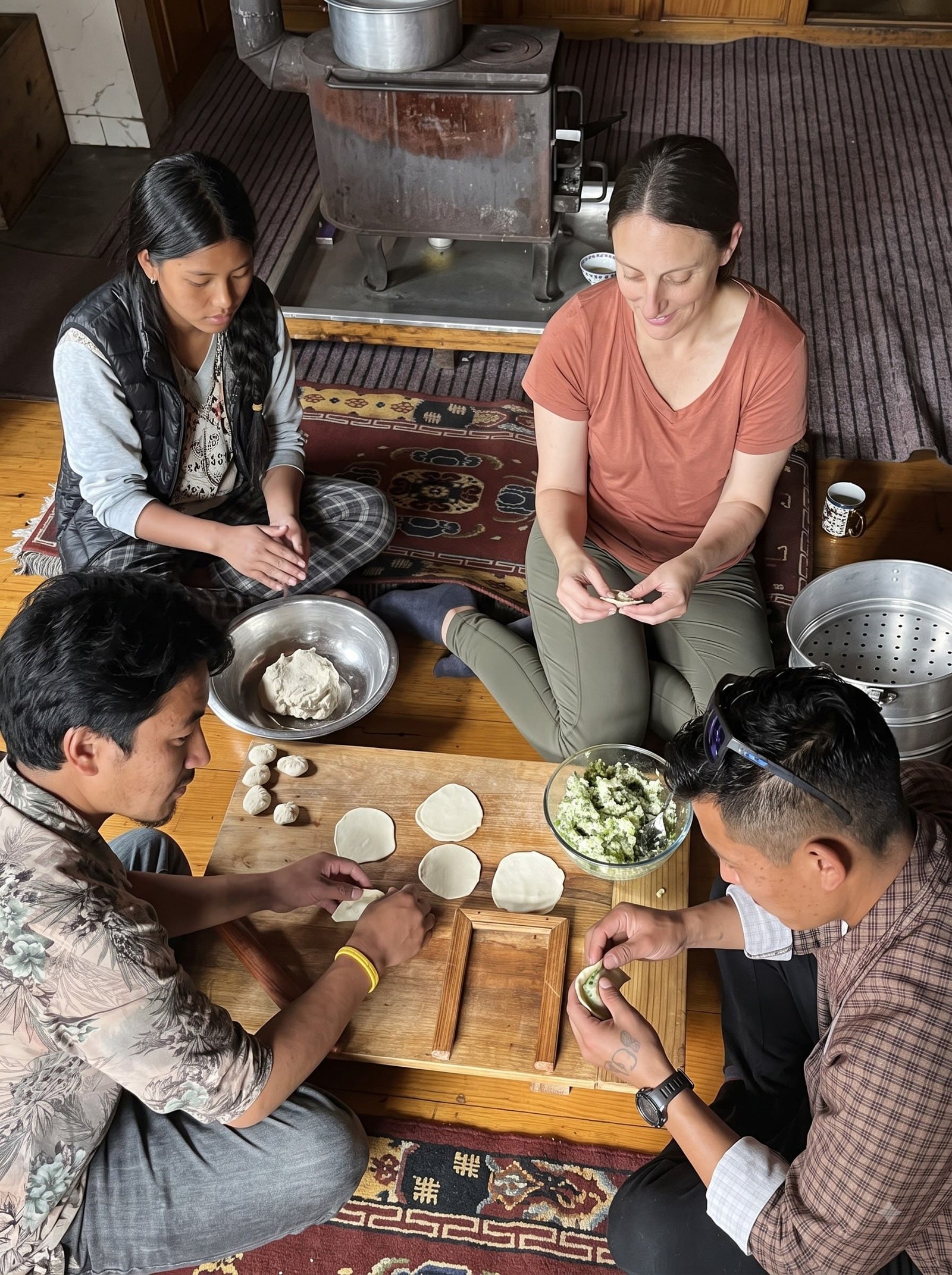
USA Traveler's Bhutan Quick Getaway
Short & Simple5 Nights / 6 Days · Paro · Thimphu
Ideal for: first-time visitors & travelers short on vacation days
- A built-in arrival day to shake off the long flight over before any sightseeing starts
- The full Tiger's Nest hike at your own pace, guide included
- Capital sightseeing condensed into one relaxed day, not a checklist
- Every drive under two hours, so no day feels like a transfer day
Best for: travelers working with about a week of vacation time once flights are counted, or anyone testing whether Bhutan fits before planning a longer return trip.
See the day-by-day plan
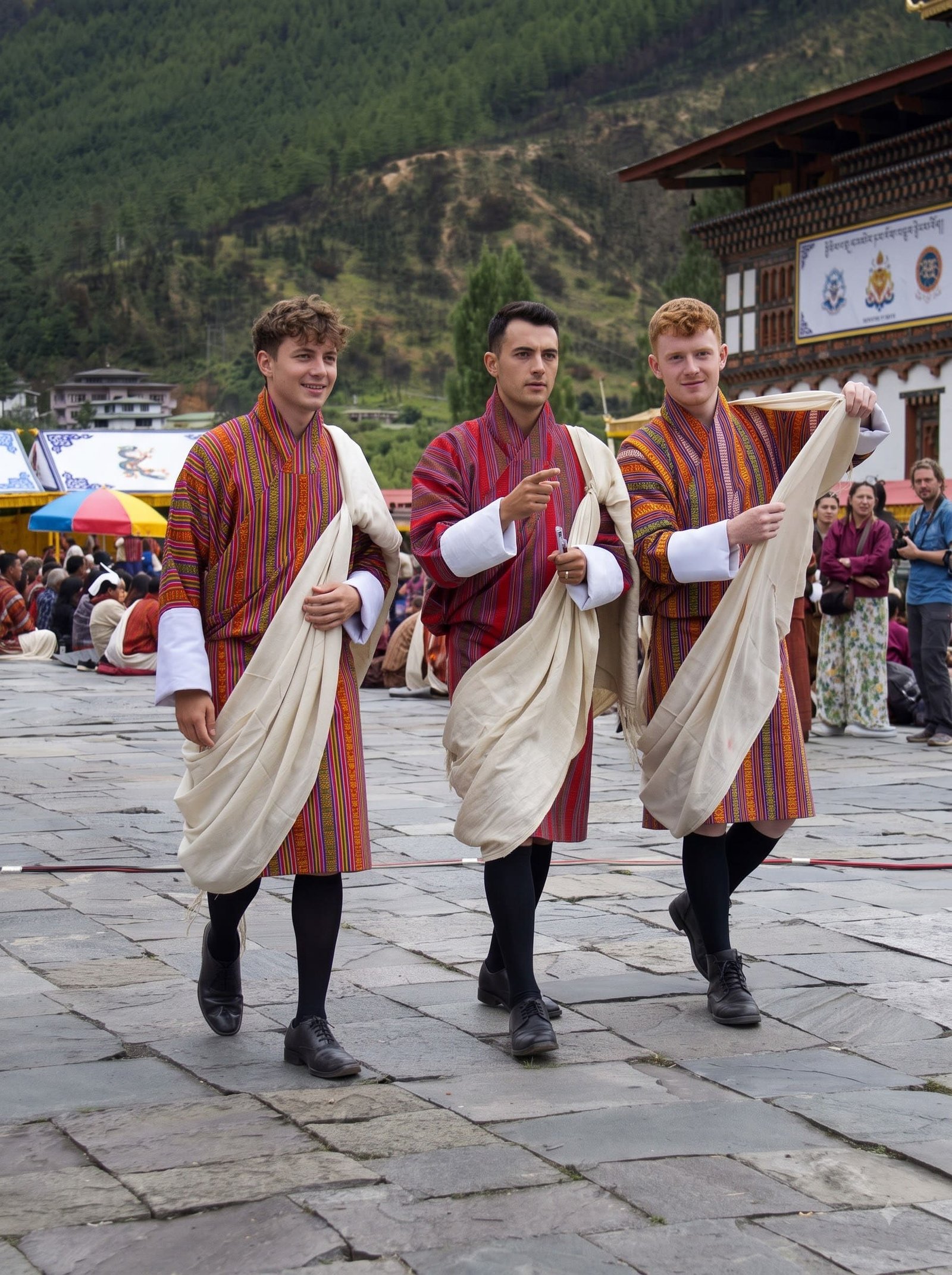
Classic Bhutan Vacation Circuit
Most Booked7 Nights / 8 Days · Paro · Thimphu · Punakha
Ideal for: most U.S. travelers on their first Bhutan vacation
- A rest day in Paro before the Tiger's Nest hike, timed around the long trip over from the U.S.
- Two full nights in each of the three main towns
- A stop at Dochula Pass and its 108 memorial chortens, weather permitting
- The Punakha suspension bridge walk and a stop at Chimi Lhakhang
Best for: the majority of U.S. travelers — this is the length most Bhutan vacation itineraries are built around, and the one most tour operators default to.
See the day-by-day plan
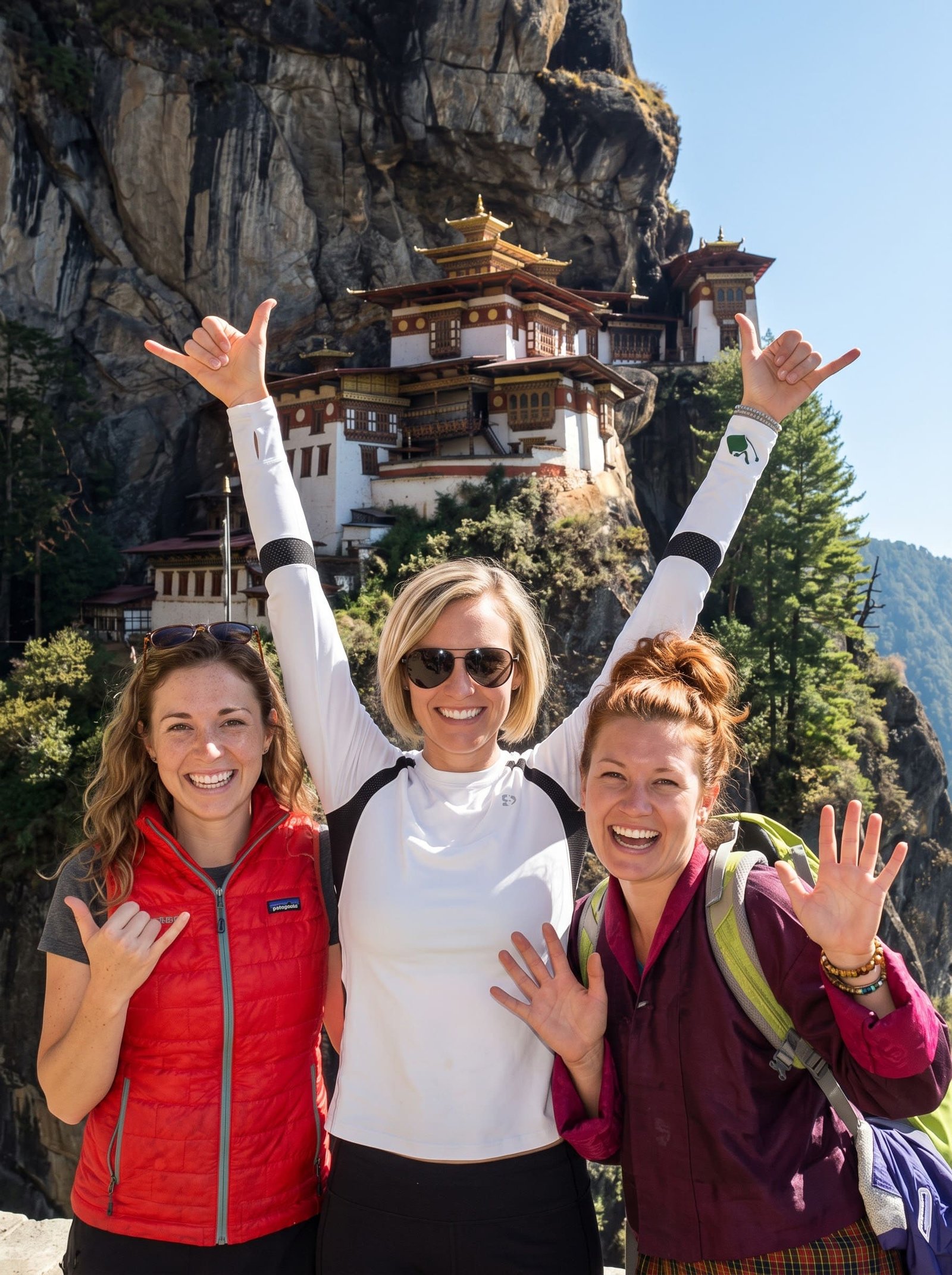
Bhutan Nature & Culture Vacation
Nature Focus8 Nights / 9 Days · Paro · Thimphu · Punakha · Phobjikha
Ideal for: nature lovers, photographers & slower travel
- Two unhurried nights in Phobjikha Valley, well beyond where most first-time itineraries stop
- Gangtey Monastery and an easy valley-floor walk
- Seasonal black-necked crane viewing, roughly November through February
- A lighter Thimphu stop, trading a second night there for real time in the valley
Best for: travelers who'd rather spend two easy days in one exceptional valley than rush through an extra town.
See the day-by-day plan
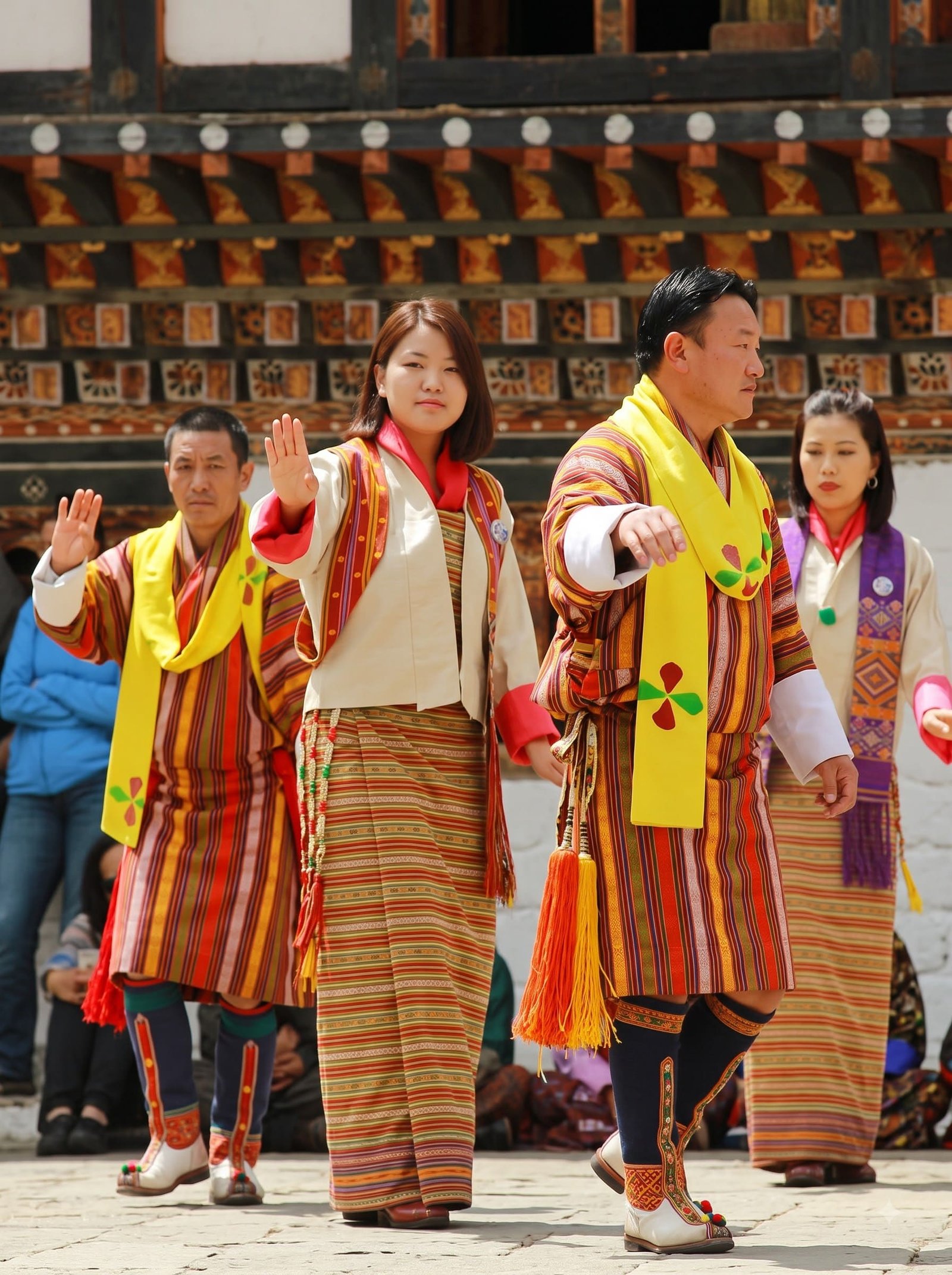
Grand Bhutan Vacation: Central Bhutan Discovery
Deep Dive10 Nights / 11 Days · Paro · Thimphu · Punakha · Trongsa · Bumthang
Ideal for: repeat visitors & travelers who want real depth
- The full central Bhutan route, which most standard vacation packages skip entirely
- Trongsa Dzong, built directly into a cliff above the Mangde River gorge
- Jambay Lhakhang and Kurjey Lhakhang, among the oldest temples in the country
- Three full nights in Bumthang, with time for a local cheese farm and textile village
Best for: travelers who've already done the western circuit, or anyone who'd rather go deep on one long trip than plan a second one later.
See the day-by-day plan
Every itinerary above is a starting template, not a fixed script — swap a night between towns, add a trek, or build in an extra rest day. Share your travel dates and the experiences that matter most to you, and a travel designer will confirm what's realistic, with a written itinerary and quote to follow.
Top Experiences to Include on Your Bhutan Vacation
Dzongs and monasteries are the headline sights on any Bhutan vacation, but a handful of hands-on extras are what most travelers end up talking about afterward. Ask your operator to confirm which of these are already built into your itinerary.
Hike to Tiger's Nest Monastery
The half-day hike to Taktsang Monastery, perched on a cliff above the Paro valley, is the single most photographed moment of any Bhutan vacation.
Explore Punakha Dzong & its suspension bridge
Bhutan's most photogenic fortress-monastery sits at the meeting point of two rivers, a short walk from one of the country's longest suspension bridges.
Cross Dochula Pass
A mountain pass lined with 108 memorial chortens, with Himalayan peaks visible on a clear morning en route between Thimphu and Punakha.
Try a private archery match
Bhutan's national sport, usually arranged against a local village team, with plenty of good-natured heckling and a picnic lunch on the side.
Take in a hot stone bath
A traditional Bhutanese bathing ritual using river stones heated over a wood fire, offered at many farmhouses and lodges along the route.
Browse the Thimphu weekend market
Farmers from across the valley sell produce, cheese and handwoven textiles at this open-air market, running Friday evening through Sunday.
Walk Phobjikha Valley
A wide glacial valley south of the main circuit, home to the black-necked cranes that migrate in from November through February.
Catch a Tshechu festival
If your dates align, a masked-dance festival at a dzong courtyard is worth rearranging an itinerary around — ask your operator which towns have one during your travel window.
What's Included in a Bhutan Vacation Package
Every licensed operator in Bhutan works from the same government-set baseline, so the core inclusions look broadly similar wherever you book. What actually separates one quote from another is the hotel category, the specific experiences bundled in, and how the days are paced — worth checking line by line before comparing two proposals.
Inclusions
- A licensed local guide and driver for the full trip
- A private vehicle for all in-country transport
- Hotel or lodge accommodation matched to your chosen package
- Bhutan's Sustainable Development Fee (SDF)
- Online entry permits and e-permits
- Daily meals as specified in your package (typically full board)
- Airport pickup and drop-off in Paro
- One private cultural experience, such as an archery match
- On-trip support from your guide and tour operator
Exclusions
- International airfare to and from your connecting gateway city
- Bhutan visa fee
- Entrance fees to individual monuments and museums, where charged
- Optional add-ons: trekking permits, hot air ballooning, helicopter transfers
- Personal shopping, gratuities and alcoholic beverages
- Travel insurance
A Bhutan vacation isn't judged by how much you fit into a day. It's judged by how little friction gets between you and the moment already in front of you — the hike, the dzong courtyard, the walk across a 300-year-old bridge.
Money, Packing & Practical Tips for U.S. Travelers
The logistics side of a Bhutan vacation is lighter than most international trips require, but a few details are worth sorting out before you land.
- Currency: Bhutan uses the ngultrum, pegged 1:1 to the Indian rupee. Cards are accepted at larger hotels and shops in Thimphu and Paro, but ATMs are limited elsewhere, so carry some cash for smaller towns, tips and market purchases.
- Packing for altitude: Paro and Thimphu sit at elevation, and temperatures swing more than you'd expect between morning and afternoon. Layers work better than one heavy jacket, and broken-in hiking shoes matter for the Tiger's Nest climb.
- Dress for dzongs and temples: shoulders and knees covered is the general rule for religious sites — long pants and a layer with sleeves cover most situations.
- Power & connectivity: Bhutan runs on 230V with Type D, F and G outlets, so U.S. travelers need an adapter (and often a converter for anything not dual-voltage). Wi-Fi is reliable in Thimphu and Paro hotels and spottier at remote lodges; a local SIM or eSIM covers most of the route.
- Health & insurance: no unusual vaccinations are required for most U.S. travelers, but routine immunizations should be up to date, and travel insurance is worth arranging given how remote parts of the route are.
- Language: Dzongkha is the national language, but English is the medium of instruction in Bhutanese schools and is spoken widely, including by every licensed guide.
What Shapes Every Bhutan Vacation Itinerary
There's no single number that applies to every Bhutan vacation, since what a trip actually involves shifts too much from one traveler to the next. Here's what genuinely shapes the scope of the itinerary:
- Season: peak months carry tighter hotel and permit availability than the quieter monsoon and winter windows.
- Trip length: a longer route through central Bhutan adds driving days on top of the western circuit.
- Group size: a couple traveling alone gets a different pace than a family or group sharing a guide and vehicle.
- Hotel category: standard hotels, boutique properties and small luxury lodges are all available at every stop, and the choice shapes the overall feel of the trip.
- Add-ons: a trek, festival access, a hot air balloon flight or a helicopter transfer are typically arranged separately from the base itinerary.
Ask for it in writing. Because a Bhutan vacation depends so much on your specific dates and chosen route, the only reliable way to know what's realistic is a written itinerary and quote tied to your actual travel window — treat anything else as a starting estimate.
Frequently Asked Questions: Bhutan Vacation
Do U.S. citizens need a visa for a Bhutan vacation?
Yes. Unlike Indian, Bangladeshi and Maldivian nationals, U.S. citizens need a Bhutan visa. Your tour operator applies for it online once your itinerary and travel dates are confirmed, and it's approved before you leave home.
How do I get to Bhutan from the United States?
There are no direct flights from the U.S. to Bhutan. You'll fly to a gateway city such as Bangkok, Delhi, Kathmandu or Singapore on a major international carrier, then connect onto Drukair or Bhutan Airlines, the only two airlines certified to land at Paro's mountain-ringed airport.
How many days should I plan for a Bhutan vacation?
Most first-time visitors from the U.S. plan 6 to 8 days on the ground, plus a buffer day on arrival for jet lag. Longer vacations of 9 to 11 days allow time for Phobjikha Valley or the central Bhutan towns of Trongsa and Bumthang.
Can I travel around Bhutan on my own?
No. Every visitor travels with a licensed Bhutanese guide, driver and vehicle for the length of their trip — that's set by national tourism policy, not by the package you choose.
What's the best time of year for a Bhutan vacation?
March through May and September through November bring the clearest mountain views and are the busiest booking windows. June through August is quieter and easier to fit around a U.S. summer vacation, though skies are less reliable.
Is Bhutan expensive for a vacation?
Bhutan uses an all-inclusive tourism model — your guide, driver, accommodation, meals and the Sustainable Development Fee are bundled into one package rather than booked piece by piece, which makes overall trip costs more predictable than a self-planned itinerary elsewhere. Ask your operator for a written quote tied to your specific dates.
What currency does Bhutan use, and should I bring cash?
Bhutan's currency is the ngultrum, pegged to the Indian rupee. Cards are accepted in Thimphu and Paro's larger hotels and shops, but ATMs are limited outside those two towns, so it's worth carrying some cash for smaller purchases and tips.
Is Bhutan safe for American travelers?
Bhutan is generally considered a safe, low-crime destination for international visitors. As with any international trip, standard precautions and comprehensive travel insurance are still worth having in place.
Ready to Plan Your Bhutan Vacation?
Share your travel dates, the experiences that matter most to you, and how many vacation days you're working with, and a travel designer will map a Bhutan vacation itinerary to match — with a transparent, written quote and no obligation to book.