
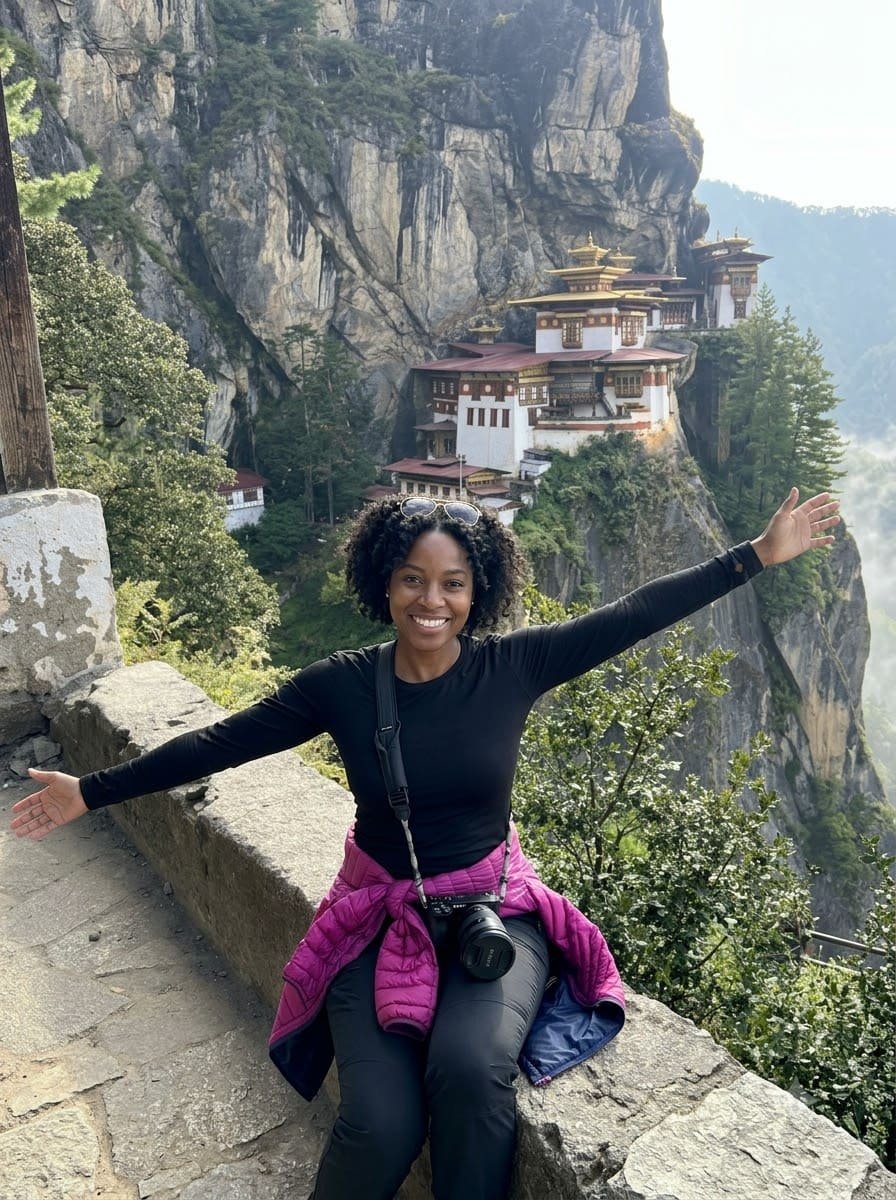
Most destinations forgive chaotic planning; a Bhutan trip gently refuses to. Because every visitor books through a licensed Bhutanese operator, because the visa must clear before a Paro flight can even be ticketed, and because the country's hotel pool is small enough to fill from every direction at once, the order in which you do things matters as much as the things themselves. The good news is that the order is short and completely learnable. This page lays it out as a countdown — starting at the earliest decisions and running all the way to the morning you land — so you always know what is next, what can wait, and what cannot be rushed no matter how you feel about it. By the end, planning a Bhutan trip stops being a haze of advice and becomes a checklist you can actually run.
The First Three Decisions of a Bhutan Trip
Everything downstream — operator quotes, hotel choices, festival dates, flight seating — keys off a handful of early decisions. Make these first and the rest of the countdown practically writes itself.
Dates and length
When you can leave, and how many nights you can honestly spare. Decide both before touching an itinerary, because every quote and every hotel conversation hangs on those two numbers.
Season tradeoffs
Clear skies and crowds travel together in Bhutan. Pick your priority — weather, festivals, or availability — and the calendar narrows to a sensible window surprisingly fast.
Who is coming
A couple, a family with teenagers, and a group of old friends need different pacing, different rooms, and different drive-day tolerance. Settle it now, not three months in.
Must-haves and nice-to-haves
Name the two or three things the trip cannot miss — the Tiger's Nest climb, a festival, one specific valley — and let the rest flex. Itineraries bend best around fixed points.
Bhutan's hotel pool is small, and it fills from every direction. Dates chosen early buy you choice — the lodge with the valley view, the room category you actually wanted. Dates chosen late buy you leftovers. That asymmetry is the quiet reason this countdown starts before you feel ready.
The Working-Backward Countdown
Start at landing day and the whole plan organizes itself. The rows below run from the earliest decision to the final week, in the order things actually happen for a Bhutan trip — and the order matters more than the exact spacing.
The countdown, from idea to runway
Spacing flexes with the season; the sequence does not
Lock the travel window, pick your licensed operator, and agree the itinerary's shape. This is the stage that buys you choice everywhere else.
Nights per valley get real hotel names behind them, and festival dates get confirmed against the published calendar while rooms still exist.
Passport details go to your operator for the eVisa; the moment clearance lands, the Paro flights are ticketed and the trip becomes physical.
Insurance bought, documents printed, and one full reconfirmation to the operator — hotels, transfers, dietary notes, festival seats.
Packing, cash in small notes, and copies of everything that matters. If the final week is busy, something earlier in the countdown was skipped.
The Booking Sequence, In Order
Inside the countdown sits a strict sequence: some steps cannot start until the previous one finishes. Get the order right and a Bhutan trip books itself in a few calm sittings. Get it wrong and you will pay for the same step twice in patience.
- Confirm the travel windowNights, dates, and one flex day on each end. Every later step quotes against this window, so lock it before conversations begin.
- Choose a licensed operatorOnly a licensed Bhutanese operator can file your visa and run the trip. Shortlist two or three, read what past travelers say, and talk to a human before committing.
- Agree the itinerary in writingNights per valley, festival days, hotel categories, and what the plan covers. The written version is what protects you when memory and enthusiasm disagree later.
- Submit passport details for the eVisaYour operator files the application with your passport bio page, a photo, and the itinerary. Accuracy matters more than speed here — errors restart the clock.
- Receive visa clearanceClearance lands as an electronic approval your operator forwards. Nothing after this step can be paid for or ticketed until it arrives, so treat it as the hinge of the whole countdown.
- Book Paro flights, then international legsThe two Paro carriers only ticket after clearance, so they come first. Your long-haul routing to the hub books around the confirmed Paro seats, not before.
- Reconfirm everything two weeks outHotels, transfers, festival dates, and any vegetarian or allergy notes. One short message to your operator catches most problems while they are still easy to fix.
Two habits make this sequence painless. First, keep one email thread with your operator so decisions and confirmations stack in order. Second, resist booking anything long-haul before clearance — a cheap guess that turns out wrong is the most expensive kind of saving on a Bhutan trip.
On the government-set lines: the nightly Sustainable Development Fee and the one-time visa fee are set by Bhutan's government and revised periodically, so we print no figures here. Ask your operator to confirm the current rate in writing, and expect both to appear as named lines on your invoice rather than as a surprise at the airport.
Bhutan Trips That Match Common Timelines
Three ready-made plans, matched to the windows travelers actually have: a shorter runway handled honestly, the classic planning window, and a trip built around a date that cannot move. Each runs through a licensed operator with guide and vehicle included.
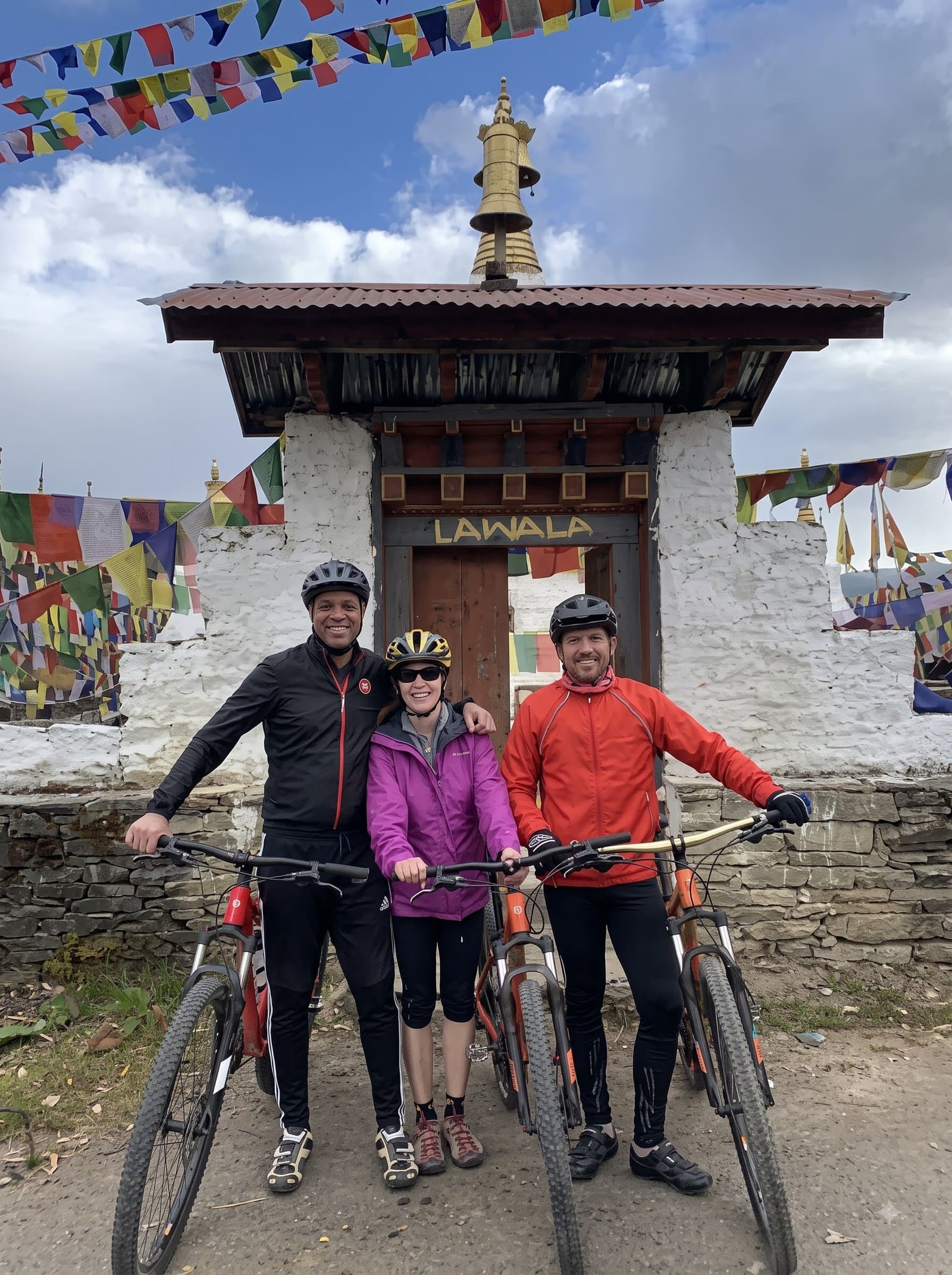
The Six-Week-Sprint Trip
7 Days6 Nights / 7 Days · Paro · Thimphu · Punakha
Built for: shorter lead times in quieter months
- A complete western circuit assembled on a shorter planning runway
- Works best in the quieter months, when rooms and flights cooperate
- Every headline sight included — nothing rushed, nothing cut
- Decisions made once, in the right order, with no rework
Best for: decisive planners whose window lands outside the peak stretches.
See the day-by-day plan

The Standard-Window Trip
10 Days9 Nights / 10 Days · Paro · Thimphu · Punakha · Phobjikha
Built for: the classic planning window, with breathing room
- The classic planning window, matched to a classic itinerary
- Two nights in each major valley, Phobjikha included
- Slack built in for weather calls and festival announcements
- Written itinerary agreed before any payment conversation starts
Best for: first visits planned on a normal runway, with room for the trip to breathe.
See the day-by-day plan
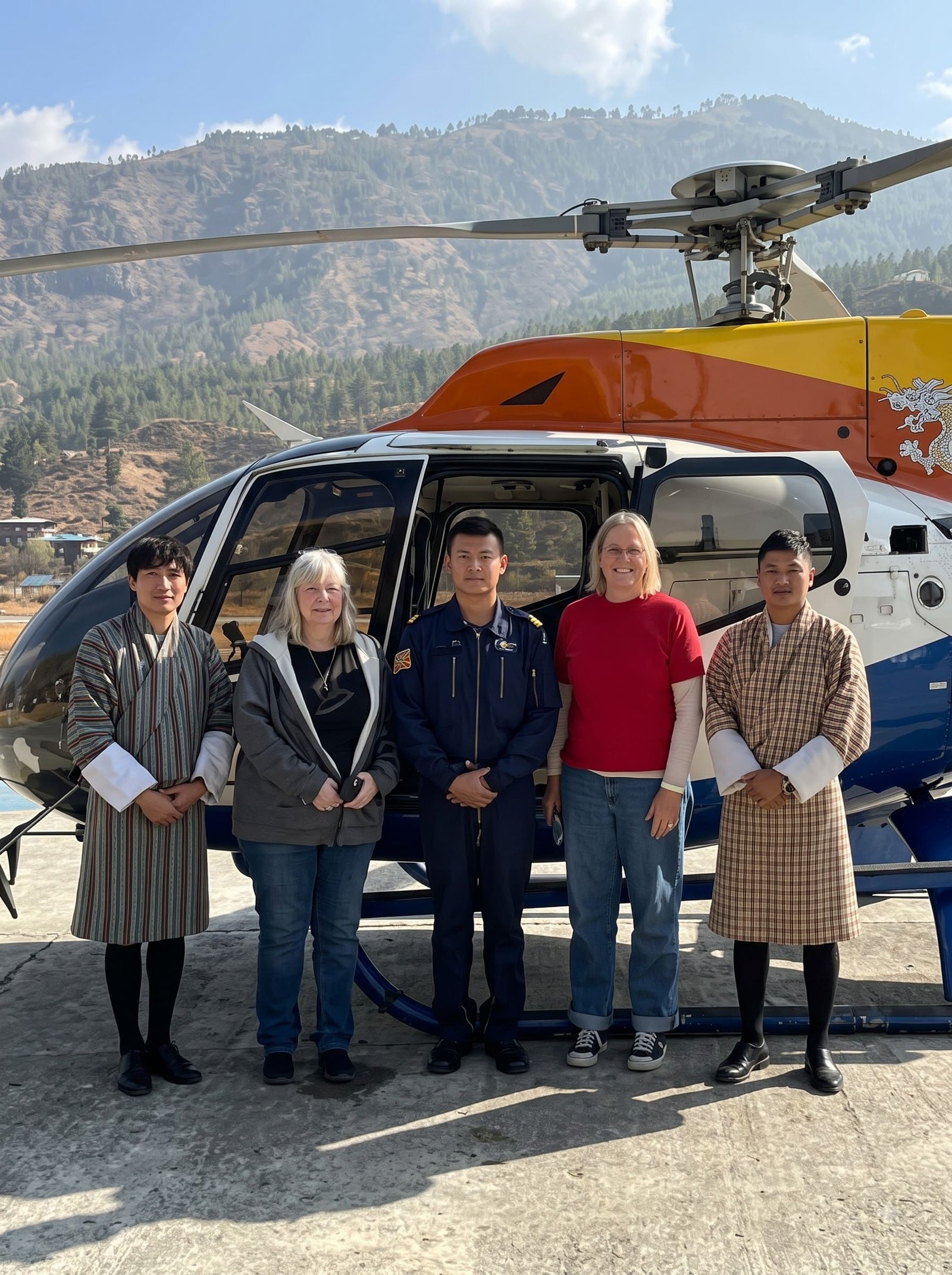
The Festival-Deadline Trip
8 Days7 Nights / 8 Days · Paro · Thimphu · Punakha, around a Tshechu
Built for: date-anchored trips working around festival announcements
- Dates anchored to published festival announcements
- A full courtyard day rather than a drive-by visit
- Tiger's Nest climbed before the ceremony days begin
- Sequenced so a date change never strands the trip
Best for: planners who work backward from a festival announcement and want the rest of the trip to fit around it.
See the day-by-day plan
Each plan above is a template that bends — nights can move between valleys, and festival dates can pull the whole sequence earlier or later. Send dates, headcount and departure city, and a travel designer will return a written itinerary with the government-set fee confirmed in writing.
Landing Week: What Happens First
The countdown ends at the runway, but the first week has its own sequence — one that runs on rails. Knowing what happens in the first days removes the last of the planning anxiety, because nothing here requires a decision from you beyond what to order for dinner.
- Immigration and the visa stampPresent your passport and approval at Paro immigration; the visa goes in as a stamp. Keep the fee receipts handy in case they are asked for.
- Meeting your guide and driverThey wait outside arrivals with a greeting and a plan. Introductions, luggage, and the vehicle that stays yours for the whole trip.
- The slow first eveningResist the urge to sightsee. A walk, an early dinner, and a long sleep reset the body clock better than any packed afternoon could.
- Route permit checksLeaving the Paro-Thimphu corridor needs permits your operator arranges in advance; the first road checkpoint is where that paperwork habit starts making sense.
- The rhythm settles from day twoBy the second morning the daily arc — early start, morning drive, one headline sight — feels natural. The trip stops being a plan and becomes a routine.
The Prep Week
Seven days out, the planning is done and the preparation begins. None of it is complicated; all of it is easier a week early than a night before. Six things deserve a slot on the list.
Layered clothing
Mornings and evenings run cold even when afternoons glow, so think fleece, shell and quick-dry layers rather than one heavy coat. Laundry exists between valleys.
Medications and basics
Bring prescriptions with a margin, plus the ordinary kit: sunscreen, lip balm, rehydration salts. Pharmacies in the towns cover the usual, not the specific.
Cash and card plan
Cards work at hotels and bigger shops in Thimphu and Paro, but ATMs thin out fast beyond them. Carry some cash in small notes for the road.
Local SIM or eSIM
Buy one on arrival; coverage follows the main routes and thins in the valleys. Download offline maps while the airport or hotel wifi is still friendly.
Photocopies of documents
Passport, visa approval, fee receipts, insurance — one paper set in a different bag from the originals, and one digital set waiting in your email.
Broken-in walking shoes
The Tiger's Nest climb and every town stroll ask more of your feet than the distances suggest. New shoes and mountain trails are a famously bad pairing.
Seasons Move the Deadline
Peak months do not just fill rooms — they pull every deadline on this page earlier. The bars show sky clarity and booking pressure by month; the notes translate each stretch into countdown terms.
Booking pressure, by month
Higher bar = clearer skies — and an earlier start demanded of you
Read the chart as a deadline dial rather than a weather report. In the peak stretches, the working-backward countdown stretches by whole months, because hotels and Paro seats are the scarce goods. In the quiet stretches the same countdown compresses pleasantly, and short-notice Bhutan trips stop being a gamble. Flexible dates buy more Bhutan per decision than any other lever on this page.
What the Booking Actually Covers
A written quote from a licensed operator should make the boundary between included and extra obvious. The grid below is the typical shape of that boundary for a planned Bhutan trip — use it to read your own quote line by line.
Inclusions
- Accommodation for every night on the agreed itinerary
- Licensed English-speaking guide across the full trip
- Private vehicle with an experienced driver for the whole route
- Visa application filing and clearance processing
- Route permits for travel beyond the Paro-Thimphu corridor
- The nightly Sustainable Development Fee at the government-set rate
- Paro airport transfers on arrival and departure
- Full-board meals: breakfast, lunch and dinner daily
- Festival entry and monument access where the plan includes them
Exclusions
- International flights to your hub, and the Paro air tickets themselves
- Bar drinks and specialty coffees beyond the meal table
- Personal expenses: souvenirs, laundry beyond hotels, optional activities
- Travel insurance, including medical evacuation cover
- Gratuities for guide and driver, arranged personally
- Anything forced by weather — rerouted days, extra nights, missed connections
Documents for the Countdown
Nothing on this list is exotic — the point is that every item has a moment in the countdown when it must exist. Gather them as you go and the final week stays boring, which is exactly what a final week should be.
- Passport: valid well past your return date — check it before the first operator conversation, not the week before the flight.
- Visa approval letter: the electronic clearance your operator forwards; print it, and carry it where the passport travels.
- Fee confirmations: the visa fee and the nightly Sustainable Development Fee are government-set and revised periodically; keep the written confirmation with current rates among your travel papers.
- Insurance policy: a printed summary naming medical evacuation, with the emergency number written on the cover.
- Passport photos and copies: a spare set for permits and hotel registries; they cost nothing now and save a hunt later.
- Operator contact sheet: names, numbers and the itinerary — the one document that solves problems when everything else is asleep.
Insurance deserves its own countdown step. Standard trip cover often stops at cancellation and luggage; what matters in a Himalayan valley is a policy that explicitly names medical evacuation from remote areas. Buy it when you book the trip, not at the airport, and keep the proof with your printed papers.
A Bhutan trip is planned in reverse — start at Paro's runway and walk the dates backward until today.
Frequently Asked Questions: Planning a Bhutan Trip
How far ahead should I plan?
For the comfortable version, start six or more months out: pick dates, choose an operator, and let the itinerary settle before hotels and festival calendars tighten. In practice, trips come together in far less — a decisive traveler with flexible dates can be cleared, booked and packed inside six weeks, especially outside the peak months. The earlier you start, the more of Bhutan you get to choose.
Can a Bhutan trip be booked last-minute?
Sometimes, and the odds depend entirely on the calendar. Visa clearance can move quickly, but Paro flights and rooms are the bottleneck, and both thin out sharply in the popular months. If your window lands in a quieter stretch and your dates can flex by a few days, ask an operator directly — they will tell you honestly whether the trip can be assembled in time.
When do flights sell out?
The Paro seats go first around the peak stretches — the clearest autumn months and the winter holiday weeks — when every operator's clients are competing for the same small number of seats. Elsewhere in the calendar they hold up better, but remember the ordering: flights cannot even be ticketed until visa clearance comes through, so late planning compresses everything.
How long does visa clearance take?
Once your operator files the application with your passport details and itinerary, clearance typically comes through within a stretch of working days rather than weeks — but exactly how fast varies, so build in margin rather than betting on the best case. Nothing downwind of the visa can be paid for or ticketed until it lands, which is why it sits early in the countdown.
Which months suit flexible dates?
The shoulder stretches are the flexible traveler's friend: the late-spring weeks before the monsoon, and the early autumn weeks as the skies clear but before the peak rush. You trade a little weather certainty for far easier room and flight availability, and your planning countdown compresses accordingly — decisions made then can still land good hotels.
Are Bhutan trips good with kids?
Yes, with the pacing tuned. The drives are the main consideration, so families do best itineraries that alternate drive days with two-night stops, and hotels in the main towns are used to younger guests. Everyone needs the same visa and nightly fee as adults, so factor that into the family planning conversation with your operator.
What about solo travelers?
Solo travel is entirely workable — your operator provides the guide and driver, and many solo travelers value the company by day two. The tradeoff is that the fixed expenses of the vehicle and guiding are not shared, so the overall quote runs higher per person than for a pair. Solo arrangements and room options are worth confirming in writing before you commit.
What happens if I need to move dates?
Call your operator before you change anything else. Hotel and flight penalties depend on how close to departure you are, and festival-anchored trips cannot slide at all — the dances happen when they happen. Operators deal with date changes constantly and will tell you the least painful way to restructure, which is one more reason the booking should be in writing.
Ready to Put Your Bhutan Trip on the Calendar?
Send your rough window, headcount and departure city, and a travel designer will run the countdown with you — dates first, then the operator steps, a written itinerary, and a transparent quote with the government-set fee confirmed before any deposit is even mentioned.