

The honest answer to any question about Bhutan trip cost is a structure, not a number. Four layers stack together: a nightly Sustainable Development Fee the government sets, a package of services — guide, vehicle, hotels, meals, permits — that your operator contracts, international flights that obey ordinary airline economics, and a personal layer of insurance, drinks, tips and appetites. Change any one of them and the total moves, which is why figures you find online conflict and why a written quote with named lines is the only budget that survives contact with a real trip. This page explains each layer, what pushes it up, what keeps it down, and how to read a quote so you can compare two operators without guessing. There are no figures anywhere on this page; there is, instead, a method.
The Four Layers of Every Bhutan Budget
Every budget for Bhutan, from lean to lavish, is the same four layers at different weights. Learn the layers and every quote you read becomes legible.
The nightly Sustainable Development Fee
A government-set charge for every night in the country, funding public services and conservation. It applies to every non-regional visitor, sits on the invoice as its own line, and does not bend for anyone.
The package services
Guide, vehicle and driver, hotels, meals and permits — the bundled daily services your operator contracts. Hotel tier, group size and trip length do all their work in this layer.
The international flights
The long-haul routing to a regional hub is ordinary airline economics, disconnected from Bhutan's fee structure — and frequently the largest single line in the whole plan.
The personal extras
Insurance with evacuation coverage, drinks beyond the table, tips, souvenirs and occasional add-ons. Small individually; the reason every honest quote carries an exclusions block.
Why the fee has no number here. The Sustainable Development Fee and the visa fee are set by Bhutan's government and revised periodically. Printing a figure would flatter this page and misinform your budget. Ask your operator to confirm the current rate in writing for your dates, and expect it as its own line — the invoice should name it, not hide it.
What Pushes a Bhutan Trip Cost Up
Six levers do most of the upward work. None is a trick; all are legitimate, and all are visible in advance if you know where to look.
- Peak-season datesOctober to November and the spring peak tighten rooms, guides and Paro seats at once. The fee stays fixed; everything around it firms up.
- Higher hotel tiersUpgrading the accommodation layer changes the trip's feel more than any other lever — and it compounds across every night of the itinerary.
- Smaller groupsThe vehicle, driver and guide serve the party as one unit, so their cost spreads across fewer people. Solo and duo travel carry the widest share.
- Longer tripsMostly linear: more nights mean proportionally more of everything. The logic is transparent, which is why it rarely surprises.
- Festival windowsTshechu weeks pull demand from everywhere. Rooms near the host dzong commit early, and flexibility around the dates is worth having.
- Add-onsTreks, special experiences and one-off arrangements each carry their own logistics. Individually reasonable; collectively, a second itinerary.
Notice that only two of the six are about the country itself — the calendar and the festivals. The rest are choices you make inside the services layer, which is precisely why two travelers in the same month can hold budgets that behave completely differently.
What Keeps It Lean
The same levers, pulled the other way. Lean budgets in Bhutan are about placement, not deprivation — the essentials stay; the premiums wait for the next trip.
Shoulder months, same mountains
The valleys do not know what month it is. Traveling in the quiet weeks keeps every essential and trades away only the crowds and the competition for rooms.
Simpler lodging tiers
The standard tier in Bhutan is clean, warm and genuinely comfortable. The premium tier buys atmosphere and a view; the standard tier buys the same sleep.
Fewer one-off add-ons
Choose the two experiences that matter and skip the rest. A trip with three planned extras beats a trip with eight improvised ones, every time.
The math of staying longer
The fee line grows with nights; the services line spreads better. Longer trips reward you with rhythm — and rhythm is the part travelers remember anyway.
Reading a Quote Without Guessing
A written quote is the whole game. Five lines, each legible, and you can compare two operators honestly. Their absence is information too.
Five lines every quote should name
Compare offers on structure, not on adjectives
The Sustainable Development Fee and visa fee, named separately, at the current government-set rate — confirmed in writing, since it is revised periodically.
What hotel category, which meal plan, what vehicle and how many nights in each town — the layer you can actually comparison-shop.
The regional Paro flights sit apart from your international routing; ask who issues those tickets and what happens if an inbound flight slips a day.
Insurance, drinks, tips, personal gear and hub hotels; a thorough exclusions list means the operator has thought past the brochure.
Deposits, refunds, weather delays and festival-date shifts, in writing; reluctance to write it down is information in itself.
When a Bhutan Trip Needs Attention Through the Year
The government fee does not move with the calendar; rooms, guides and Paro flight seats do. The year, read as booking pressure rather than prices:
Booking pressure through the year
Bar height tracks clarity — and how early the options commit
Read as budgeting, the chart says this: the money you plan is stable, but the options you plan with are seasonal. In peak months, decisiveness is a discount — travelers who commit early hold the better rooms and the better flight times under the same structure of costs.
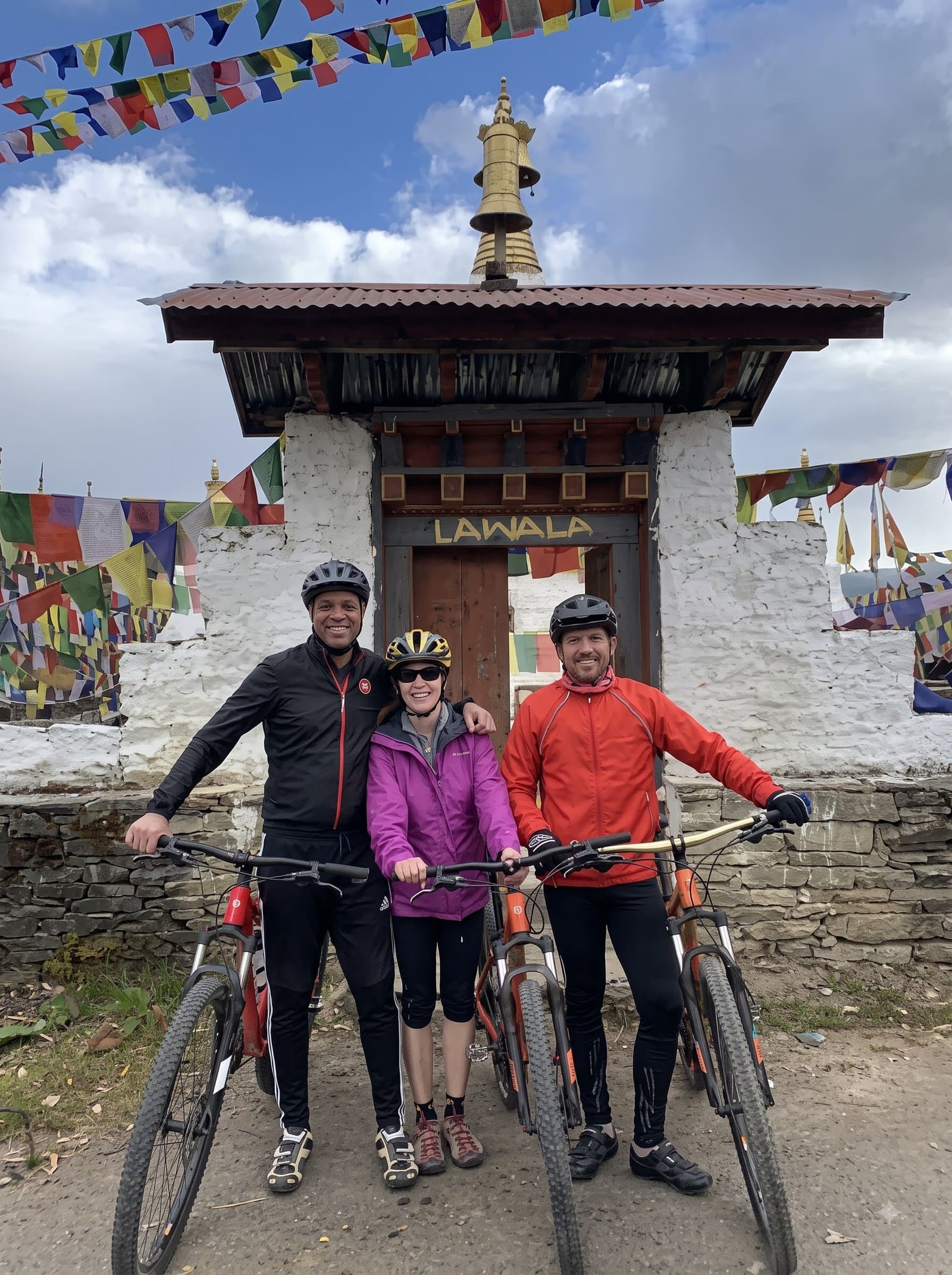
Three Budget Styles, Same Skeleton
Three builds on the same western-plus skeleton, weighted three ways: lean and paced, balanced, and boutique-slow. The structure of costs is identical; the weights are not.
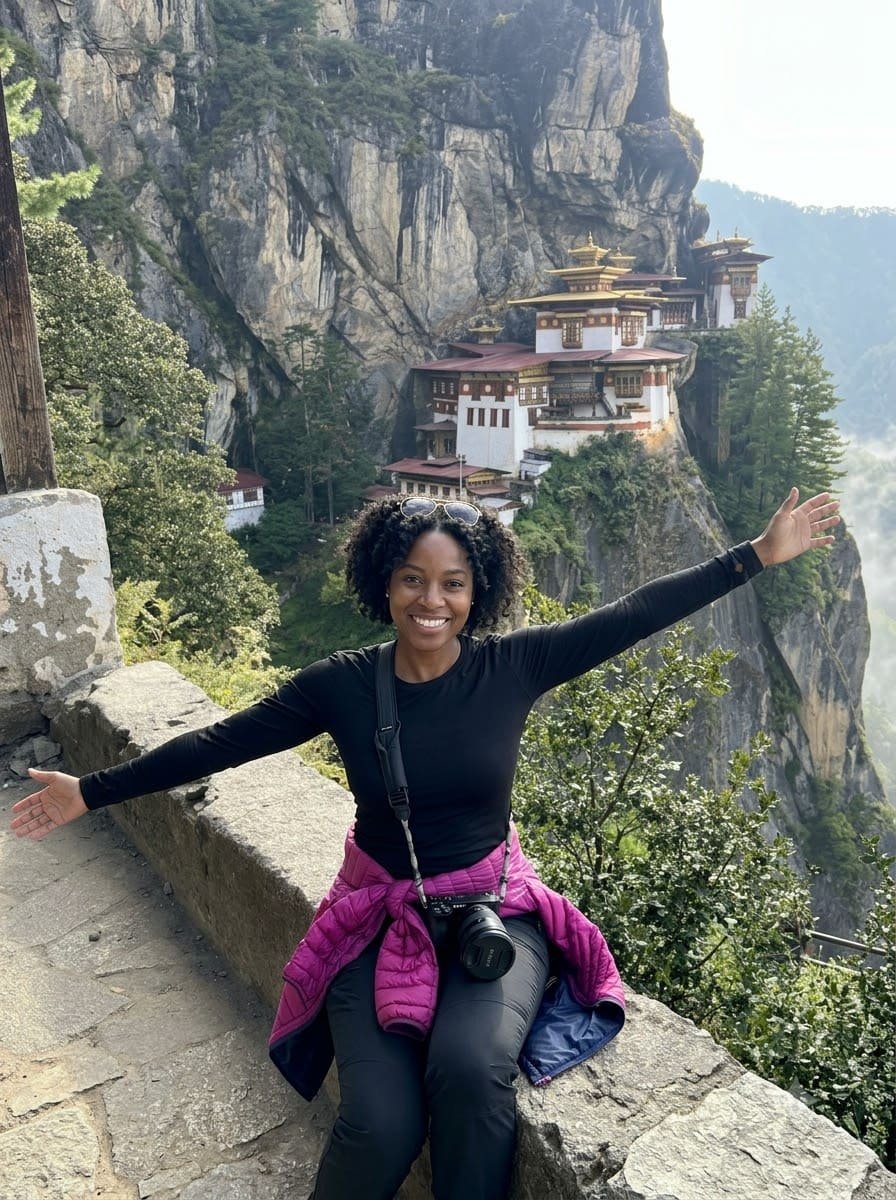
The Value-Paced Week
7 Days6 Nights / 7 Days · Paro · Thimphu · Punakha
Made for: lean, smart planning that keeps the essentials
- Shoulder-month dates that keep every essential
- The full classic circuit, unhurried
- Standard-tier lodging chosen for location, not labels
- Tiger's Nest on day two, legs fresh
Best for: shoulder-month travelers who keep the essentials.
See the day-by-day plan
The Balanced Ten-Day
10 Days9 Nights / 10 Days · Paro · Thimphu · Punakha · Phobjikha
Made for: balanced comfort — the middle path most travelers actually want
- Phobjikha added at a civilized pace
- Two nights in the glacial crane valley
- One upgrade night, spent where it counts
- Dochula crossed for the clearest light
Best for: the middle path most travelers actually want.
See the day-by-day plan
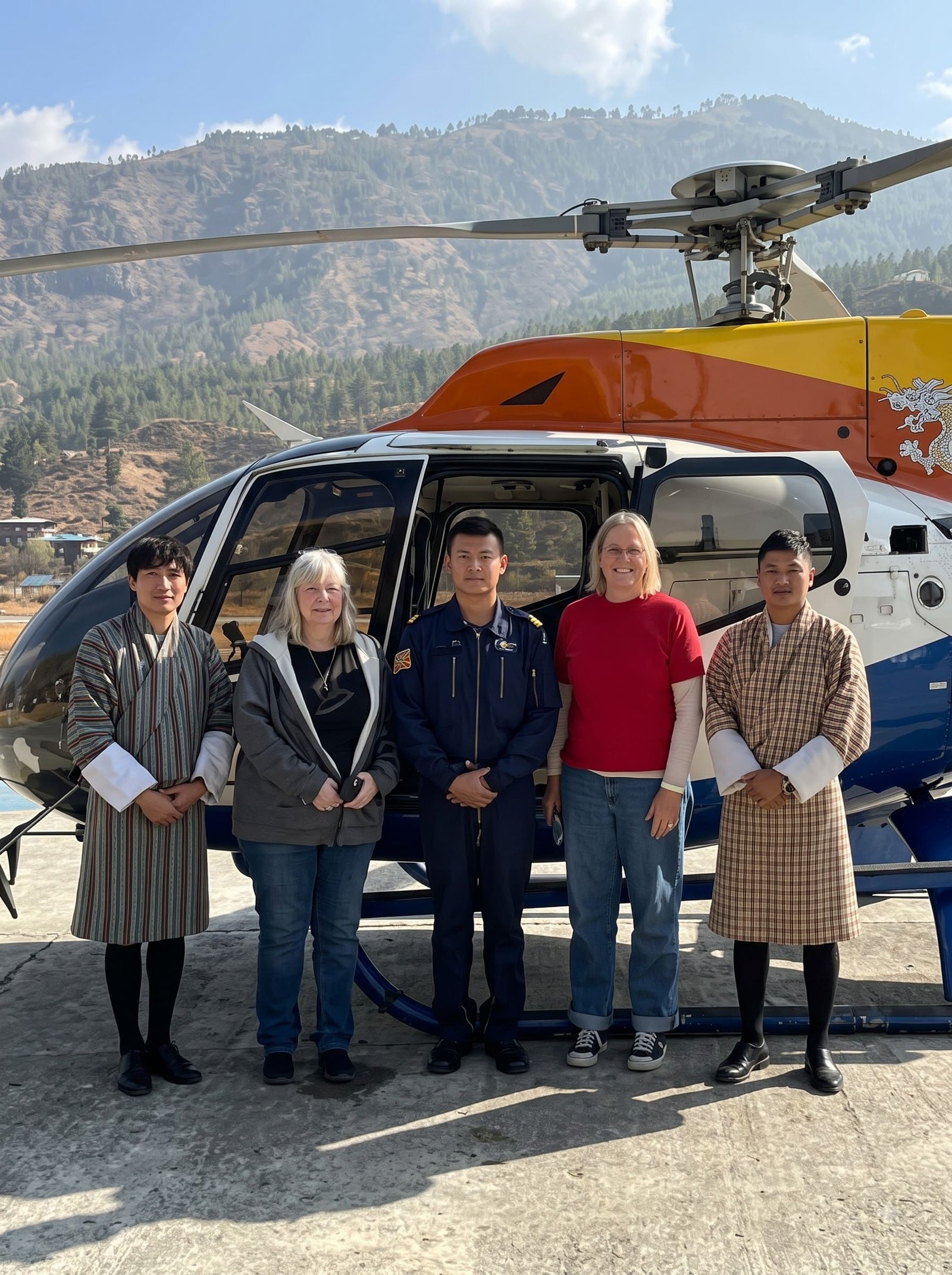
The Boutique Slow Journey
13 Days12 Nights / 13 Days · Paro · Thimphu · Punakha · Phobjikha · remote Trongsa · Bumthang
Made for: comfort-first travelers — premium lodging and pace over coverage
- Boutique stays across the central valleys
- Trongsa and Bumthang at walking pace
- Long drives broken by designed stops
- Premium lodging chosen for atmosphere, not amenity lists
Best for: premium lodging and pace over coverage.
See the day-by-day plan
None of these carries a price tag, by design. Send dates, headcount and departure airport, and the same skeleton returns as a written itinerary with named lines — the only version of a budget worth trusting.
Inclusions: Lines You Don't Pay Separately
Every inclusion is a line you are not billed for on the road. Read them as protection for the budget as much as services:
Inclusions
- Every night's accommodation on the agreed itinerary
- A licensed English-speaking guide for the full route
- Private vehicle and driver throughout
- Visa clearance and all route permits the route requires
- The nightly Sustainable Development Fee, remitted as its own line
- Paro airport transfers at both ends
- Three meals a day across the trip
- Drinking water in the vehicle
- A cultural experience or two, from archery to a hot-stone soak
Exclusions
- International flights to the regional hub
- The regional Paro airfare itself
- Travel insurance with evacuation cover
- Alcoholic drinks and specialty coffees — the small daily lines
- Tips, souvenirs and personal shopping
- Optional add-ons booked along the way
Paperwork That Protects Your Budget
Costs leak through paperwork gaps more often than through prices. Six documents keep the budget honest from quote to landing:
- Written quote with named lines: the fee, services and flight lines spelled out — kept before payment and after.
- Fee and visa receipts: proof the government-set lines were paid exactly as quoted.
- Passport bio page: valid six months past your return date; it anchors every filing.
- Insurance policy naming evacuation: the line most travelers forget to budget attention for until it matters.
- Hotel and flight vouchers: names that match the quote; any drift shows up here first.
- Change-policy copy: what moves and what does not, in the operator's own words.
The unbudgeted line nobody plans. Insurance is the cost travelers forget precisely because they hope never to use it. Check that the policy explicitly names medical evacuation from remote terrain — ordinary trip coverage usually does not — and put the premium in the budget next to the flights. It is the only personal line that can matter more than all the others combined.
The honest answer to what a Bhutan trip costs is a written quote with named lines — anything less is a guess wearing a suit.
Habits That Keep a Bhutan Budget Honest
Six habits, borrowed from travelers whose budgets held. None requires talent; all require one extra email or one honest hour with the quote.
Get two written quotes
Same dates, same party, same tier request, two operators. The comparison teaches you the market faster than any guide could.
Ask for hotel names
Then search them. Ten minutes with the property names tells you more about the services line than a page of adjectives ever will.
Check what the fee line covers
The nightly fee is universal; the visa fee is one-time. Both belong on their own lines, at the current government rate, confirmed in writing.
Count tips and drinks separately
Give the personal layer its own budget line. Ask your operator what travelers usually tip — they will answer plainly and currently.
Watch festival windows
Festival weeks move rooms and flight seats first. If a Tshechu anchors the trip, book around it before spending anywhere else.
Ask about group-size effects
The services line spreads across the party; the fee line does not. See the structure at your actual headcount, not at a generic example.
Frequently Asked Questions: Bhutan Trip Cost
Why is there a nightly fee?
The Sustainable Development Fee is how Bhutan funds public services and conservation from tourism rather than general taxation. It's charged per night to every non-regional visitor, collected through your operator, and appears as its own invoice line. Think of it as a policy instrument rather than a service you're buying — the services are the package built around it, and they're quoted separately.
Why are there no prices on this page?
Because the fee and visa rates are set by Bhutan's government and revised periodically, any figure printed here could be wrong by the time you plan your trip. Written quotes don't have that problem — they carry the current rate as a named line. Ask your operator for one; it costs nothing, and it's the only version of the answer that stays true past the week it was written.
What costs the most on a Bhutan trip?
For most travelers the international flights to the regional hub are the largest single line, with the bundled package services next and the nightly government fee riding alongside per night. None of those are hidden — they're exactly the lines a written quote names. The surprises, when they happen, come from the personal layer: insurance, drinks, tips and the add-ons nobody counted.
Do groups get better value?
Usually, yes — the vehicle, driver and guide serve the group as one unit, so the services layer spreads across more people as headcount grows. The nightly government fee doesn't change; it's the same per person regardless of group size. Ask any operator you're quoting with to show the structure at your actual headcount rather than a generic example, because the difference between the two layers matters.
Are there hidden costs?
Not in a well-written quote. The standard package covers lodging, meals, transport, guiding, permits and the government fee lines; the exclusions list names the rest — international flights, insurance, drinks, tips, optional add-ons. Hidden usually means never asked. Get the exclusions in writing and give the personal layer its own mental budget, and nothing on this trip should surprise you.
Should I tip, and how much?
Tipping is appreciated and not obligatory, and there's no single fixed rule to cite — what's typical moves over time and varies with trip length. Ask your operator what their travelers usually do; they'll give you a practical, current answer without blinking. Keep tips as a personal cash line, separate from the package invoice, and hand them where they're earned along the way.
When do flight prices matter?
More than anything else in the plan, and earlier than you'd expect. Your long-haul routing to the hub moves on airline schedules, and the regional Paro seats are limited — a small number of flights on a small aircraft. Once your dates are firm, book the routing; the fee and package lines will still be there when you get back to them, but hub fares and Paro seats both reward decisiveness.
What refund rules should I expect?
Whatever the contract says, so read it before paying anything. Expect deposits to firm up inside a stated window, the government-set fee lines to follow their own rules once remitted, and weather-related Paro flight changes to trigger rebooking rather than refunds. Serious operators write this down plainly. If the policy only arrives after you've asked twice, that's useful information too.
Ready for a Quote That Reads Like an Invoice?
Send dates, headcount and departure airport, and Druk Yul Journeys will return a written Bhutan trip quote with every line named — the government fees, the services, the flights and the exclusions — so the budget survives contact with the trip. No deposit to start.