

Search "bhutan treks tours" and two audiences talk past each other: trekkers comparing expedition routes, and culture travelers who want the classic circuit with a viewpoint or two. Bhutan rewards both, and — unusually for a Himalayan country — it lets you combine them in one trip without shortchanging either. The valleys of Paro, Thimphu and Punakha hold the dzongs, festivals and farmhouse kitchens; the ridgelines above them hold campsites that see fewer trekkers in a season than better-known Himalayan trails see in a week. Because every visitor travels through a licensed Bhutanese operator with a licensed guide, adding a trail is a planning decision rather than a logistics project: your operator files the permits, hires the crew, and slots the trek where the weather windows allow. This guide walks through the four ways treks and tours combine, what the grades honestly ask of you, how the camp support works, and how operators pace a trip that does both.
Four Ways to Combine Bhutan Treks and Tours
There is no single template for a trek-and-tour trip, and that is the point. The same ten days can hold a dawn climb to Tiger's Nest, a riverside temple and two nights in a mountain tent, or none of the camping at all. The four patterns below cover nearly every combination operators actually build.
Day-hike additions
The lightest touch: add the Tiger's Nest climb, a Khamsum Yulley temple walk or the Phobjikha nature trail to a standard cultural circuit. Every night is in a hotel, every trail is a half-day, and the trip still reads as a tour first.
The short trek
A two- or three-night trek — usually the tail of the Druk Path or a Bumthang valley route — dropped into the middle of a seven- to nine-day circuit. Camping is real, but the commitment stays small and the rest of the trip is unaffected.
The full trek with tour bookends
The Druk Path run whole, from above Paro to the outskirts of Thimphu, with cultural days wrapping the trail. You trade two hotel nights for tents and wake up on a ridge with the whole Himalaya in profile.
Trek-first itineraries
For committed hikers: a longer high-country trek as the spine of the trip, followed by two or three unhurried cultural days in Punakha and Paro to thaw out. The temples feel earned after a week above the trees.
Treks have their own clock. Trek routes run on narrower calendars than dzongs and museums: high trails hold snow late into spring, some routes need registration beyond the standard route permit, and guides are booked by the season. Operators lock trail dates early — often before flights are ticketed — so decide early how central the trek is to your trip and let the cultural days flex around it.
Trek Grades, Stated Honestly
Trek grading is honest in Bhutan but loosely standardized, so it pays to translate. Grades here describe altitude, trail days underfoot and how remote the evacuation story gets — not glamour. Match the row to your training, not your ambitions.
Bhutan treks and tours, by grade
An honest ladder — start where your training actually is, not where you hope it will be by departure
Steady legs and broken-in shoes are enough. Trails like the Phobjikha nature path or the Khamsum Yulley climb take a half-day and end back at a hotel bed.
The classic ridge route between Paro and Thimphu, with two high passes and camps above the trees. Most of the climbing is spread across short, satisfying days.
Serious mountain trekking with real altitude and cold nights, aimed at the close-up views of Jomolhari itself. Only book it if the training has actually happened.
The long Snowman-class routes into the far north ask for serious preparation and deliver serious rewards. Consider them after a shorter Himalayan trek has told you how your body reacts.
Any multi-day trek asks for training started months out: long walks, hills, and a pack on your back. The crew carries the camp, but nobody can carry your fitness.
What Trek Support on Bhutan Treks and Tours Includes
The reason trekking in Bhutan feels different from walking alone elsewhere in the Himalaya is the crew system. Nothing is self-service: a team walks with you, feeds you and moves the entire camp each day. Here is what that support actually covers.
- A licensed trekking guide leadsThe same licensing system that guides your cultural days covers the trail. Your trek guide sets the pace, watches the weather and makes the call on passes and river crossings.
- A cook and camp crew travel with youA cook and helpers walk the route too, leaving camp before you do each morning so the next site is already taking shape when you arrive.
- Pack animals carry the campHorses and mules haul tents, kitchen and duffels between camps, so you walk with a daypack and nothing heavier. Their own handlers load and manage them.
- Tents, kitchen and meals are providedSleeping tents, a mess tent and a kitchen tent come with the package, along with cooked breakfasts, trail lunches and hot dinners. You bring personal gear unless agreed otherwise.
- Permits are filed by your operatorTrek registrations, the route permit and checkpoint paperwork sit with your operator, who files them alongside your visa before you fly. Nothing gets arranged at the trailhead.
- Evacuation coverage is checked before day oneYour operator will ask for insurance that explicitly names high-altitude evacuation before the trek starts. It is not bureaucracy for its own sake — the nearest road can be a long way downslope.
That structure changes the texture of a trekking day. You carry a light daypack, walk at the pace your guide sets, and arrive to a tent that is already standing and a kettle that is already on. The trade is flexibility — camps sit where the route allows, not where a hotel was built — but for most travelers the comfort-per-altitude ratio is hard to beat.
Adding a trek changes the scope of the quote. Crew wages, pack animals, camp equipment and trail food all join the plan once a trek is in, so ask for the trek line to be spelled out separately in the written quote rather than folded into a vague total. The government-set nightly fee applies exactly as on any Bhutan trip, and current figures should always be confirmed in writing — none are printed here.
How Operators Pace a Trip That Does Both
Ask three operators to pace the same trek and you will get three itineraries, all defensible. The differences come down to recovery days, driving distances and how much sightseeing survives the trail. The rows below are the shapes that keep appearing.
Pacing the mix, by trip length
How operators slot trails into cultural circuits without wearing anyone out
Cultural circuit plus day hikes. Recovery is easy because every night ends in a hotel, and the trekking load is measured in hours rather than days.
The Druk Path between two cultural halves. Operators put the recovery day in Thimphu on purpose — the morning after the trail is for hot baths, not monuments.
A four-day high-country trek with the full western circuit wrapped around it. Worth the extra length only if the trek is the point of the trip.
Tshechu dates can anchor either end of a trek. Designers usually sequence the trail first and the festival second, so the courtyard crowds arrive after your legs have earned the show.
Trek-and-Tour Combos That Actually Work
Three working combinations, from hotel-bed-only to a trek-heavy journey. Each is a template your operator will adjust around your dates, the festival calendar and how your legs feel about the whole idea.
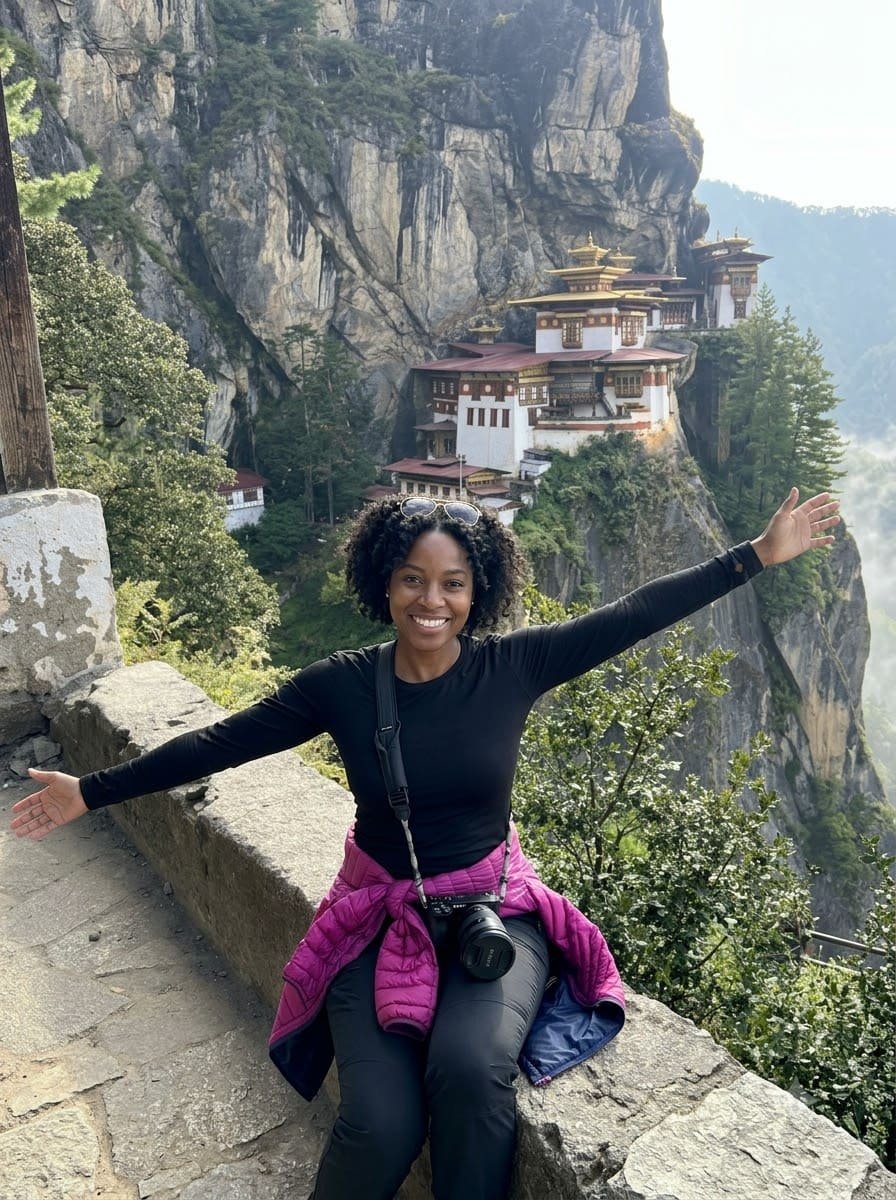
Culture Plus Day Hikes
9 Days8 Nights / 9 Days · Paro · Thimphu · Punakha · Phobjikha
Ideal for: walkers who want the culture too
- Every night in a hotel bed, with trail days folded into the cultural circuit
- The Tiger's Nest climb plus quiet valley walks in three districts
- Khamsum Yulley temple hike above the Punakha rice terraces
- A nature-trail morning in Phobjikha before the drive back to Paro
Best for: a first taste of Himalayan walking without giving up hotels, hot dinners or evenings with a guide who tells good stories.
See the day-by-day plan
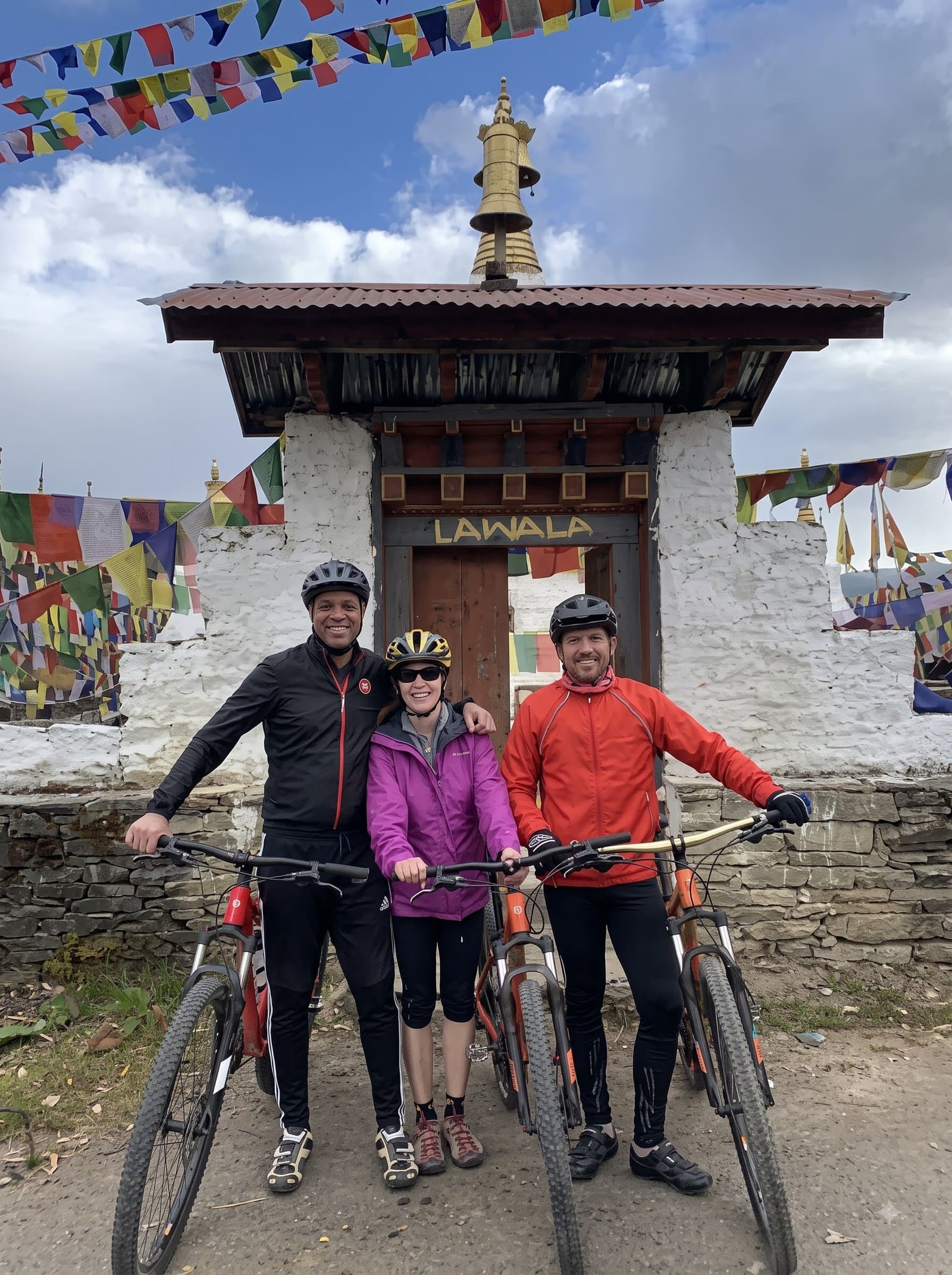
The Druk Path Combo
10 Days9 Nights / 10 Days · Paro · Druk Path Trek · Thimphu · Punakha
Ideal for: real trekkers on a cultural trip
- The classic Druk Path run whole, with ridge camps between two cultural halves
- A Tiger's Nest warm-up the day before the trail starts
- Camp mornings above the clouds and a recovery day in Thimphu after
- Punakha's dzong and river valley to finish, with hotel beds at both ends
Best for: trekkers who want the classic trail with a soft landing on either side of it.
See the day-by-day plan
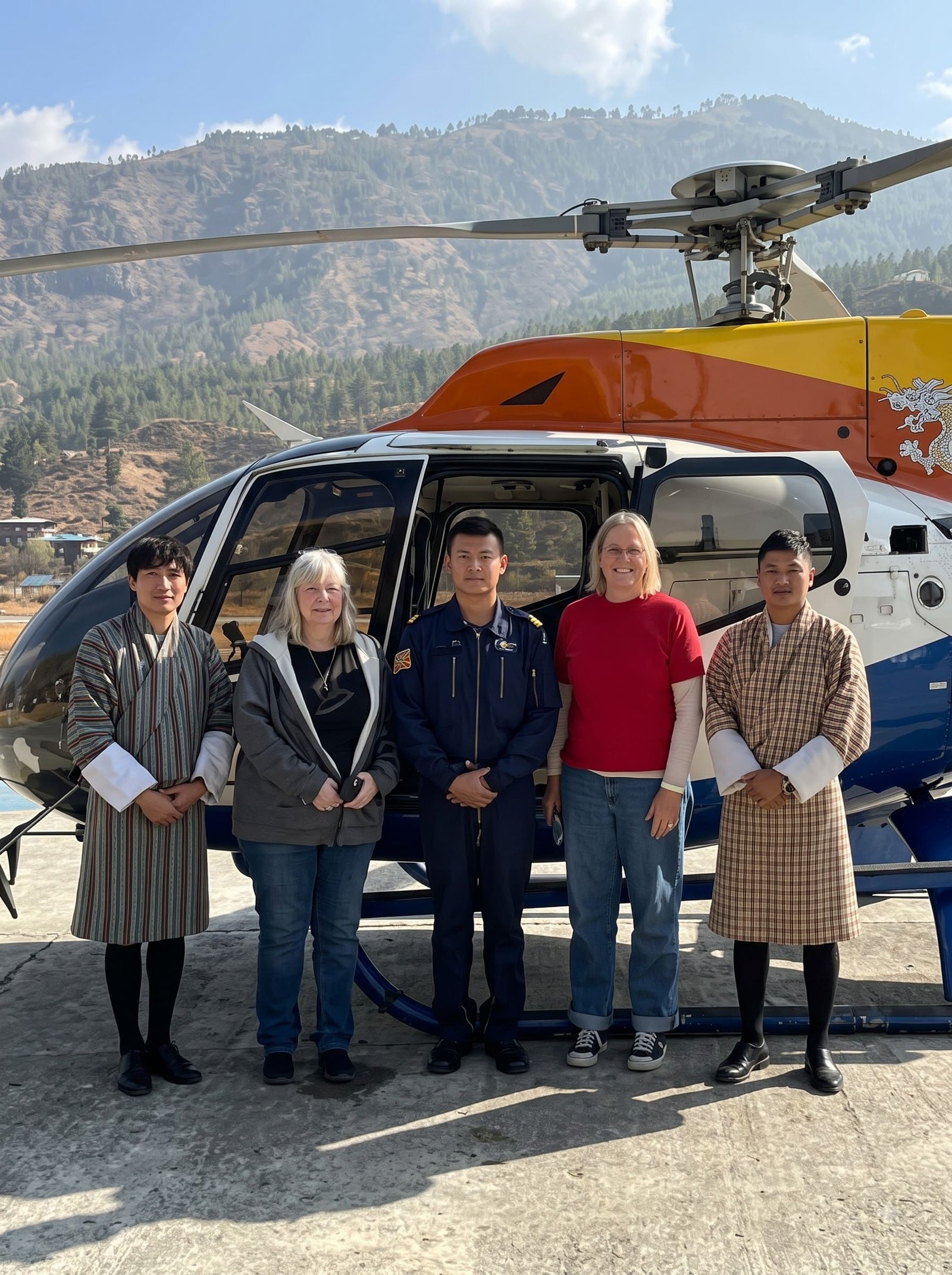
The High-Country Journey
13 Days12 Nights / 13 Days · Paro · High-Country Trek · Thimphu · Punakha · Phobjikha
Ideal for: committed hikers
- A four-day high-country trek with the full camp crew and pack train
- Big ridges, real remoteness and a guide watching the weather daily
- The western classics — Thimphu, Punakha, Phobjikha — as the cool-down
- Bookend nights in Paro on both ends of the trip
Best for: big ridges plus the western classics, in one carefully paced journey.
See the day-by-day plan
Treat these three as starting points, not contracts — swap valleys, lengthen a trek, or bolt a festival day onto either end. Send your dates, group size and departure city, and a designer will reply with a written itinerary and quote before any deposit enters the conversation.
When the Trails Open: Trekking Windows by Month
Treks run on a narrower calendar than cultural sites, and the difference matters more than any brochure suggests. Spring and autumn own the ridges, winter closes the high routes, and the monsoon turns trails into streams. The bars below read as trekking clarity, not general weather.
Trekking windows & booking pressure, by month
Higher bar = clearer skies on the ridges, and heavier competition for guides and rooms
If your heart is set on a specific trek, let the trail pick the month rather than the reverse. October delivers the classic post-monsoon clarity and the busiest ridges, while late September and early November trade a little haze for a lot of quiet. Winter trekkers drop to the low routes and share them mostly with villagers and the odd crane.
What Trek-and-Tour Packages Include and What They Don't
A trek-and-tour package is a standard Bhutan package with a second engine bolted on: the camp system. The baseline inclusions carry over, the trek adds its own layer, and a few things stay firmly outside the quote.
Inclusions
- All accommodation: valley hotels plus the full camp system on trek
- A licensed guide from the first dzong to the last pass
- Cook, helpers and horsemen for the trekking days
- Sleeping tents, mess tent, kitchen kit and cooked trail meals
- Visa processing, route permit and trek registrations, filed before you fly
- The government-set Sustainable Development Fee for every night of the trip
- Arrival and departure transfers at Paro airport
- Three meals a day from landing to takeoff
- One post-trek recovery treat, such as a farmhouse hot-stone bath
Exclusions
- International flights and the regional flight to and from Paro
- Personal trekking gear — boots, sleeping bag, down jacket and daypack — unless arranged in advance
- Travel insurance that covers high-altitude evacuation
- Alcoholic drinks and bar items
- Museum tickets beyond the itinerary and optional extras such as rafting
- Extra nights caused by weather-delayed flights into or out of Paro
Documents and Cover You Need Before a Trek
The paperwork for a trek-and-tour trip is the standard Bhutan list with trek registrations added on top. Your operator files all of it in advance; your job is to arrive with the right documents and the right cover. The list below is what belongs in your folder.
- Valid passport: six months clear of your planned return date.
- Bhutan visa clearance: filed by your operator before tickets are issued, and stamped on arrival.
- SDF and visa fee receipt: carry it with your visa printout through the trip.
- Trek registration and route permit: arranged in advance by your operator and checked at trailheads.
- Travel insurance naming high-altitude evacuation: confirm the policy wording, not just the brochure.
- A doctor's note for cardiac or blood-pressure conditions: worth carrying if you have one.
Evacuation coverage is non-negotiable on treks. A standard policy that covers trip cancellation and lost luggage may still exclude medical evacuation from a mountain valley, where the nearest road can be hours away. Before you fly, check that your policy explicitly names high-altitude evacuation and helicopter rescue, and keep the emergency assistance number with your trek papers rather than buried in your inbox.
Bhutan lets you hike a Himalayan ridge and still sleep in a valley town — no other trekking country offers that handshake.
Practical Tips for Mixing Trails with Temples
Break the boots in early
Your boots should be old friends before they meet Paro's cobblestones. New boots on a multi-day trek turn blisters into the trip's main memory, and the nearest shop is a valley away.
Walk with less
The pack animals carry the camp, not your indecision. Keep your daypack to what you will actually touch between breakfast and camp, and your knees will thank you by day three.
Anchor the trek first
Trail dates anchor the whole itinerary because of seasonal windows and permit lead times. Settle the trek with your operator early, then polish the cultural days around it — not the other way round.
Be honest about altitude
Walk slowly above the trees and say so when something feels off. Guides would rather shorten a stage than test anyone's stubbornness, and the mountains will still be there tomorrow.
Layer, do not bulk up
Valley mornings and ridge nights sit in different seasons on the same day. A proper layering system handles both better than one heroic jacket you will barely wear.
Plan a soft day after
Ask your operator to schedule a recovery day with hot baths and short walks once the trek ends. It resets your legs and lets the last cultural days feel like a reward instead of a march.
Frequently Asked Questions: Bhutan Treks and Tours
How fit do I need to be for a trek-and-tour combination?
It depends on which combination you choose. Day hikes ask for comfortable walking fitness and nothing more. The Druk Path suits anyone who hikes a few times a month, while the longer high-country routes demand months of training. Tell your operator honestly how you train and they will point you at the right grade rather than the prettiest brochure route.
What is the best beginner trek in Bhutan?
The Druk Path is the usual answer, and for good reason: it is a moderate ridge walk between Paro and Thimphu with camps placed at sensible stages, so the days stay short enough to enjoy. If you would rather test yourself without committing to tents, start with the day-hike additions and let your guide judge whether a trek makes sense on a future trip.
How comfortable is camping on a Bhutan trek?
More comfortable than most first-timers expect. A crew walks ahead and pitches your sleeping tent, a mess tent and a kitchen tent before you reach camp, and a cook prepares hot meals three times a day. You will not confuse it with a hotel — nights get cold and showers do not exist on trail — but the camp system is built and refined around guest comfort.
Will altitude be a problem on Bhutan treks and tours?
The valley towns sit at a moderate elevation and most visitors adjust easily, but trek routes climb well above the trees. Guides pace the days to help your body adapt, watch everyone for altitude signals, and would rather shorten a stage than push a guest too high too fast. Anyone with cardiac or blood-pressure concerns should get a doctor's clearance before booking.
What gear is provided on a Bhutan trek?
The operator carries the camp: sleeping tents, mess tent, kitchen equipment, food and cooking fuel, all hauled by pack animals. Personal items — boots, clothing layers, sleeping bag, headlamp and daypack — are normally yours to bring, though sleeping bags and down jackets can often be arranged on request. Your operator sends a packing list once the trek is confirmed, so ask for it early.
When is trekking season in Bhutan?
Two windows dominate: spring and autumn. Spring brings warming trails and rhododendron bloom at the middle heights, while autumn offers the clearest skies of the year and the most reliable views from the ridges. High routes can hold snow into early spring, and the monsoon months make trails slick and views unlikely, so plan treks in the windows and keep the cultural days flexible around them.
Can a non-hiking partner join a Bhutan treks and tours itinerary?
Yes, and it is one of the quiet strengths of the system. A partner can sit out the trek days with cultural visits and hotel comforts, then rejoin you at the trail's end, since the vehicle and guide remain available for the non-trekking days. Couples and friend groups use this split all the time — agree on it during planning so the itinerary is built around both of you.
Are day hikes enough for most travelers?
For many, honestly, yes. The Tiger's Nest climb, the Khamsum Yulley temple walk and valley trails like the one in Phobjikha give you real Himalayan walking without camping, and they leave evenings free for dzongs and farmhouse dinners. If you finish a week of those wishing for bigger ridges, that is the moment to plan the Druk Path on your next trip rather than cramming it in.
Ready to Blend a Trek into Your Bhutan Tour?
Send your travel dates, group size and departure city, and tell the designer how many days you want under canvas versus under a roof. You will get a written itinerary with the trek and tour days clearly split, a transparent quote, and no deposit until the plan actually fits.