
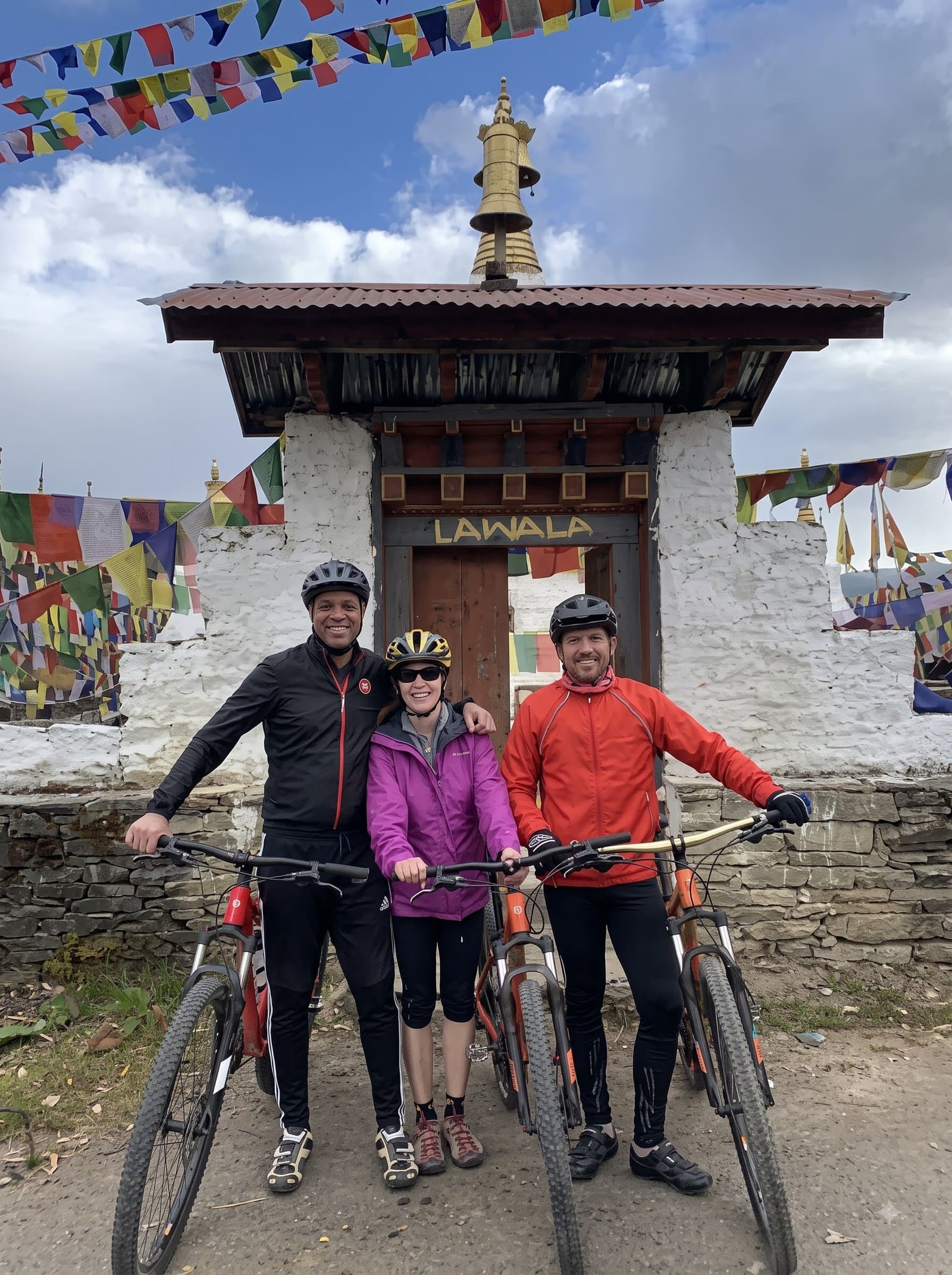
Most trips fail in the joins, not the destinations, and a Bhutan travel trip has more joins than most: home to hub, hub to the mountains, then a loop of valleys where every transfer is a mountain road with weather opinions of its own. Travelers who structure those joins deliberately get a journey that feels planned; travelers who stack connections optimistically get a trip that feels like an apology. The mechanics are learnable in an afternoon. This page covers the five legs every trip shares, the buffers that make them safe, the honest drive times between valleys, how to manage altitude and pace, and three structured trips — tight, buffered and deep — that show the mechanics at work.
The Five Legs of Every Trip
Strip any Bhutan itinerary to its skeleton and five legs remain. Name them, plan them, and the country between them takes care of itself.
Leg one: home to the hub
The long-haul to Bangkok, Delhi, Kathmandu or Singapore. It ends, deliberately, a night before the next leg begins — that hotel night is the cheapest insurance you will ever buy.
Leg two: hub to Paro
The regional hop on Drukair or Bhutan Airlines, landing in morning windows. Short, scenic and weather-sensitive — treat it as the trip's real starting line.
Leg three: the valley loop
The overland heart of the trip: Paro, Thimphu, Punakha and beyond, moving by private vehicle with driver, one valley at a time. Every day here is designed, not improvised.
Legs four and five: the mirror home
Paro to hub, hub to home — the same journey reversed, and just as weather-dependent. Smart trips load the slack here rather than gambling the last night.
Why Paro gets its own rules. The airport sits in a valley threaded between ridgelines, so flights land in morning windows and weather has the final word on any given day. That single fact shapes everything downstream: the arrival buffer at the hub, the morning departure preference, and the empty evening on your last night that exists purely because the mountain might say not today.
Where the Buffers Go, and Why
Buffers are not wasted nights; they are the load-bearing walls of the itinerary. Five placements cover nearly every weather and fatigue scenario Bhutan can produce.
The five buffer placements
Where slack lives in a well-built trip — and what each placement absorbs
Absorbs a delayed long-haul, gives you a real sleep in a real bed, and lets the Paro flight be a morning errand rather than a scramble.
Paro departures slip for fog and wind; a late long-haul or an overnight at the hub keeps that slip from swallowing your reentry into work.
On itineraries past nine nights, an unstructured valley day resets legs and appetite alike — and quietly absorbs any weather debt the road has run up.
Never schedule a long mountain drive on the morning of a Paro flight. Sleep near the valley the night before; the rule has saved more itineraries than any other.
Festival courtyards run on their own clock. A day of slack either side turns a fixed date from a stress point into the highlight it deserves to be.
Honest Drive Times Between Valleys
Distances on the map lie about Bhutan, kindly but completely. What follows is what the drives actually feel like, leg by leg.
Paro to Thimphu — the warm-up
Under two hours on the country's smoothest highway, lined with dzongs and stitched settlements. It eases you into mountain driving without asking anything dramatic of your stomach.
Thimphu to Punakha — over the pass
Dochula's switchbacks and chortens, then a long green descent to subtropical river country. Call it half a day, with the tea stop the view demands.
Punakha to Phobjikha — the Pele La climb
Back up into pass country, then down a quiet side valley of dwarf bamboo and crane fields. The road narrows; the payoff widens.
On toward Bumthang — a full day
Phobjikha to Trongsa to Bumthang is the trip's big drive day, gorge views and pass crossings stacked for hours. Broken properly, it becomes the story you tell.
Maps flatter the road. A distance that looks like a morning on the map can be a full day of switchbacks, and the schedule that ignores this turns drivers quiet and passengers green. Trust the operator's drive times over the atlas, start early, and let the stops happen where the view insists — the road is part of the tour, not the tax on it.
Altitude and Pace Management
Bhutan's valleys sit high enough to notice and low enough to manage. Six habits keep your body on the itinerary's side.
- Land moderate, climb gradualParo and Thimphu sit at heights your body can negotiate on arrival; the higher passes come later in the trip, after the acclimatization has quietly happened.
- Keep the first evening easyResist the temple sprint on day one. A short walk, an early dinner and a long sleep do more for day two than any itinerary edit.
- Drink more water than usualHigh, dry and busy days dehydrate you faster than the same day at sea level. The water bottle rides in the vehicle for a reason; use it constantly.
- Take sun protection seriouslyAt elevation the UV runs strong even on cool days — sunscreen, sunglasses and a hat belong in the daypack, not the suitcase.
- Let the guide set hiking paceOn Tiger's Nest and every trail after, the guide's rhythm is calibrated for the altitude. Matching it feels slow for an hour and smart by the summit.
- Know the early warning signsHeadache, nausea and unusual fatigue mean descend and rest, not push through. Tell the guide early — flattening a day is easy; rescuing one two days later is not.
None of this is medical drama — Bhutan's touring altitudes are moderate by Himalayan standards, and thousands of visitors negotiate them annually without incident. The habits above are simply what the difference between a comfortable week and a headachy one looks like when written down.
Insurance is not an entry rule — bring it anyway. Bhutan does not require travel insurance at immigration, but the sensible traveler carries a policy that explicitly names medical evacuation from remote valleys, because the nearest major hospital is hours away on the long legs. Buy it before departure, share the certificate with your operator, and keep a printed copy with your documents.
Structured Trips, Three Tempos
The same mechanics scale to three very different tempos. Each card below is a structure, not a script — the nights move, the buffers stay.
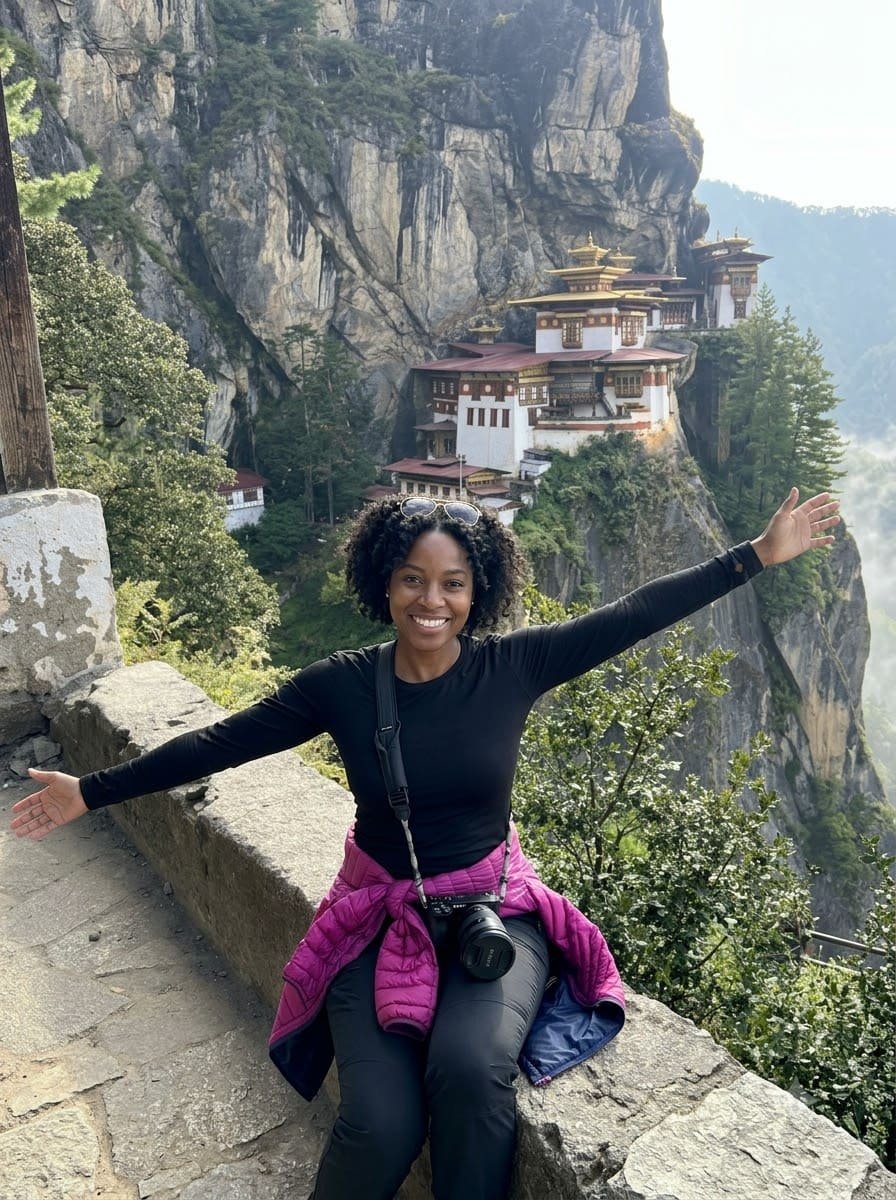
Tight and Doable
7 Days6 Nights / 7 Days · Paro, Thimphu and Punakha
Built for: short windows that still want the full loop
- One hotel change per valley, no more
- Tiger's Nest early on day two
- Dochula crossing kept to the morning
- Evenings unhurried by design
Best for: one valley per hotel change and a week that never sprints.
See the day-by-day plan

The Buffered Classic
10 Days9 Nights / 10 Days · Paro · Thimphu · Punakha · Phobjikha
Built for: travelers who want breathing room built in
- Two nights in every valley on the loop
- A built-in valley day at Phobjikha
- Drive mornings, slow afternoons
- Weather debt absorbed by design
Best for: weather-proofing the western loop without losing any of it.
See the day-by-day plan
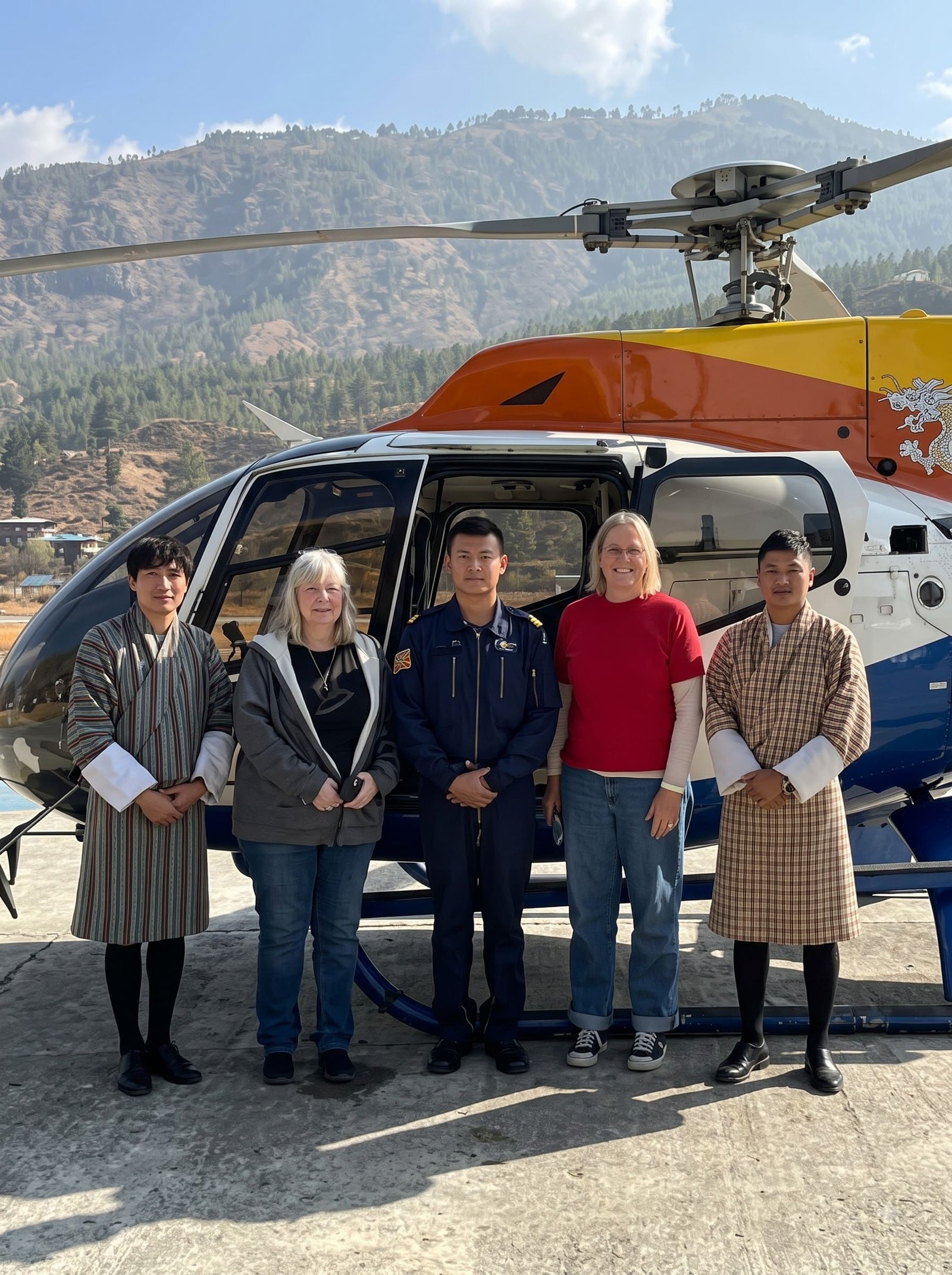
The Deep Loop
13 Days12 Nights / 13 Days · Paro · Thimphu · Punakha, then Phobjikha · Trongsa · Bumthang
Built for: the full loop and its long drive days
- The complete western-and-central circuit
- Gorge country and Trongsa's layered dzong
- Two nights in temple-dense Bumthang
- Long drives rewarded, never rushed
Best for: travelers who accept long drive days for deep rewards.
See the day-by-day plan
These are structures, not products. Send your dates, headcount and appetite for road time, and the same mechanics return as a written itinerary — with the buffers placed where your particular trip needs them, not where a template puts them.
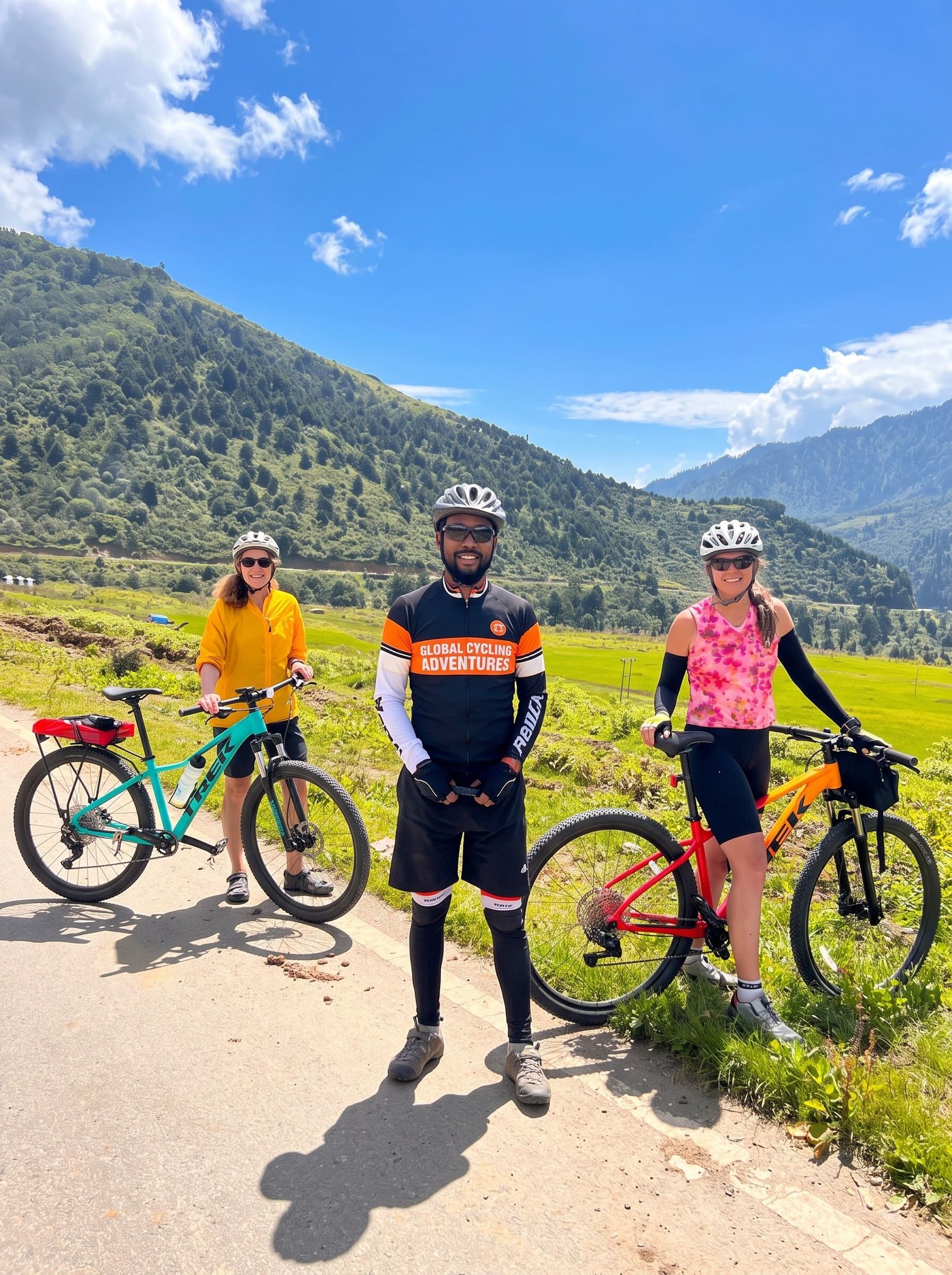
Seasons Change the Road, Too
Weather does not just change what you see — it changes what the road asks of the trip. The same loop runs differently through the calendar.
The road through the year
Bar height tracks sky clarity; the notes track what the road is doing
Monsoon is the honest caveat: June through August, the central roads can lose a day to a landslide, which is exactly why long summer itineraries carry fatter buffers. Winter shortens the useful daylight. Neither kills the trip — they just change what a well-structured one promises.
The Logistics Your Operator Carries
A structured trip runs on logistics most travelers never see. Here is what the operator's machine covers — and what stays on your side of the fence.
Inclusions
- Accommodation booked for every structured night
- Licensed guide accompanying the party daily
- Private vehicle with dedicated, route-experienced driver
- Full board: breakfast, lunch and dinner
- eVisa filing and Route Permit arrangements
- The nightly Sustainable Development Fee at the government rate
- Paro airport transfers at both ends
- Bottled water and packed lunches on drive days
- On-the-road plan-B decisions when weather moves
Exclusions
- International legs and the Paro airfare
- Gateway hotel nights before and after
- Travel insurance with evacuation cover
- Alcoholic drinks and personal spending
- Gratuities for guide and driver
- Costs from flight disruptions beyond the tour
Documents for the Long Way In
A trip with five legs crosses more desks than a beach vacation. Six documents keep every handoff short.
- Passport: valid six months beyond your return, with room for two countries' stamps.
- eVisa approval copy: printed for the Paro desk; the operator files it.
- SDF and visa receipts: the paper trail for fee payments, kept with your documents.
- Route Permit: covers every valley beyond Paro and Thimphu; the guide holds it.
- Insurance certificate: naming medical evacuation, shared with the operator pre-departure.
- Written itinerary: the agreed structure, handy at checkpoints and hotel desks alike.
The one document you buy yourself. Operators file visas and permits; nobody can file your insurance. Choose a policy that explicitly names medical evacuation from remote valleys — not just hospital treatment — and share the certificate before any high-pass or long-drive day. It is the quietest purchase on the trip and the only one you hope never to use.
Distance in Bhutan is measured in switchbacks, not miles — structure the trip around the road, and the road becomes the highlight.
Pacing Tips for a Longer Journey
Six pacing habits that keep a multi-leg trip feeling designed rather than endured.
Give day one nothing to prove
The first day's job is arrival, water and an early night. A rested traveler sees twice as much on day two — the itinerary knows this even when your enthusiasm does not.
Count door-to-door days
A seven-day tour is five on the ground once the flights are counted. Plan from the days you actually have, not the days the calendar wishes you had.
Alternate big and small days
A pass crossing earns a quiet afternoon; a hike day earns a town evening. Rhythm beats intensity across a week.
Trust the driver's clock
Mountain timings are learned, not calculated. When the driver says leave early, the reason reveals itself an hour later at a viewpoint you would otherwise have missed.
Keep a weather day in you
Hold one mental spare day. If the road never claims it, it becomes your favorite afternoon; if it does, it becomes the reason the trip still worked.
Log the small wins
Note the tea stop, the archery match, the roadside singing. On a long trip the headlines take care of themselves; the notes are where the trip actually lives.
Frequently Asked Questions: Bhutan Travel Trip Structure
Why do buffers matter so much?
Because the trip has two weather-dependent flights and a road network that answers to the sky. A buffer turns any single disruption into a scheduling note instead of a cascade — the gateway night absorbs a late long-haul, the return window absorbs fog at Paro, and the rest of the itinerary never notices.
What happens if the Paro flight is delayed?
The airline moves you to the next workable departure, and your operator re-sequences the itinerary around it — usually compressing a drive or shifting a sightseeing day. This is routine on this route, which is exactly why well-built tours carry the buffers described above and why the operator holds the rebooking relationships.
Is the driving tiring?
The drives are mountain drives: winding, slow and spectacular. With an early start, regular stops and a driver who knows every curve, a half-day transfer feels like an excursion, not an ordeal. The trips that feel tiring are the ones that pretend the map is honest.
Should I worry about altitude?
Not much, if the trip is structured. You land at moderate elevations, climb gradually and reach the high passes only after days of acclimatization. Guides watch for the early signs of trouble, pace the hikes and can flatten any day. Most travelers feel the altitude as a nudge, not a wall.
Are the roads safe for motion sickness?
They are winding, so pack what works for you — bands, tablets or the front seat, which helps enormously. Tell the guide early; they will schedule the curvier legs for mornings, keep stops frequent and hand you the seats with the best horizons. The roads are manageable with a little planning.
Is there night driving?
Essentially none on a well-built itinerary. Drivers start early precisely so that every transfer finishes in daylight — mountain roads after dark are avoided out of caution, not law. If a delay pushes an arrival late, the pace bends rather than the principle.
How is connectivity on the road?
Good in the towns, patchy between them. Thimphu and Paro carry strong mobile coverage and hotel wifi; valley roads run in and out of signal. Download offline maps before drive days and treat the quiet hours as part of the trip — the guide's phone remains the reliable channel for the practical stuff.
Can I add a rest day mid-trip?
Yes, and longer itineraries almost expect it. A rest day costs one valley night and buys back attention for everything after it — say where you want it and the operator rebuilds the structure around it, ideally in a valley worth being still in, like Phobjikha or Punakha.
Ready to Structure a Trip Without the Rush?
Send us your dates, your party size and how much road you genuinely enjoy. Druk Yul Journeys will build the five legs, place the buffers where they earn their keep, and return a written itinerary with the government-set fees confirmed in writing — no deposit to start the conversation.