
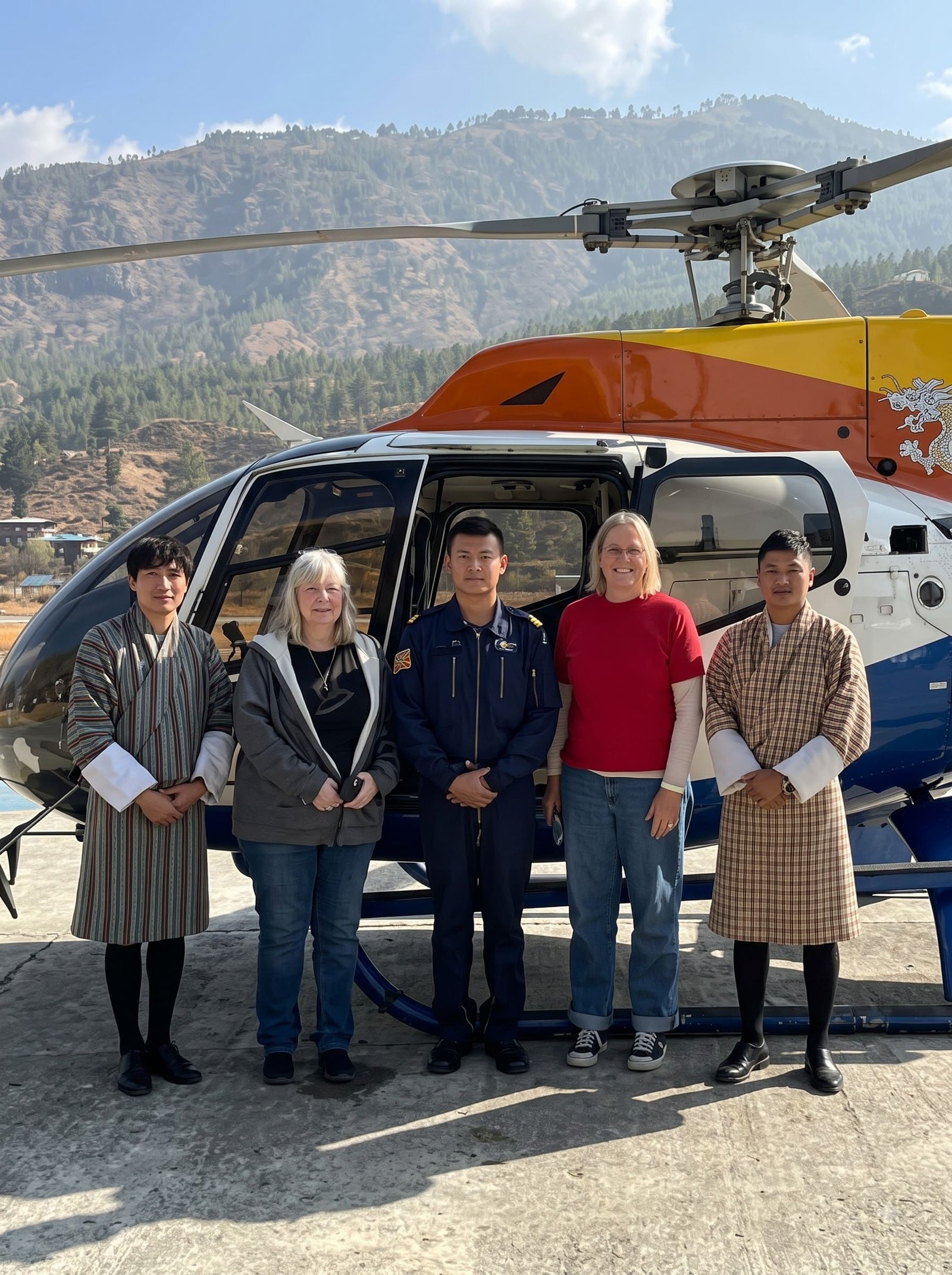
Every Bhutan trip is, underneath the sightseeing, a sequence of valleys. You sleep in one, drive to the next, and the country reveals itself in the transitions — the pass between Thimphu and Punakha, the climb to Phobjikha's bowl, the long gorge road into Trongsa. So the most useful way to plan is not a list of monuments but a map of Bhutan travel places, understood valley by valley. This page is that map. Six working valleys appear in the order most itineraries meet them, each with its personality, its anchor sights, and its honest night count. Two places beyond the usual circuit follow, then the pairings that make routes work, the month-by-month texture of each valley, and three packaged routes that put the geography to work. By the end you will be counting nights the way a local operator does.
Bhutan Travel Places: Six Valleys, Six Personalities
Valleys are the unit of Bhutanese travel. Each one below earns its place on an itinerary for a different reason, and knowing which reason matters to you is most of the planning.
Paro
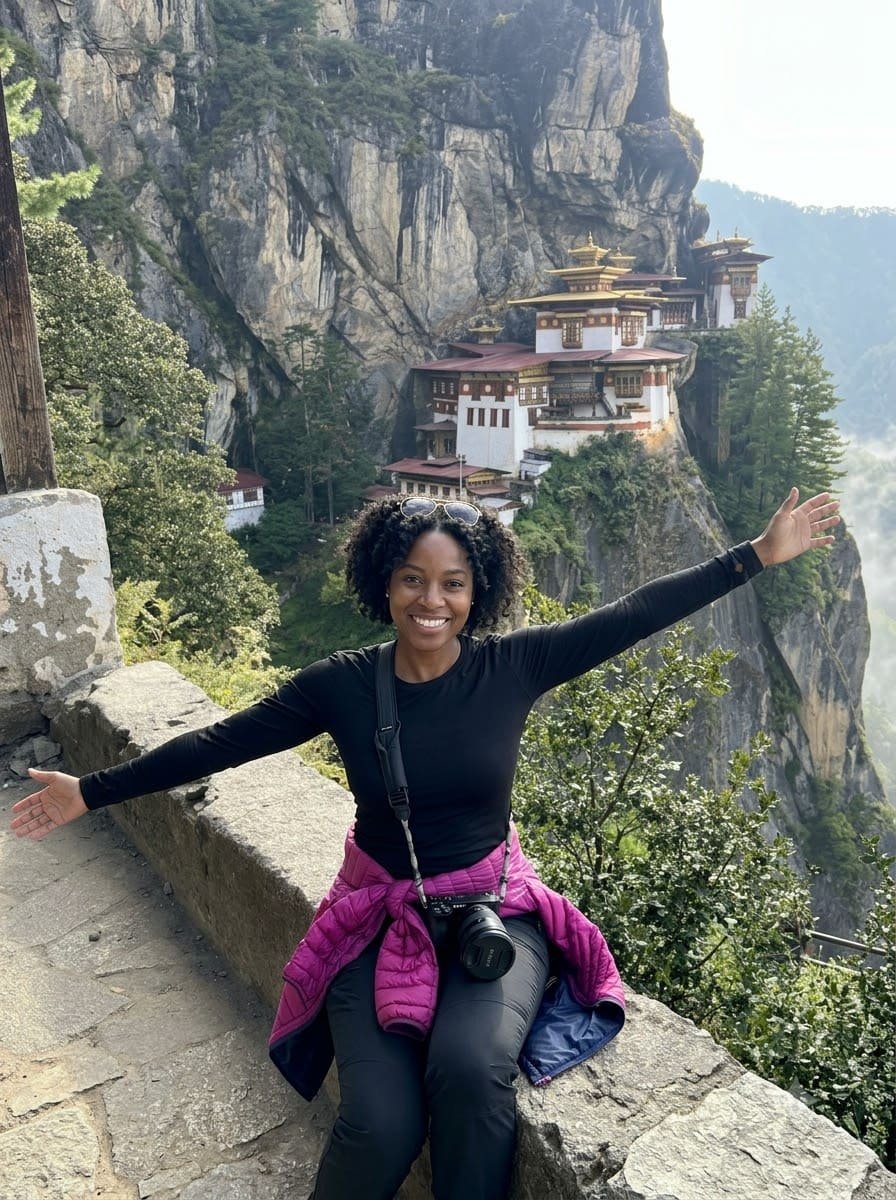
The arrival valley and the cliff monastery. A fortress, a museum, rice terraces and the hike that anchors most trips, all inside a short radius. It is also where the flights bookend everything, which gives its evenings a natural begin-and-end rhythm.
Thimphu
The small capital that behaves like a town: a ridgeline Buddha, a working dzong, craft studios, archery grounds and a weekend market with real produce. It is the one place in Bhutan with a discernible pulse after dark.
Punakha
Subtropical river country below the pass. The great riverside fortress, the long suspension bridge, a fertility temple reachable through rice fields, and evenings warm enough to sit outside — a genuine change of climate within a short drive.
Phobjikha
The wide glacial bowl where black-necked cranes winter. Rim trails, a monastery on the ridge, villages of stone and timber, and a silence so complete it becomes the attraction. Two nights is the honest measure.
Trongsa
The gorge and its watchtower. The fortress here historically gated the road east, and the modern highway still threads past it. One long visit and a night's rest make the eastern drive feel like a story rather than an ordeal.
Bumthang
The spiritual heartland of four valleys: temple after temple, butter lamps, buckwheat fields and farmhouse evenings. It asks for the longest drive and repays it with the country's quietest, oldest atmosphere.
How the Bhutan Travel Places Pair Into Routes
Valleys rarely travel alone; routes are built from pairings. The five below cover nearly every sensible itinerary ever run in this country, and each has a logic worth stealing for your own plan.
Pairings that make a route work
The order valleys meet each other matters as much as the list
The natural opening: the arrival valley with its fortress and hike, then the capital an easy drive away. Most itineraries start here, and rightly so.
Warmth and river country reward the crossing. Punakha sits lower than the rest, so it makes a pleasant contrast to the crisp capital mornings.
The quiet hinge between the western circuit and the central valleys. One night covers arrival; the second is for trails, cranes and silence.
The gateway fortress stop on the long road east — history ran through its courtyard, and today's highway still does, roughly speaking.
The deep-dividing line between kinds of trips: go and the journey becomes an expedition; skip it and the week stays comfortably western. Both are correct.
How Many Nights Each Valley Deserves
Night counts are where itineraries are won or lost. Too few and you meet the valleys from a car window; too many and the schedule sags. Six honest counts below.
- Paro: two to three, with the hikeThe arrival valley deserves two nights at minimum, three with the monastery climb and a fortress afternoon. Flights bookend the stay regardless.
- Thimphu: one to twoOne night covers the Buddha, the dzong and a good dinner; two adds workshops, the market and a slower pulse. Families usually prefer two.
- Punakha: one to twoThe warm valley earns its nights — fortress, bridge, temple walk. Two turns the drive day into two easy halves instead of one long one.
- Phobjikha: one to two, for the silenceOne night if the valley is a stop; two if it is a destination. The rim trails and the quiet evenings reward the second choice.
- Trongsa: usually one en routeA rest stop with a magnificent fortress attached. One night, one long dzong visit, and the road east feels shorter the next morning.
- Bumthang: two if you go at allThe heartland is too far for a single night. Two is the floor — temple valleys, the lake, a farmhouse evening — or the drive owns you.
Counted honestly, the western core — Paro, Thimphu, Punakha — fills a comfortable week. Every additional valley adds a night and a half on average once the drives are counted, and that arithmetic, more than any sight list, is what actually sizes a Bhutan trip.
On the government-set lines: the nightly Sustainable Development Fee and the one-time visa fee are set by Bhutan's government and revised periodically, so no figures appear on this page. Ask your operator to confirm the current rates in writing — and note that the nightly part applies in every valley equally, so the valley you choose changes the trip, not the fee.
Two Places Beyond the Usual Circuit
The six valleys above carry the overwhelming majority of itineraries. Beyond them sit places that ask for more time and give more stories — worth naming, even for travelers who will sensibly save them.
Haa Valley
The quiet road south of Paro crosses a pass, drops into a small valley of buckwheat fields and horsemen, and returns by evening. Few itineraries bother; that is precisely its charm on a clear day.
Mongar
The eastern hillside town marks where the long road stops being a detour and becomes a journey — cliffs, weavers and a dzong rebuilt by hand, for the few who go this far.
Trashigang
The east's biggest name sits above a river gorge, a full day beyond Mongar and a world away from the western circuit. Repeat visitors talk about it the way first-timers talk about the monastery.
Samdrup Jongkhar
The eastern exit door on the Indian border, where a complete crossing of the country ends in subtropical heat. Some routes finish here rather than doubling back — a grand one-way line across Bhutan.
Eastern routes need real time. Beyond Trongsa the drives stretch, the hotels thin, and a full eastern loop wants the better part of another week. Most first trips rightly save it — Bhutan is a country that rewards a return, and the east is what the return is for.
Valley Routes as Packages
Three routes, one spine. Each below runs through a licensed operator with guide, vehicle and permits handled, and each is counted in nights per valley — the honest unit of Bhutanese planning.

Three-Valley Classic
7 Days6 Nights / 7 Days · Paro, Thimphu, then Punakha
Ideal for: a first valley sweep on one week of leave
- The classic trio, sequenced the way guides actually drive it
- The monastery hike on the first full morning, jet lag be damned
- Dochula crossed in daylight, both directions
- Every night pre-counted by valley, hotels named in writing
Best for: the classic trio in one week — the shortest trip that still feels like the whole country rather than a sample.
See the day-by-day plan
Four-Valley Nature Route
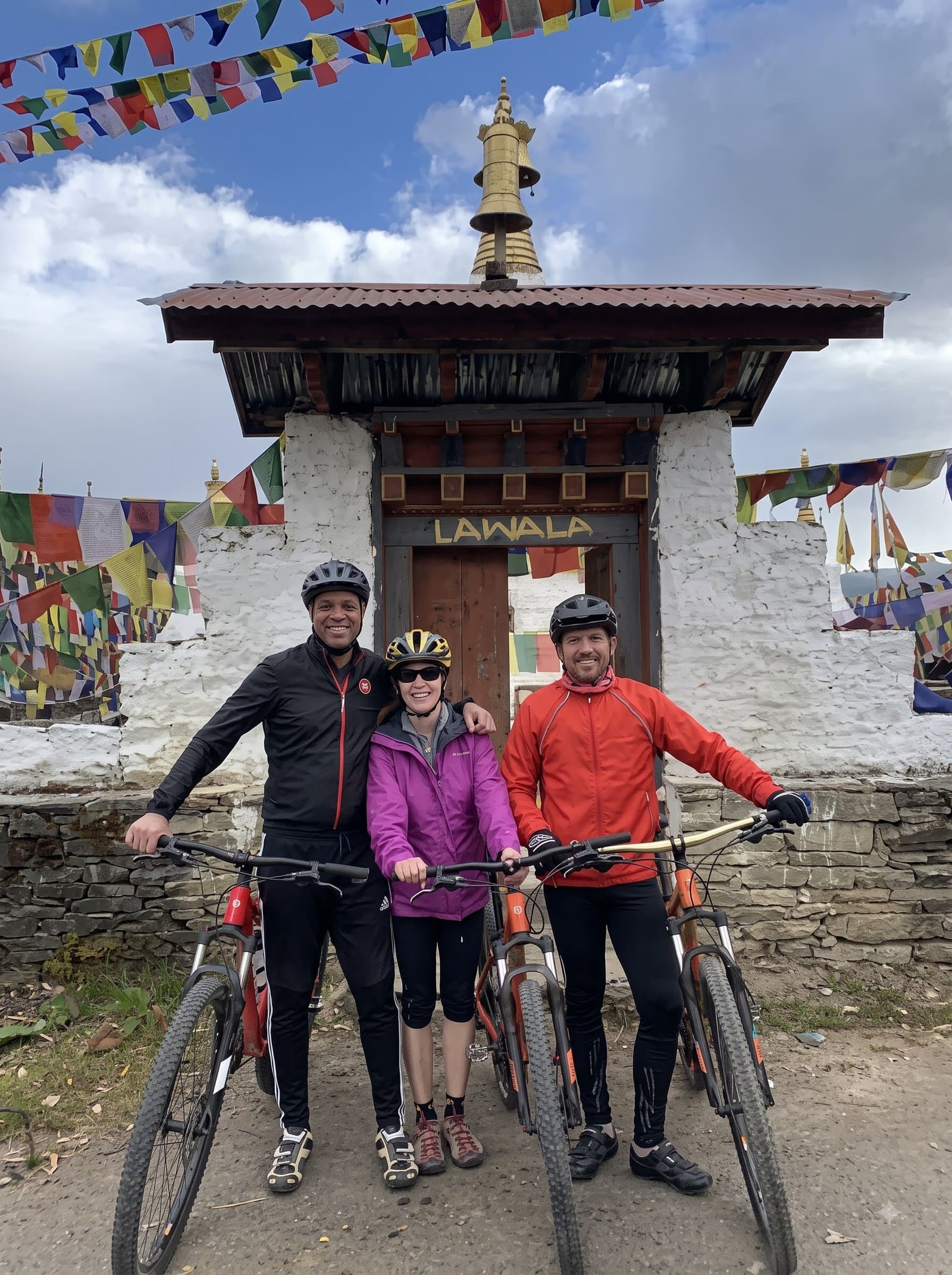
10 Days9 Nights / 10 Days · four valleys: Paro, Thimphu, Punakha, Phobjikha
Ideal for: valley slow-travel with birds and trails
- Two full nights in the crane valley, trails included
- Nature walks swapped in wherever a second museum would sit
- Farmhouse lunch kept as a fixed point of the week
- Season matched to your priority — birds, blooms or silence
Best for: cranes, trails and quiet floors — the nature-first reading of the classic route, with the valleys given room to breathe.
See the day-by-day plan
Six-Valley Journey
13 Days12 Nights / 13 Days · Paro to Bumthang via six valleys
Ideal for: the whole spine in a single, well-paced run
- All six working valleys, west to central, one journey
- The gorge fortress at Trongsa given its full due
- Bumthang's temple valleys at an unhurried two nights
- The return leg split so the long drive never dominates
Best for: one trip instead of two — the travelers who would rather see the whole spine once, properly, than sample it twice.
See the day-by-day plan
Every route above flexes — nights can shift between valleys, and a festival date can pull the whole sequence a day earlier. Share your travel window and headcount, and a travel designer will return a written itinerary with the government-set fee confirmed in writing.
The Valleys, Month by Month
Each valley keeps its own season. Higher floors bloom late, the crane valley hosts winter guests, and the monsoon greens the rice terraces so thoroughly it looks staged. The bars show sky clarity and booking pressure by month; the notes read them valley by valley.
Valley conditions, by month
Higher bar = clearer skies — and fuller lodges in the valleys
The pattern to plan around: spring belongs to the higher valleys and their blooms, autumn to clear passes and golden terraces, winter to Phobjikha's cranes. The monsoon months favor the lower, warmer valleys, where rain arrives as afternoon theater rather than all-day gray. Whichever month you choose, one valley will be showing off — ask your operator which.
What a Valley-Route Booking Covers
A valley route lives and dies on logistics, so the inclusions line matters more here than on most trips. Use this grid to read any quote from a licensed operator — the boundary below is the typical one.
Inclusions
- Nights in handpicked valley stays for every planned stop
- A licensed guide who can tell you what each valley is looking at
- Private vehicle and driver across all valley-to-valley drives
- Visa filing and clearance processing through the operator
- The nightly Sustainable Development Fee at the government-set rate
- Route permits for every valley beyond Thimphu and Paro
- Paro airport pickup on landing and the departure transfer
- Full-board meals, with farmhouse lunches where the route allows
- Bottled water through every driving day
Exclusions
- Long-haul flights to the Asian hub, and the Paro air tickets
- Travel insurance, including medical evacuation cover
- Bar drinks and room extras beyond the meal plan
- Souvenirs, textiles and other personal finds
- Gratuities for guide and driver, given personally
- Extra nights forced by weather or road closures
Documents for the Valley Road
Between valleys you will meet checkpoints, front desks and the occasional inquisitive farmer. Six documents answer all of them; gather them before departure and the road stays smooth.
- Passport: valid far past your return — checkpoints appear between valleys, and the same booklet answers them all.
- Visa approval letter: printed alongside the passport; immigration at Paro wants the physical copy, not a phone screen.
- Fee confirmations: the government-set visa and nightly Sustainable Development Fee at current rates, confirmed in writing before departure.
- Route permit details: arranged by your operator for every valley beyond Thimphu and Paro; carry one copy per traveler.
- Insurance summary: printed, explicitly naming medical evacuation from remote valleys.
- Valley-by-valley itinerary: nights per valley with hotel names, so every front desk and checkpoint can place you at a glance.
The valleys climb higher than the airports suggest. Much of the route sits at heights where altitude makes itself felt, so hydrate on drive days, keep the first day slow, and ask your doctor about altitude if you manage heart or lung conditions. Phobjikha nights run cold — pack for the season, not the brochure.
Count your nights by valley, not by sight — Bhutan's geography plans your trip better than any checklist.
Valley-Hopping Tips From the Road
Six habits separate the travelers who thrive on a valley route from the ones who merely survive it. None costs money; all of them cost a little forethought.
Pack layers per valley
Punakha sits in subtropical warmth while Phobjikha frosts at night, on the same itinerary. Layers are not a suggestion here; they are the packing list, bottom to top.
Warm nights in Phobjikha
The glacial bowl runs cold after sunset whatever the season, so bring genuine warm layers for evenings and ask the lodge about heating before you commit.
Sun at altitude
The passes are high enough to burn skin through mountain air. Sunscreen, a hat and sunglasses belong in the day bag, not the suitcase.
Cash for village stops
Village shops, roadside tea and small handicraft stalls run on cash, and ATMs thin out beyond the towns. Carry small notes from Thimphu before you go.
Market mornings
Weekend markets peak early — arrive by mid-morning for the full color and the good produce, then let the guide translate the bargaining for you.
Drive-day books and playlists
Valleys are linked by real roads, some of them gloriously slow. A downloaded playlist or an audiobook turns the longest transfer into part of the trip.
Frequently Asked Questions: Bhutan Travel Places
Which Bhutan travel place should I see first?
Paro, almost always. It is where you land, it holds the monastery hike that anchors the trip, and its fortress-and-museum afternoon is the gentlest possible introduction. Thimphu follows naturally as the first drive. Starting anywhere else means arranging a special route with your operator, which is a pleasure for a second visit rather than a first.
How many nights does each Bhutan travel place deserve?
Two to three in Paro with the hike, one or two each in Thimphu and Punakha, two in Phobjikha if the silence is the point, usually one passing through Trongsa, and two in Bumthang for anyone going that far. Add the drives and a one-week trip carries three valleys comfortably; ten days carries four.
Is Bumthang worth the extra days?
For travelers who already love the western valleys, yes — it is the spiritual heartland, and the temple-and-farmhouse rhythm there feels a step quieter than the circuit. The honest cost is a long drive each way, which is why two nights is the practical minimum. If your trip is under ten days, the west will fill it well.
When do the cranes visit Phobjikha?
The black-necked cranes arrive in the later weeks of autumn and stay through the winter, leaving again as spring warms. Outside those months the valley is still beautiful — broad, green and quiet — but the birds are the signature. If they are the reason you are going, confirm the season with your operator before fixing dates.
Is Haa worth adding?
On a clear day, easily. The road south of Paro crosses a high pass and drops into a small, unhurried valley, and the whole loop fits inside a day without touching your nights. It suits travelers who have already covered the headline sights, or anyone whose second visit wants a quieter edge.
What are valley hotels like?
Comfortable and individual rather than glossy. Thimphu and Paro offer the widest range; Punakha and Phobjikha run toward lodges and farm stays with genuine character and real evenings. Standards are consistent for the category your operator books, which is one more reason to get hotel names in writing before you confirm.
How long does it take to drive between valleys?
The Paro to Thimphu hop is short; Thimphu to Punakha crosses the pass in a morning; the run out to Phobjikha takes the better part of a day, and Bumthang is a full drive beyond that. Distances on a map lie here — elevation does the spending. Ask your operator for hour counts between every two nights.
Do the Bhutan travel places differ in weather?
Sharply. Punakha sits in warm river country while Phobjikha frosts at night; the passes can hold cloud while the valleys below sit in sun. Packing is a layers exercise, and itinerary order matters — many operators sequence the trip so the warmest valley arrives on the longest drive day, which is exactly the kind of detail worth borrowing.
Ready to Map Your Valley Route?
Tell a travel designer your window, how many of you are traveling, and which hub you will leave from — the written itinerary comes back with nights counted valley by valley, hotels named, and the government-set fee confirmed in writing before any deposit is mentioned.