
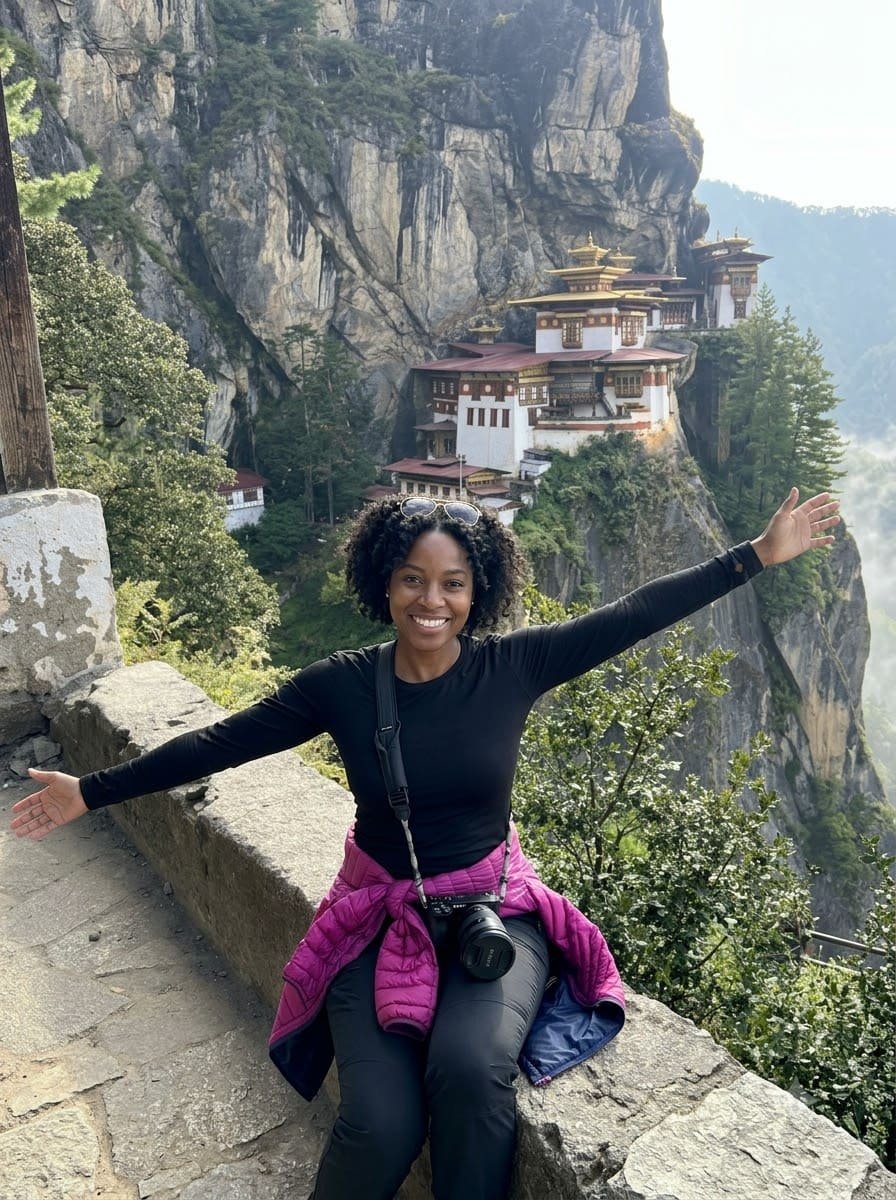
A Bhutan travel package is less a product than a promise: one licensed operator, one guide, one private vehicle, and a route that somebody has driven recently enough to know where the fog sits in the morning. Because every visitor books through a licensed Bhutanese operator, the shape of the bundle is more standardized than in most countries — and that is genuinely good news for you. What separates one package from another is not the fine print about meals; it is the style of trip, the length, and the honesty of the pacing. This guide walks through the six styles worth knowing, how a package gets assembled step by step, which length matches the time off you actually have, and what belongs on the inclusions list. Where fees come up we say so plainly and point you to written confirmation, because government-set figures get revised and no honest page prints a stale one.
The Six Styles of Bhutan Travel Packages
Ask three operators what they sell and the itineraries will rhyme; ask what the trip is for and the answers diverge fast. Style is the first sorting question — before length, before hotels, before anything else. The six styles below cover nearly every package on the market, so figure out which one sounds like you and half the comparison work is already done.
The classic cultural circuit
Paro, Thimphu and Punakha in one tidy loop: Tiger's Nest, the dzongs, Dochula Pass and a farmhouse evening. It is the default first trip for good reason — every drive is short and every day hands you something worth remembering.
Stopover-plus combinations
The connecting city becomes part of the trip: two nights in Kathmandu before Paro, or Bangkok on either end. You are paying for the long flight anyway, so turning the layover into a second destination is the practical luxury here.
Family and multigenerational builds
Shorter drive days, rooms that actually fit a family, and a guide who has survived toddlers at altitude. Grandparents get the slow mornings, the kids get the archery, and the itinerary bends around nap hours instead of summit ambitions.
Honeymoon slow-travel
Fewer valleys, longer stays, boutique lodges and a hot-stone bath booked before you arrive. The pace drops deliberately — two nights minimum everywhere — because the point of this trip is time, not coverage.
Festival-timed departures
Dates locked to a Tshechu, usually Paro or Thimphu, with the masked dances at the dzong courtyard anchoring the whole week. Festival weeks pull demand from every direction, so these departures book earliest and forgive the least schedule drift.
Trek and wellness extensions
The standard circuit with something added: a few days on the Druk Path trek, or hot-stone baths and spa evenings folded in. Popular with travelers who have already accepted the long flight and want the trip to earn it.
Flying in is the practical start for nearly every style. Overland entry through Phuentsholing or Samdrup Jongkhar works for regional road-trippers already moving through India, but it adds days of driving before the trip properly begins. Every style above assumes you land at Paro through a hub like Bangkok, Delhi, Kathmandu or Singapore — build with the flight, not against it.
How Every Package Starts: The Gateway Flights
Paro is the only international airport in the country, and Drukair and Bhutan Airlines are the only carriers serving it — which means your package formally begins at whichever hub connects you to that runway. The hub you pick changes your total travel time more than any itinerary detail does.
Through Bangkok
The widest schedule of Paro departures, which makes it the flexible choice for festival-timed trips and any style that needs exact dates. Long-haul arrivals from most US cities line up cleanly with the morning flights onward.
Through Delhi
Best when India shares the itinerary. A daily Paro connection and a terminal built for tight international transfers make this the natural gateway for stopover-plus packages angled toward the Taj Mahal rather than temples.
Through Kathmandu
The scenic pick: on a clear day the flight to Paro runs right past the high Himalaya. It suits stopover combinations and photographers, and the short hop doubles as sightseeing in its own right.
Through Singapore
Changi connects to Paro only a couple of times a week, so it rewards travelers with movable dates. Slow-travel and honeymoon styles manage fine here; fixed festival dates usually route elsewhere.
The fees are government business, not operator markup. The nightly Sustainable Development Fee and the one-time visa fee are set by Bhutan's government and revised periodically, so no page should print a figure that may be stale. Ask for the current rate in writing, and check that it appears as its own line in the package invoice rather than surfacing at the airport counter.
How a Package Is Actually Assembled
The sequence below is how a package comes together at a licensed operator, and the order matters more than most travelers expect. Visa clearance gates the Paro flight ticket, the flight gates your arrival dates, and your arrival dates gate everything else.
- Fix the dates and the lengthDecide how many nights you can genuinely give the trip, door to door, including the travel days on each end.
- Choose a licensed operatorOnly a licensed Bhutanese operator can file your visa and arrange the required guide, so this choice happens before anything else can move.
- Draft the itinerary togetherPick a style and a length from the sections above, then shift nights between valleys until the pacing looks like your kind of trip.
- File the eVisa and permitsThe operator submits your passport details, a photo and the itinerary through Bhutan's online visa system, then arranges the Route Permit for valleys beyond Thimphu and Paro.
- Book the Paro flights after clearanceNeither carrier issues a ticket until visa clearance comes through, so the regional seats are booked only once the paperwork clears.
- Collect confirmations and final documentsHotel names, the guide's contact, transfer times and your fee receipts arrive as one set — read them before you fly, not at the airport.
Two consequences follow from that order. First, your earliest possible departure date is set by clearance, not by seat availability, so lock your dates early rather than shopping flights first. Second, the operator needs your passport details settled well before you want tickets in hand — a passport renewal that slips by a month can move the whole trip.
Insurance is where assembled packages get checked twice. Reputable operators ask for your policy details before any trek day or high pass, and not as a formality. Make sure the plan you buy names medical evacuation explicitly — a standard trip-cancellation policy often stops short of it, and outside Thimphu the hospital network is thin.
Choosing a Package Length That Fits Your Time Off
Length is where marketing and calendars collide. The flight math adds a travel day to each end of the trip, so a package that looks like a week is really a week and a half of your life. Match the nights to the time off you actually have, not to the itinerary that photographs best.
Package length, by the time off you can spare
Door-to-door math, not itinerary math — count the travel days too
The classic circuit compressed into a single week off — Paro, Thimphu and Punakha with the Tiger's Nest hike intact. Short drives keep it honest rather than heroic.
The same Bhutan core with a couple of nights in the gateway city, so the long journey delivers two destinations instead of one waiting room.
Two unhurried nights in the glacial valley instead of another town on the checklist — the pick for photographers and slow walkers.
Pushes past the western valleys into Trongsa and Bumthang. Built for the traveler making one big trip instead of two smaller ones.
Compare Sample Bhutan Travel Packages
Three builds follow, one per length band, each a real shape rather than a brochure skeleton. The nights-per-valley stack shows where the time actually goes — and the packing list changes more between these three than you would expect.

Classic Cultural Circuit
One-Week Core6 Nights / 7 Days · Paro · Thimphu · Punakha
Ideal for: anyone covering the core circuit in one flat week
- Tiger's Nest hiked properly on day two, legs fresh and crowds thin
- Dochula Pass crossed in daylight with the 108 chortens in view
- A farmhouse hot-stone bath slotted between Punakha's sightseeing
- A final Paro night ahead of the morning flight out of the valley
Best for: travelers with about a week of time off who want the essential circuit without extensions.
See the day-by-day plan
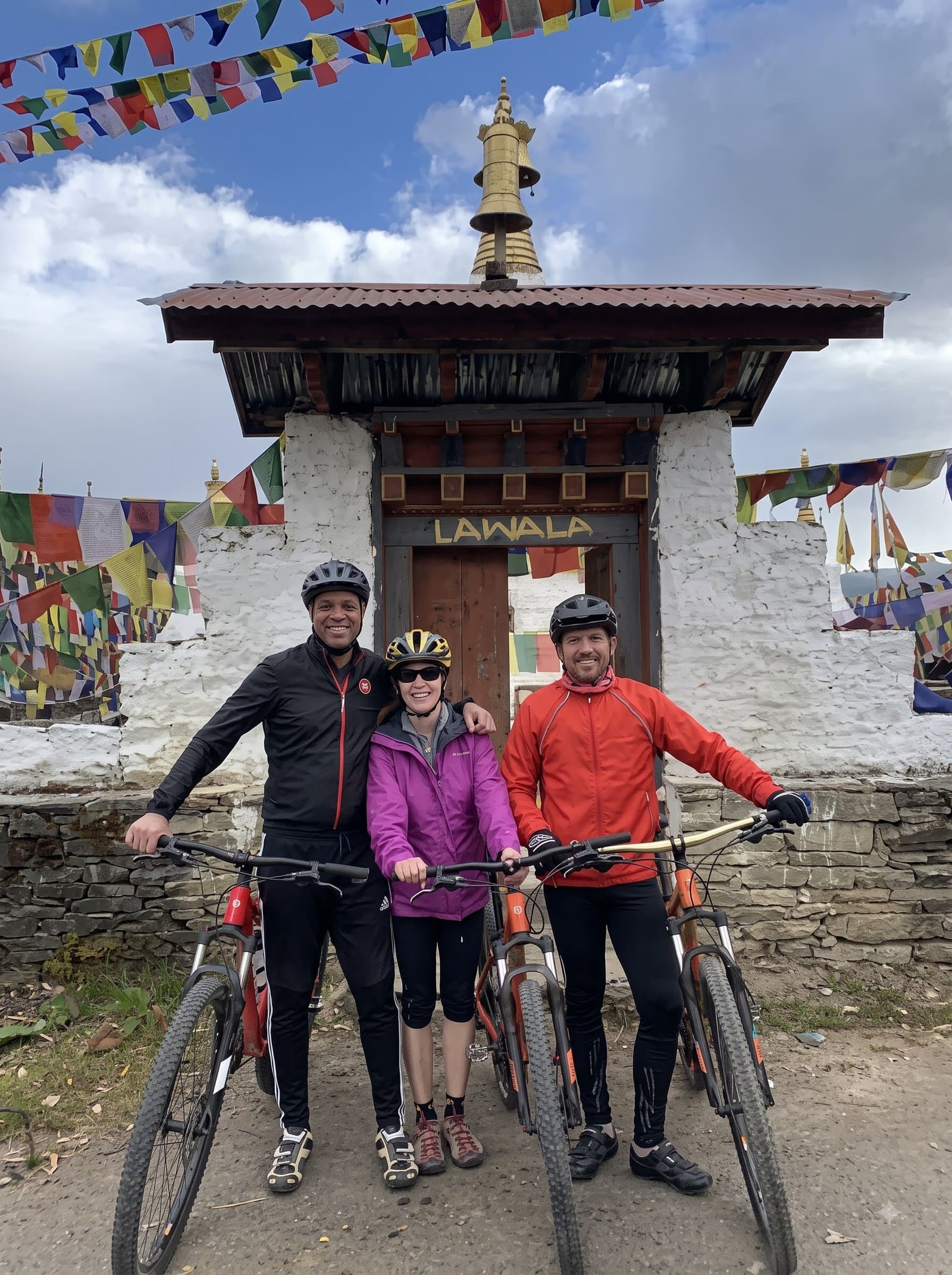
Valley-to-Valley Nature Package
Valley Time10 Days / 9 Nights · Paro · Thimphu · Punakha · Phobjikha
Ideal for: photographers, birders and unhurried valley walkers
- Two full nights in Phobjikha, a glacial valley that rewards early light
- Pele La crossed slowly, with stops where the rhododendrons actually are
- Winter dates line up with black-necked cranes on the valley floor
- Room in the plan for a second valley walk if the weather holds
Best for: travelers who would rather go deep in a few valleys than collect towns along a highway.
See the day-by-day plan
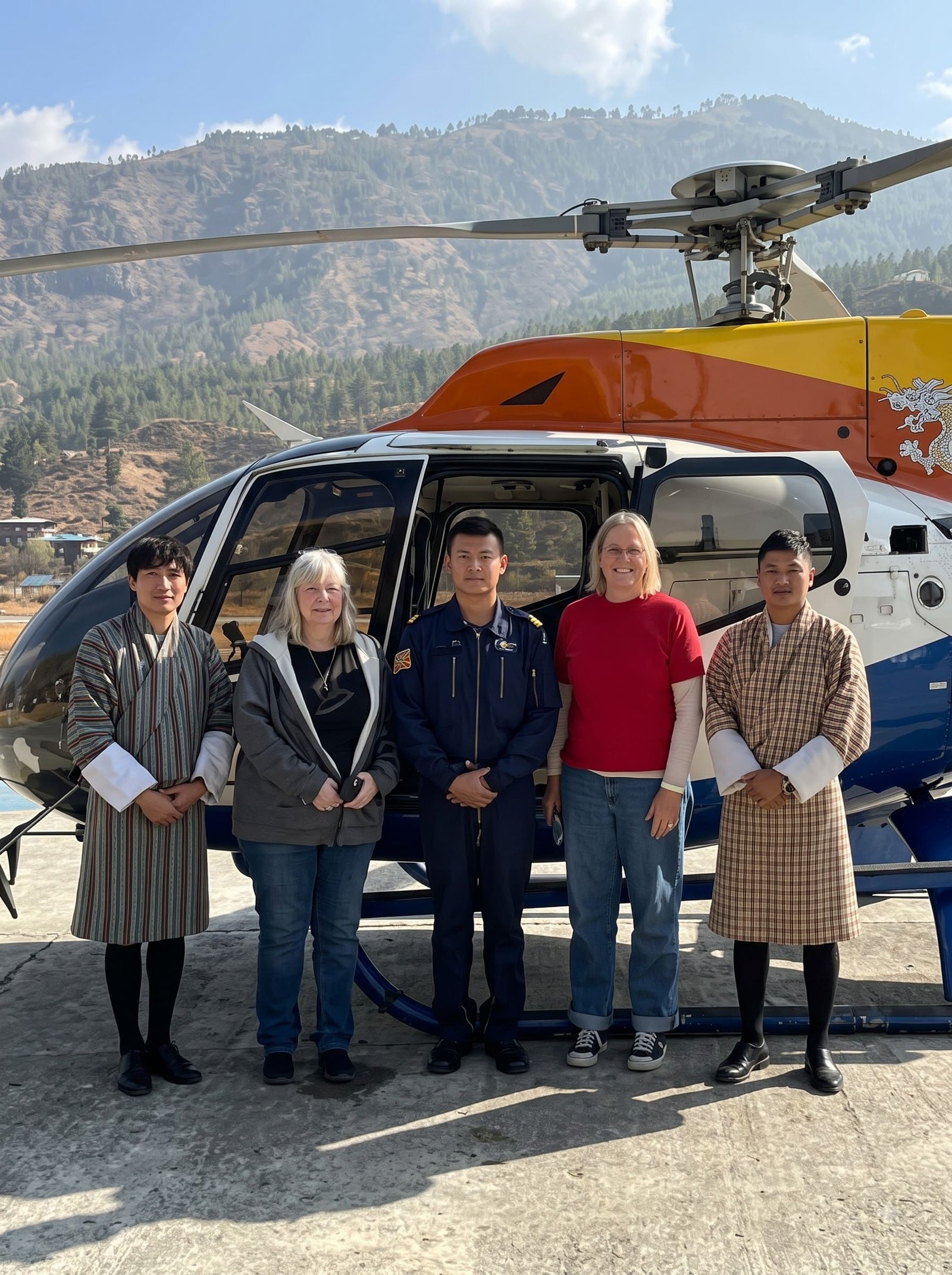
Grand Central Journey
Full Traverse13 Days / 12 Nights · Paro · Thimphu · Punakha · Phobjikha · Trongsa · Bumthang
Ideal for: the one-big-trip traveler, doing central Bhutan once
- Trongsa Dzong stacked into the gorge it once controlled
- Bumthang's temple belt: Jambay, Kurjey and the Mebar Tsho legend
- Chendebji Chorten passed on the drive into gorge country
- A return night in Punakha that breaks up the long drive west
Best for: travelers committed to seeing central Bhutan properly, with the road time accepted up front.
See the day-by-day plan
Treat each itinerary above as a starting sketch rather than a contract — nights can move between valleys and the hub you route through is open too. Send your dates, headcount and departure city, and a travel designer will reply with a written itinerary and a quote to match.
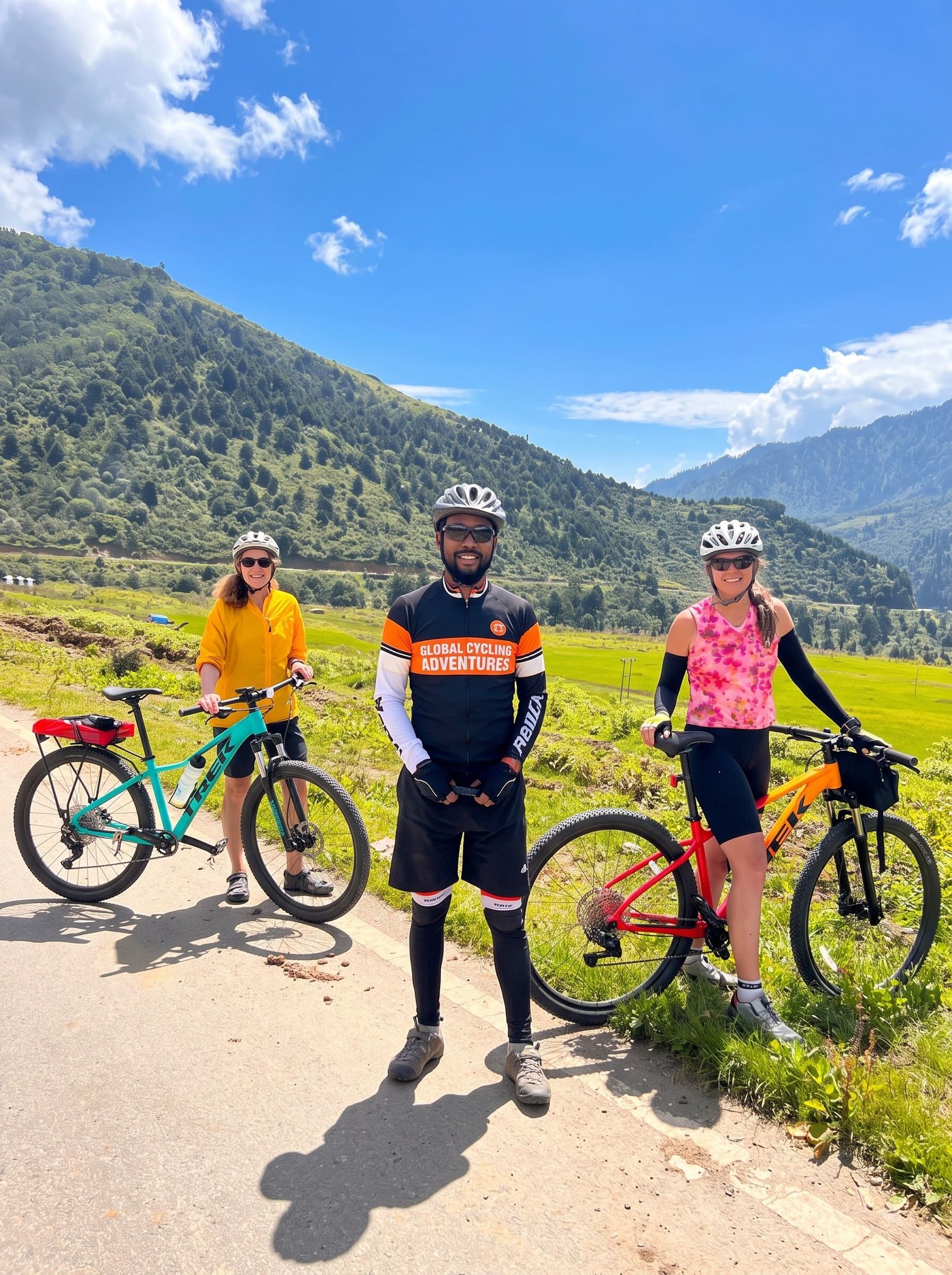
When Each Package Style Books Best
Season changes more than weather; it changes which style is even available. Crane season gives Phobjikha a winter audience, festival dates pull specific weeks forward, and the clearest skies happen to fall exactly when everyone else wants to travel too.
Sky clarity and booking pressure, month by month
Higher bar = clearer skies, and more rivals for the same hotel keys
When your dates have slack, May and September deliver most of the clarity with less competition, which suits slow-travel and nature styles especially. Festival-timed departures have no such freedom — the Tshechu date fixes everything, so those bookings start earliest and lock hardest. Whatever the style, October and November reward early commitments, because Bhutan's hotel stock is small and fills from every direction at once.

What's In and What's Out
Licensing sets the floor: every package from every operator includes the same core services, because the system is designed that way. The differences live at the edges — hotel tiers, the one included cultural activity, and how generously vehicle hours are counted.
Inclusions
- Hotel rooms for every night on the itinerary
- A licensed, English-speaking guide for the whole trip
- Private vehicle with an experienced driver throughout
- Visa processing and Route Permit arrangements handled for you
- The nightly Sustainable Development Fee at the government rate
- Airport pickups and drop-offs at Paro
- All three daily meals on a full-board plan
- Bottled water in the vehicle every day
- One cultural extra, such as an archery lesson or a hot-stone bath
Exclusions
- Long-haul flights from home and the regional seats to Paro
- Alcohol and anything beyond the set menu
- Museum and monument tickets outside the itinerary
- Travel insurance and personal shopping
- Optional extras booked on the spot: extended treks, rafting, festival seating
- Costs from missed connections or weather-delayed Paro flights
Documents Checklist for a Bhutan Travel Package
The list is short, but two items depend on your operator's timing, so gather the personal ones first and let the operator chase the rest.
- Passport: valid six months beyond your return date, with blank pages for stamps.
- Visa clearance copy: filed by your operator and worth carrying in print as well as on your phone.
- Fee receipts: the Sustainable Development Fee and visa payment confirmations, checked occasionally during the trip.
- Passport photos: a spare set per traveler, requested by some permit offices.
- Insurance policy details: the operator will ask for them before trek days and high passes.
- Flight confirmations: the regional Paro tickets, issued only after clearance.
Operators ask about insurance earlier than you expect. Before any trekking day or high crossing, your guide may want the policy name and emergency number on file. Choose a plan that explicitly covers medical evacuation from remote valleys; a generic travel policy often lists trip cancellation and stops there.
A travel package is a frame of guide, vehicle and permits — the picture you compose inside it is what makes the trip yours.
Tips for Choosing Between Packages
Match style to energy
Honest self-assessment beats ambition. A slow-travel build with one good hike beats a packed circuit half-enjoyed — choose the style you would still defend on day eight.
Count door-to-door days
Two travel days bookend the trip. A seven-night package consumes closer to nine calendar days, so plan the time-off request accordingly and protect the day after you get home.
Ask about hotel tiers
Standard, premium and boutique tiers change the feel of a trip more than the sightseeing does. Ask which properties are actually named rather than accepting vague adjectives in the quote.
Check festival dates
If a Tshechu matters to you, confirm the exact date with the operator before booking flights. Festival calendars are announced by the monastic authorities, not by hotels, and they anchor everything.
Group size, in writing
Private means your party only. If a join-in group is offered, ask the usual headcount and vehicle size before committing — the difference between six travelers and eighteen is not subtle.
Keep a weather day
Mountain weather edits schedules. An itinerary with slack absorbs a fogged-in pass; a tight one turns a delay into a missed flight. Ask how the plan handles a washed-out morning.
Frequently Asked Questions: Bhutan Travel Packages
What is included in a Bhutan travel package?
The core is fixed by the licensing system: hotel rooms for every night, a licensed English-speaking guide, a private vehicle and driver, all three meals, airport transfers, visa processing and Route Permit arrangements, and the nightly Sustainable Development Fee. Most operators add bottled water and one cultural experience such as archery or a hot-stone bath. Long-haul flights and the regional seats to Paro normally sit outside the package.
How many days should a first Bhutan travel package be?
Seven to ten days is the honest band for a first trip. Six nights covers Paro, Thimphu and Punakha including the Tiger's Nest hike; nine or ten nights adds Phobjikha Valley without rush. Anything shorter starts losing days to the flights on each end, which is a poor trade given the distance already traveled.
Can a Bhutan package be customized after booking?
Yes, within reason. Before travel, nights can usually shift between valleys and hotel tiers can change, since the operator reissues the itinerary the visa was filed against. Mid-trip, your guide and driver can flex daily plans around weather and energy, though the overall route and permit zone stay fixed. Ask the operator which changes are free and which carry a fee.
Is the Sustainable Development Fee part of the package?
It is usually bundled into the package invoice together with the one-time visa fee, so you are not paying it separately at the border. The nightly rate is set by Bhutan's government and revised periodically, so ask your operator to confirm the current rate for you in writing, and check that it appears as its own line rather than folded invisibly into other costs.
Do Bhutan travel packages include international flights?
Normally no. Packages cover the ground services inside Bhutan and usually quote the regional flights to and from Paro separately, while the long-haul legs from the United States stay yours to arrange. That division works in your favor: it lets you route through whichever hub and airline program you prefer. What the operator will do is time everything around your Paro flight.
When should I book a Bhutan travel package?
Give it more lead time than a comparable trip elsewhere. Visa clearance takes a couple of weeks, Paro tickets are issued only after it lands, and October and November are contested by travelers from every direction. Most operators want commitments a couple of months ahead for shoulder months and longer for peak and festival weeks, when hotel rooms go first.
Are group joins available, or are packages private only?
Both exist. Private packages — your party, your guide, your vehicle — are the default for travelers from the United States, and the government fees are identical either way. Some operators assemble fixed-departure groups around festival weeks, which can soften the per-person cost. Ask directly what the group size and vehicle would be before joining one.
Is a guide really with us the whole time?
Yes. Regulations require a licensed guide to accompany foreign visitors for the length of the trip, and Route Permits are arranged through your operator, so the guide is not optional — and honestly stops feeling like an imposition by day two. A good one translates, negotiates the kitchen, reads the weather and knows which chorten is worth a stop.
Ready to Compare Bhutan Travel Packages for Your Dates?
Send your rough dates, group size and departure city, and say which style above sounds closest. A travel designer will draft a written itinerary to match, confirm the current fee rates in writing, and hold the plan open with no deposit until you are ready.