
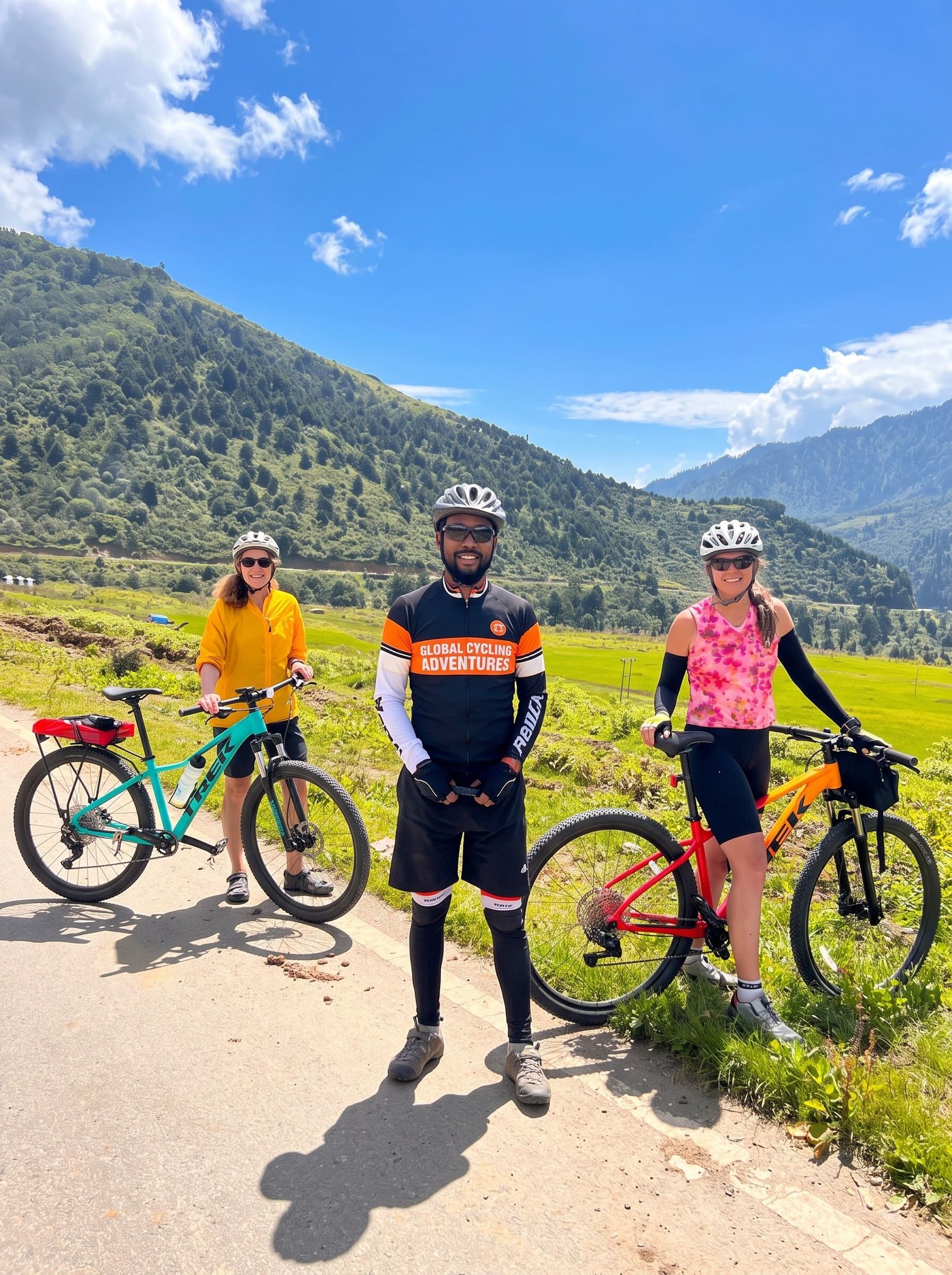
Type "bhutan travel company" into a search bar and you get two different animals wearing the same name: overseas agencies that sell Bhutan among forty other destinations, and Bhutanese companies licensed inside the system they're selling. Both can put you on a plane to Paro, but they do different work — and knowing which company is doing which work is the difference between a trip that runs itself and one where you become the project manager. In Bhutan the distinction matters more than almost anywhere else, because the local licensee is the entity that files your visa, holds your permits and legally operates your trip. This page maps the whole picture: what a full-service company runs behind the scenes, how the local and overseas versions split the labor, a vetting checklist that takes an afternoon, and the failure points serious companies design against.
Beyond Booking: What Companies Actually Run
The word "booking" undersells the job the way "cooking" undersells a head chef. Between your first inquiry and your flight home, a full-service company is running six workstreams at once — most of them invisible right up until the moment one of them slips.
Itinerary design
A company that designs instead of assembles asks about your dates, your pace and your interests before any itinerary appears. Expect subtraction, not addition: fewer towns, better rhythm, and hotels chosen for how you travel.
Visa and permit paperwork
Your visa application, the route permits past Thimphu and Paro, the fee receipts — a full-service company runs this desk in-house and tells you what's been filed when, without being chased.
Lodging contracts across tiers
From family-run hotels to boutique lodges, companies hold the actual contracts. That's why they can name every property in writing instead of hiding behind a "comfortable category".
Vehicle fleets and drivers
Vehicles are owned or contracted, drivers are regulars, and the good companies brief both on your itinerary before you land. On the road this shows up as smoother days and fewer surprises.
Guide rosters and training
Companies keep rosters of licensed guides and match them to trips. Ask how they train, what their guides specialize in, and who they'd pick for a trip shaped like yours — the answer is revealing.
On-trip support when plans move
A closed pass, a delayed flight, a sick traveler — someone at a desk with real authority reworks the plan while your guide keeps the day calm. This is the workstream you hire and never see.
Local Company vs Overseas Agency
Neither booking route is wrong; they just do different work, and the seams between them are where trips either run clean or snag. Five comparison points separate a strong local company from a strong overseas agency — and from the weak versions of both.
Local company vs overseas agency, in five questions
Ask both the same five — the differences surface within a single email thread
Only a Bhutanese licensee can submit your visa application, so the local company is in the chain no matter where you first booked. Ask who it is by name.
If your flight is delayed at midnight, you want to know who picks up. Ask each candidate company to describe their after-hours chain, in writing, with names.
Overseas agencies delegate execution: the licensee files, permits and guides. The best pairs feel seamless; the worst feel like a relay race with a baton nobody owns.
A question that crosses two companies takes longer to die in. Ask whether you'd message one desk or two on the road, and who owns a decision when they disagree.
When something breaks, responsibility finally lands somewhere specific. A clear contract naming the operating company — and what they owe you — beats any amount of reassuring prose.
The Vetting Checklist
Vetting a travel company sounds formal, but it's really seven questions and an afternoon. Good companies expect the scrutiny and enjoy it; the process costs you nothing and predicts the trip better than reviews ever will.
- Ask for a written itinerary with hotel namesNamed properties, night counts and driving times. Tiers are adjectives; names are checkable.
- Request the fee lines spelled outThe nightly fee and visa fee should appear as their own lines, with the current government-set amounts confirmed in writing.
- Check how they handle a weather-delay scenarioDescribe a grounded-flight morning and ask what moves first: hotels, permits or you. The sequence is the competence.
- Ask who to call on the roadA name, a number and a time zone. "We're reachable anytime" is a slogan; a person is an answer.
- Read how they describe their guidesCareful guide descriptions signal a company that actually manages its roster. Generic praise signals a directory.
- Ask for two recent traveler referencesSimilar trip, similar group. Anyone can produce raves; a company confident in its work produces phone numbers.
- Compare two or three companies before decidingSame dates, same brief, sent to each. Comparing responses side by side reveals more than any single quote ever will.
None of this is hostile vetting, and no good company will treat it that way. The questions take an afternoon, they cost nothing, and they consistently predict how the trip will run — better than ratings, awards or how polished a website looks. If a company bristles at being vetted, that reaction is itself a finding worth keeping.
A serious company puts current fees in writing. The Sustainable Development Fee and the one-time visa fee are set by Bhutan's government and revised periodically, so a good company quotes them as named lines, flags that they move, and tells you to confirm the figure before paying. Evasion on that request is the single clearest signal in the whole vetting exercise.
Where Trips Break, and How Companies Prevent It
Ask a veteran trip designer where itineraries actually fail, and you won't hear about restaurants or viewpoints. You'll hear about four specific seams — and the companies worth hiring have already written their plan for each one before you ask.
Weather-delayed Paro flights
Paro's runway needs clear sightlines, so delays happen even in good months. Strong companies build buffer nights, hold rebooking reflexes, and know the alternates before you've landed.
Festival date shifts
Festival calendars follow the lunar year and slide against the Gregorian one. Careful companies anchor paperwork to announced dates early instead of assuming, then re-check as travel nears.
Road closures
Landslides and maintenance close mountain roads without much warning. Companies that drive these routes weekly reroute from memory, not from a map app, and tell you what changed by lunch.
Health hiccups
Altitude, water, a twisted ankle on the Tiger's Nest trail. Good companies verify evacuation coverage before day one and brief their guides on the nearest clinics for every valley on the route.
Mountain travel rewards the company that already has plan B written down. When you interview a company, you're not really buying the itinerary — that's the part they show everyone. You're buying the preparedness behind it: the buffers, the backups and the phone numbers. Ask to see a contingency in writing and watch how quickly it appears.
Company-Built Trip Examples
These three itineraries are the shapes a full-service company builds most often: the core classic that proves the machine works, a slower western journey that adds breathing room, and the deep central route where a company's logistics earn their keep. Read the day plans less for the sights and more for the seams — where buffers sit, how drives are broken, when the pace eases.
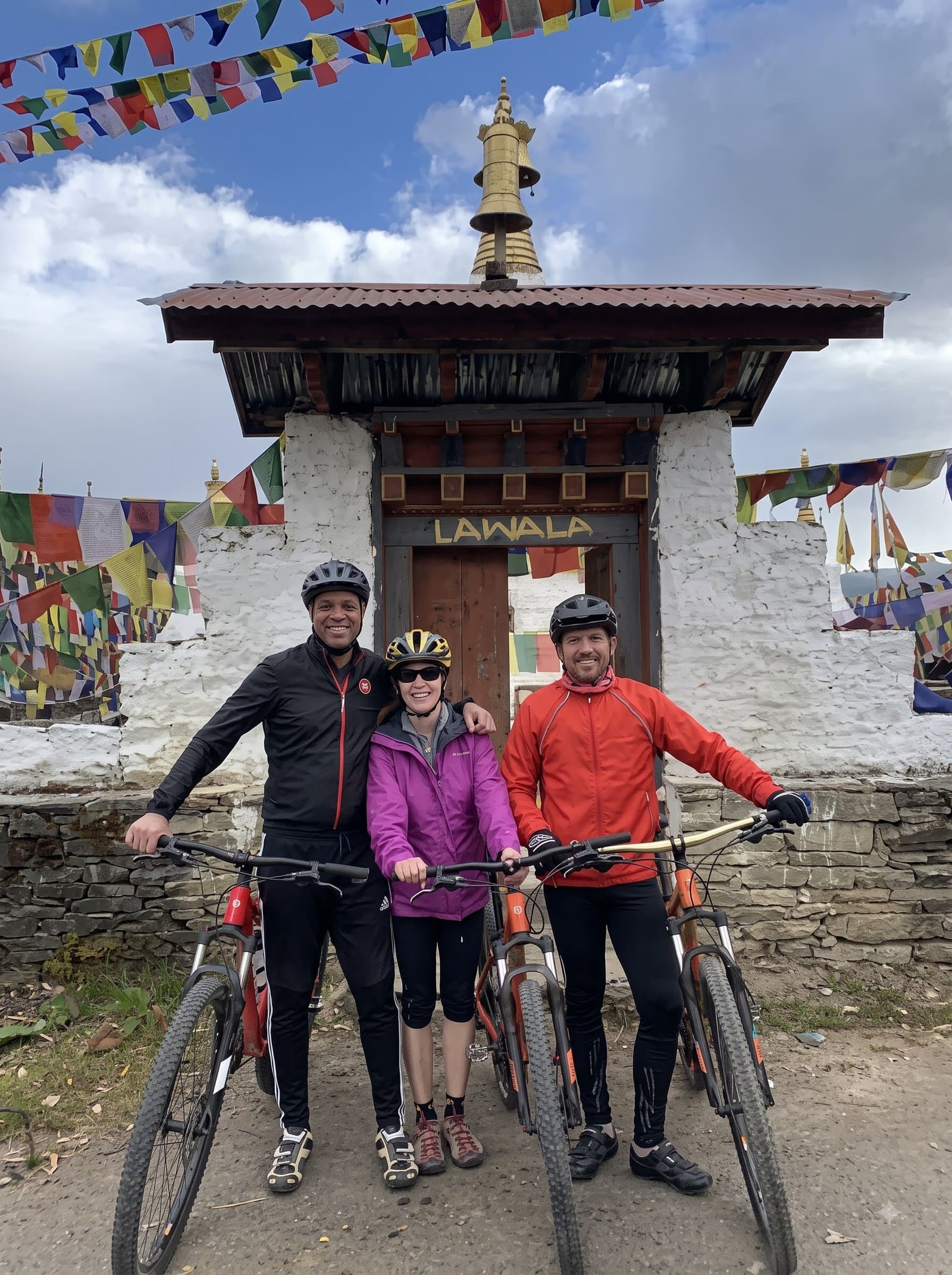
Signature Classic
Core Product7 Days / 6 Nights · Paro · Thimphu · Punakha
Ideal for: testing a company's core product
- The week a company runs more than any other, polished by repetition
- Every hotel named in writing, every permit filed before you land
- Tiger's Nest climbed early, when legs are fresh and mornings are clearest
- A single duty desk behind the guide for the whole route
Best for: first trips with full support behind them.
See the day-by-day plan

Signature Slow Journey
Unhurried10 Days / 9 Nights · Paro · Thimphu · Punakha · Phobjikha
Ideal for: unhurried design
- Two full nights in Phobjikha's glacial valley instead of a drive-by
- Morning walks on the valley floor and the crane centre at your leisure
- Thimphu with a second night, so the capital gets a real day
- Design that trades one more town for twice the depth
Best for: travelers who value depth and support equally.
See the day-by-day plan
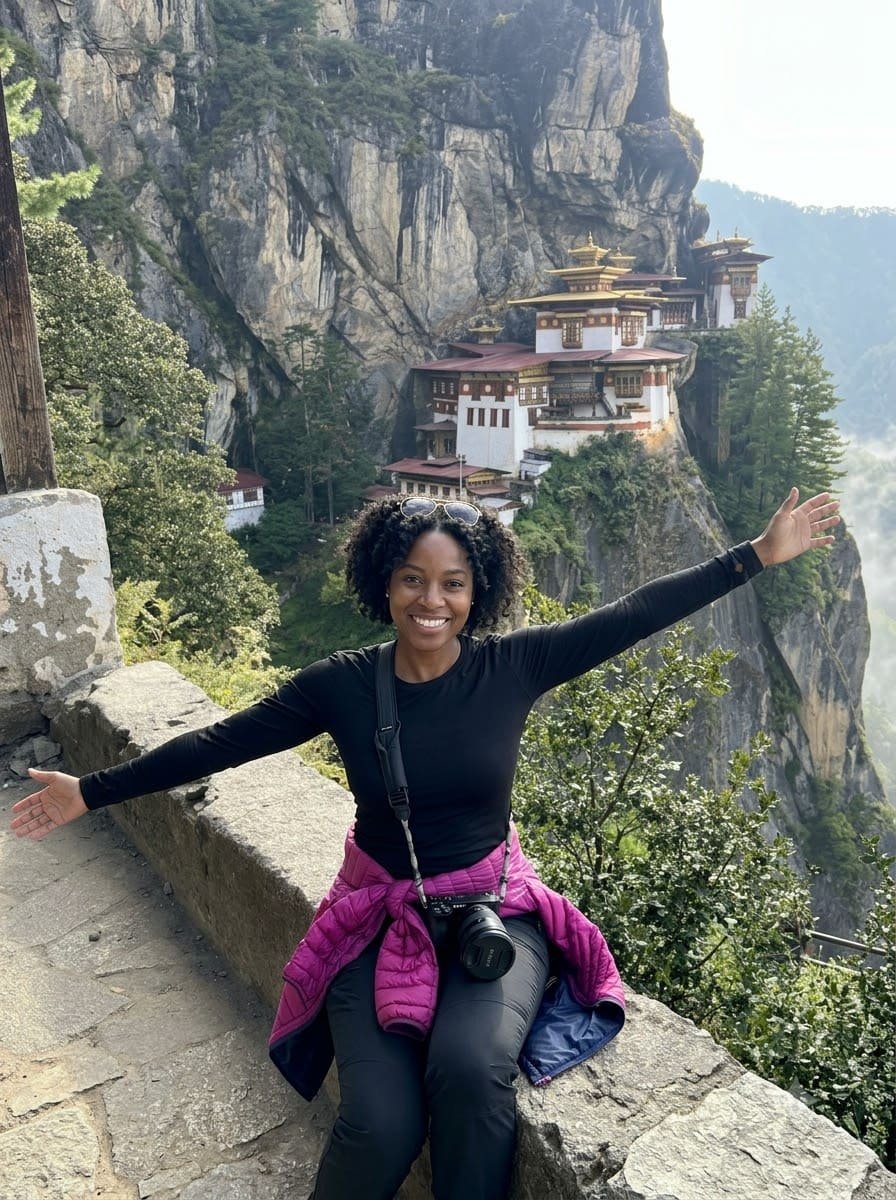
Signature Central Journey
Deep Journey13 Days / 12 Nights · Paro · Thimphu · Punakha · Phobjikha · Trongsa · Bumthang
Ideal for: complex logistics handled quietly
- The full west-to-central arc, run by a desk that holds every booking
- Trongsa's ridge-top dzong and Bumthang's temple valleys, unhurried
- Driving days broken the way locals break them, not the way maps suggest
- Permits, checkpoints and hotels refiled invisibly as the route moves
Best for: watching a company earn its keep over distance.
See the day-by-day plan
Ask the company to walk you through any day plan aloud — the pauses and caveats in their voice are where the real logistics live.
When Companies Fill Their Calendars
A travel company's year is a juggling act: guide rosters, hotel contracts and Paro flight seats all move on different clocks, and festivals squeeze all three at once. Knowing when their calendars tighten tells you when to start the conversation — and when you'll have their full attention to design something custom.
Company calendars, month by month
Bar height tracks how tightly rosters, rooms and Paro seats are committed
The lesson most travelers learn late: engage the company before the month is full, not after. In the quiet months you get their best design thinking and their most honest advice about what to cut. In the peak weeks you get whatever rooms and guides are left, arranged quickly by people doing their best under load — usually good, never their best work.
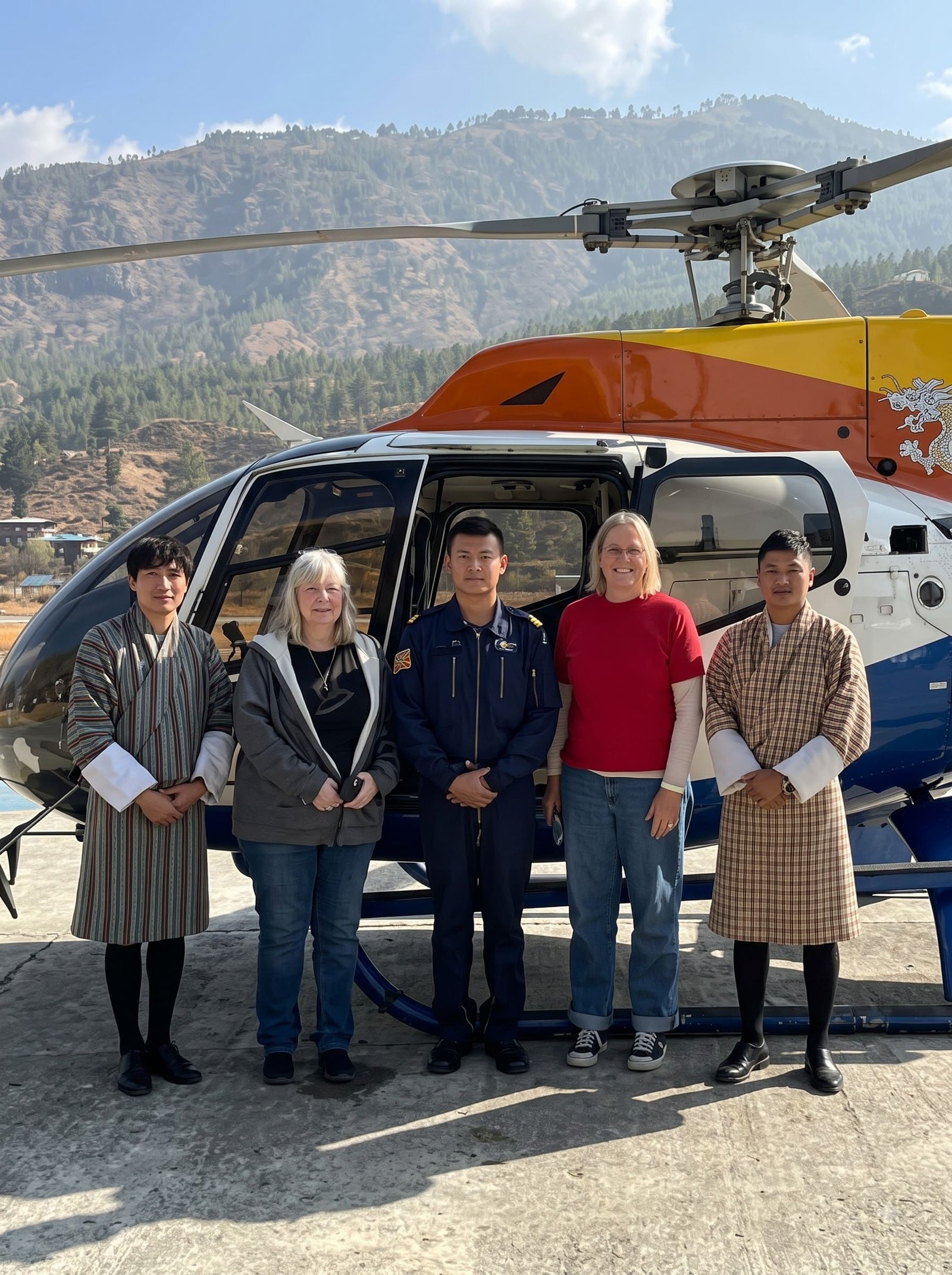
What a Full-Service Package Bundles
A full-service package should read like a closed loop: everything the trip needs, named. Compare offers against this baseline — anything missing from it isn't a discount, it's a seam you'll feel later.
Inclusions
- Accommodation for every itinerary night, at the tier you agreed
- A licensed English-speaking guide assigned by the company
- Private vehicle and driver for the whole route
- Visa filing, fee receipts and route permits handled in-house
- The nightly Sustainable Development Fee, remitted to the government
- Paro airport meet, greet and transfers
- Full board — breakfast, lunch and dinner — across the trip
- Drinking water and roadside refreshments in the vehicle
- One or two cultural experiences woven into the route
Exclusions
- Your long-haul flights to the hub city, and hub hotel nights
- The regional Paro flights, unless the quote names them
- Alcoholic drinks, minibar treats and café stops between meals
- Travel insurance with medical evacuation coverage
- Tips, personal shopping and optional extras like rafting or festival seating
- Knock-on costs from weather-delayed flights, which nobody can promise away
The Documents a Company Will Ask For
A full-service company runs the filings, but the machine needs raw material from you. Everything below is standard, digital, and worth sending in the first week rather than the last.
- Passport bio page: valid six months past your return date, scanned clean for the visa file.
- Recent passport photo: one per traveler on the booking, plain background.
- Agreed itinerary: the version the company files and contracts hotels against.
- Insurance certificate: naming medical evacuation; a copy stays with your guide.
- Payment receipt: for the package invoice with its named, government-set fee lines.
- On-trip contact card: who calls whom, in which time zone, at which hour.
One document protects all the others. Bhutan's hospitals outside Thimphu are basic, and a mountain evacuation is the scenario no itinerary plans around gracefully. Check your policy explicitly names medical evacuation — not just cancellations — and leave a copy with the company so the guide never has to read your coverage off a phone screen at the worst moment.
A good travel company disappears into the trip — the better they are, the less you notice them working.
Ways to Work Well With a Travel Company
The traveler side of the partnership has its own craft. Six habits separate clients whose trips design themselves from clients who spend the trip managing email.
Share the real constraints
PTO dates, the departure city, who's coming, what "comfortable" means to you. Companies design better with edges to design against — vague briefs produce vague trips.
Put decisions in writing
Dates, hotels, inclusions, the change policy — confirmed in email. Memory blurs within a week; threads don't. A paper trail is kindness to both sides.
Name one decision-maker
Groups drift when five people reply-all. Pick one voice for the company to design around and poll everyone else privately. The itinerary improves immediately.
Ask for the plan B
Weather, roads, festivals — ask what the company pre-arranges for each. Strong answers arrive fast and specific; weak ones need a meeting to explain.
Be honest about pace
Say if the Tiger's Nest hike worries you, or if museums bore you, or if you nap after lunch. The itinerary improves from honesty; nothing else does.
Close the loop early
Approve the final plan with time to spare. Flights, permits and rooms all reward an early signature, and the company's best work happens before the calendar crowds them.
Frequently Asked Questions: Choosing a Bhutan Travel Company
Is a travel company the same as a tour operator?
Not exactly. A licensed Bhutanese tour operator is the entity the system requires — it files visas, holds permits and legally runs the trip. A travel company may be that same operator, or an overseas firm that designs trips and partners with a local licensee. Ask any candidate which they are; the answer changes who files your paperwork and who answers when something moves on the road.
Can overseas agencies be trusted?
Many can — the good ones are transparent about their local partner and stay in the loop from design to landing. Judge them on specifics: do they name the licensee, share the local contact, and put fees and change policies in writing? An agency that hides its operating partner, or relays every question through two inboxes, is telling you how your trip will sound when it matters.
Who do I actually call mid-trip?
Your guide first — they're beside you and handle the small stuff live. Behind them sits the operating company's duty desk, which moves hotels, reworks drives and talks to airlines. If you booked through an overseas agency, ask in advance whether problems route through them or straight to the local desk, and get the names and numbers written into your documents before you fly.
What belongs in a contract?
The itinerary with named hotels, the full inclusion and exclusion lists, the government-set fee lines confirmed in writing, the payment schedule, and a plain-language change and refund policy. It should also name the operating company — the licensee actually running your trip. If a contract arrives vague on any of these, ask; the reply tells you more about the company than the clause would have.
Can itineraries change on the road?
Yes, and a good company treats that as normal operations rather than an exception. Mountain weather moves flight schedules, passes close, and festival crowds shift timings. Your guide flags, the duty desk reworks, and you get the revised plan with reasons. What separates companies is whether those changes arrive as calm solutions or as apologies — ask your references which they experienced.
Do companies run fixed groups?
Some do, especially around festival dates, but most Bhutan trips are private by design — your party, your vehicle, your guide, your pace. When a company does run a fixed-departure group, ask who else is on it, how the pace is set, and what happens if your party is the odd one out. Private travel costs a different structure, but it buys the trip actually fitting you.
Do any specialize in certain regions?
Yes — some companies are western-circuit specialists who run Paro, Thimphu and Punakha to a fine polish, while others pride themselves on central and eastern routes where logistics are harder and hotels simpler. Ask where a company's own office sits, which regions their senior guides call home, and how often they actually run the route you're considering rather than just selling it.
What does after-hours support really mean?
Ask the company to describe their night, not yours: who holds the phone, whether it's a rotation or one person, and how a Paro flight delay at an unsociable hour gets handled before sunrise. Strong answers name people and process. Vague answers — "we're always available" — deserve a follow-up question, because midnight is exactly when the difference between a slogan and a system shows up.
Ready to Hand the Planning Over?
Share your dates, departure city, group size and the kind of trip you're imagining, and a travel designer will come back with a real plan — named hotels, filed permits, and a written quote with every line explained. No deposit is needed to start the design.