

Ask three returned travelers to name their favorite Bhutan tourist spot and you will likely hear the same short list: Tiger's Nest, Punakha Dzong, Dochula Pass, the big Buddha over Thimphu. That is not laziness; it is how the country is built. Bhutan concentrates its landmarks along a western corridor of valleys connected by a few good roads, and nearly every itinerary is simply a different way of stringing the same beads. Which is exactly why it pays to understand the spots individually — what each one asks of you, how long it deserves, and what it feels like on the ground — before letting anyone assemble them into a schedule. This page does that: six headline spots first, four quieter rewards next, then the honest mechanics of visiting each type, the day-shapes they naturally form, and three routes that cover the shortlist at three different paces.
The Six Headline Bhutan Tourist Spots
These six carry the weight of almost every western itinerary. None requires superhuman effort; all of them reward a guide who knows the timing. Here is what each one is, and what a visit actually involves.
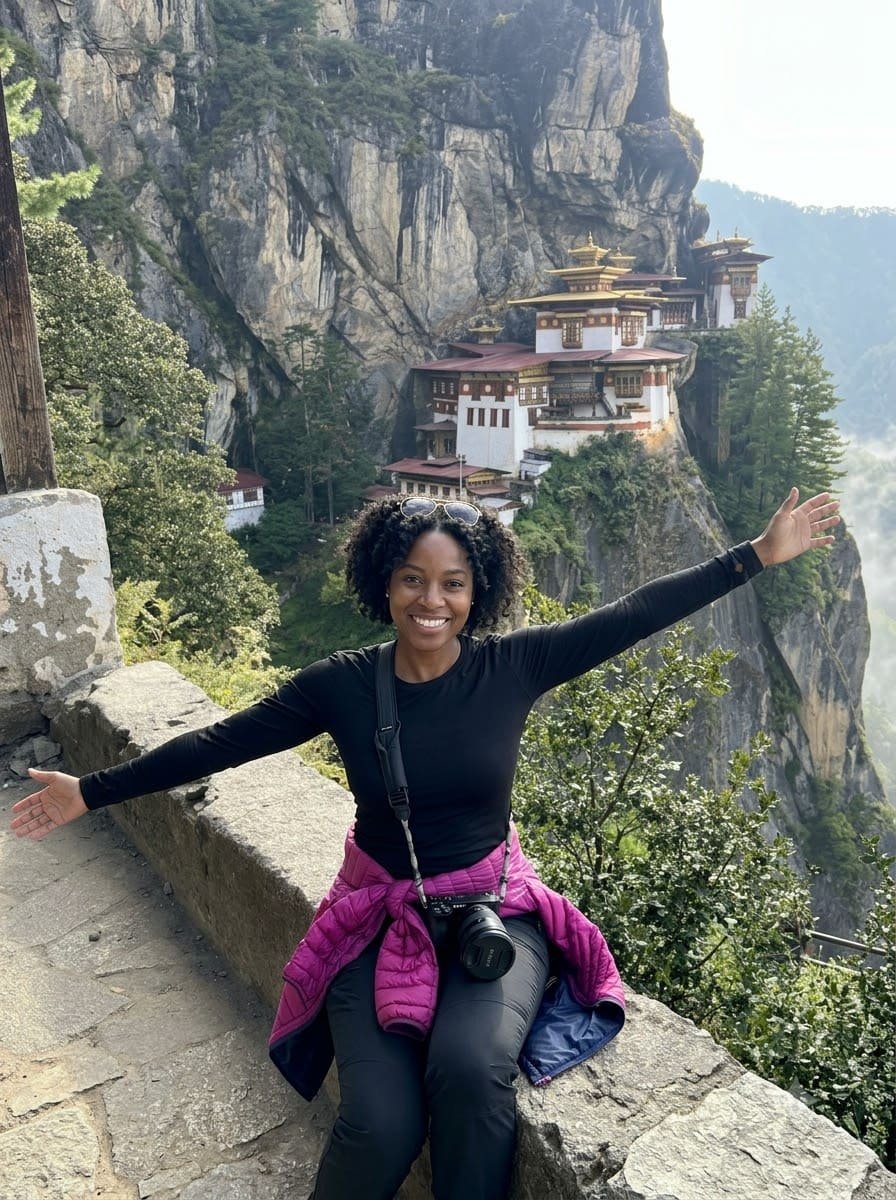
Tiger's Nest Monastery
The cliff hike that anchors the whole country's image. A half-day climb through pine forest to a monastery pinned to granite, with a teahouse viewpoint halfway. Start early, take the descent slowly, and let the switchbacks do their honest work.
Punakha Dzong
Bhutan's most photographed fortress sits at the confluence of two rivers, reached over a long wooden bridge. Inside: whitewashed courtyards, a gilded temple and jacaranda shade in spring. Give it unhurried hours; it rewards slow walking far more than a checklist glance.
Dochula Pass
The high pass between Thimphu and Punakha, strung with 108 memorial chortens and, on clear mornings, a panorama of Himalayan peaks. It doubles as a natural coffee stop on the drive — and proof that the best sightseeing here sometimes happens from the road.
Buddha Dordenma
A giant golden Buddha overlooking Thimphu from a ridgeline, with a viewing platform and meditation halls inside the base. Visit late afternoon when the light softens over the valley and locals come to circle; it is the capital's most photogenic landmark.
Tashichho Dzong
Thimphu's fortress of government and monastic affairs, all manicured lawns and painted timber. Opening hours are limited because the building works for a living, so time the visit to the open window and enjoy the gardens while you wait.
Rinpung Dzong
Paro's fortress above the river, reached over a covered cantilever bridge. It hosts the Paro Tshechu's dance grounds and houses monastic courtyards worth a slow circuit. Pair it with the National Museum uphill for the valley's best single afternoon.
Dzongs are working buildings, not museums. Government offices and monastic bodies share the same courtyards you will be walking through, which means visits follow active hours, dress stays modest, and security occasionally checks passports at the gate. Carry your permit and passport details on dzong days, and treat the whole visit as a guest's errand rather than a tourist's transaction.
Four Quieter Spots Worth the Extra Mile
The headline landmarks get the glory, but these four give a Bhutan trip its texture. Each asks a little more of the schedule — a drive, a walk, a night out of town — and repays it with silence, story or a view the crowds have not claimed.
Phobjikha Valley
A wide glacial bowl east of the pass country, famous for the black-necked cranes that winter here. Trails rim the marsh, a monastery watches from the ridge, and evenings are so quiet you can hear the valley breathe. Two nights is the honest minimum.
Chimi Lhakhang
The fertility temple sits on a small rounded hill reached by a walk through rice fields and village lanes. The trail is flat, the terraces are photogenic, and the temple's blessing has made it quietly famous across continents. Go in the morning.
Chele La Pass
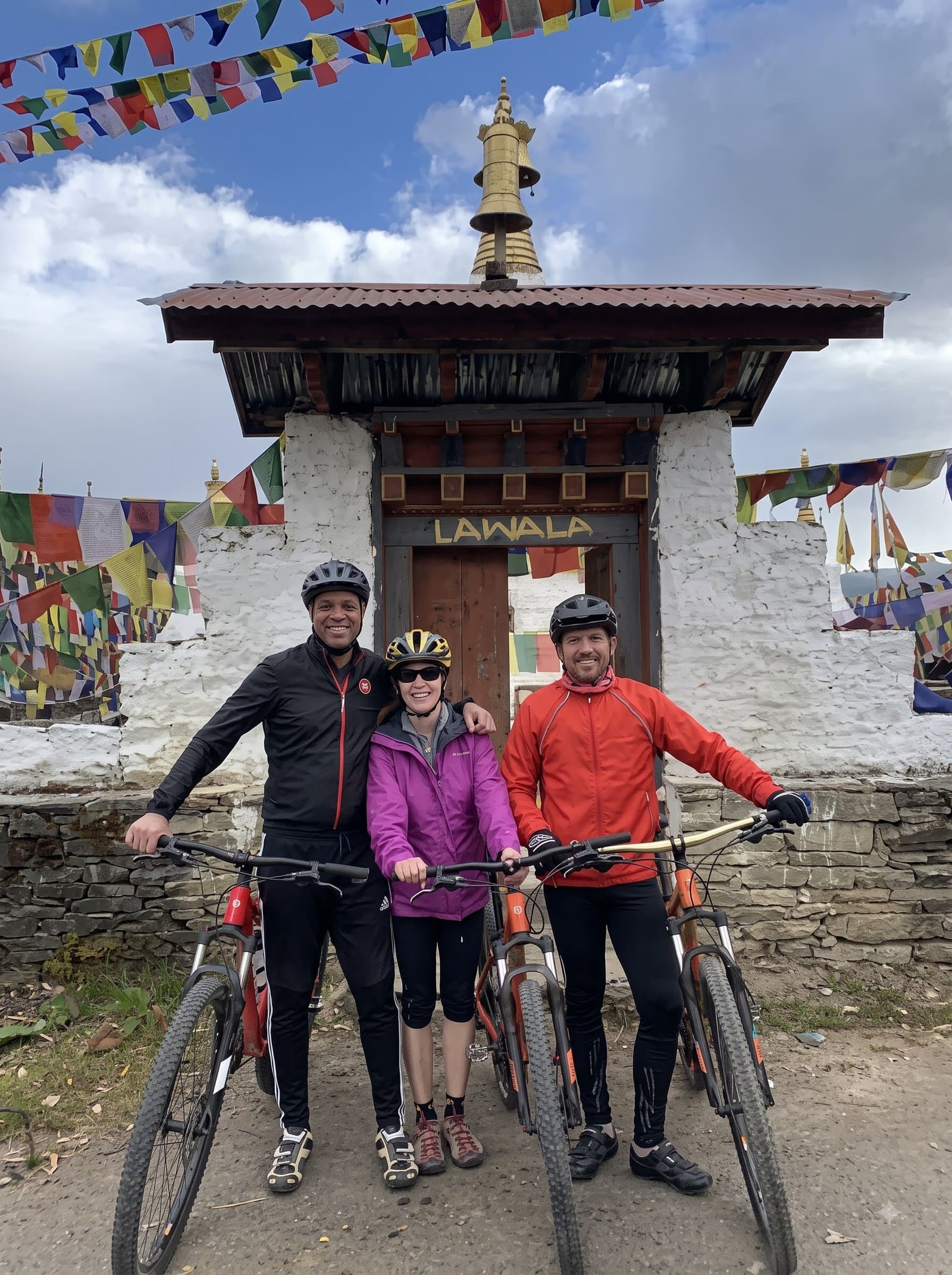
The high road above Paro climbs through spruce and prayer flags to one of the kingdom's highest motorable passes. On clear days the peaks line up; on cloudy ones the forest alone justifies the drive. Weather decides everything here, so keep it flexible.
Kyichu Lhakhang
Among the oldest temples in the kingdom, with butter lamps, orange trees and a calm that makes the short visit linger. It sits minutes from Paro town, which makes it the perfect unhurried opener or closer to a valley day.
What Visiting Each Type of Spot Is Actually Like
Itineraries list places; bodies experience visit styles. A fortress visit and a pass visit share almost nothing except the country they sit in, so it helps to sort the spots by what they demand of your knees, your mornings and your patience.
Five visit styles, honestly described
Match each style to your energy, then build days around it
Forest switchbacks, a teahouse viewpoint, then the final stairway pinned to the cliff. Start at dawn, take poles for the descent, and keep the afternoon free to recover.
Bridges first, then whitewashed courtyards, painted timber and chapel doors. Dzongs reward unhurried visits inside working hours — speed is wasted here.
Passes are morning bets: clear at dawn, hazy by lunch. The chortens and flags make even a clouded visit feel complete, but the Himalaya keeps its own schedule.
Ridgeline Buddha, a viewpoint over the capital, then the market streets below. Town landmarks pair naturally with lunch and an unhurried wander through the shops.
A flat walk through rice terraces and village lanes to a small hilltop temple. The stroll is half the experience; farmhouses along the way trade tea for stories.
How the Spots Cluster Into Days
Bhutan does not reward cramming; it rewards clustering. The spots group naturally by valley, and each valley yields one strong day. Learn the five day-shapes below and you can read any itinerary — or write your own — in minutes.
- Day-shape one: Paro and its fortressRinpung Dzong, the covered bridge, the museum uphill, and Kyichu Lhakhang to close. A gentle acclimatization day that stays close to the hotel.
- Day-shape two: the big hikeTiger's Nest from dawn, teahouse at the midpoint, and a deliberately empty afternoon. Protect the day after the hike too — it earns its rest.
- Day-shape three: Thimphu's landmarksBuddha Dordenma, Tashichho Dzong within its open hours, craft workshops and the market if the day is right. The capital folds into one full day.
- Day-shape four: the pass and PunakhaDochula in the morning light, then the drop into river country for Punakha Dzong and the long suspension bridge. The classic drive day, at an easy pace.
- Day-shape five: Phobjikha's valley floorThe crane valley's rim trails, a village walk, and an evening of nothing in particular. Silence is the sight here; let the schedule prove it.
- Clusters keep drives short and mornings purposefulSpots cluster by valley, so run clusters on consecutive days and save long transfers for the morning after a rest. Ask your operator for drive times between every two nights — honest numbers make honest plans.
Notice what the day-shapes share: one anchor sight each, mornings protected, drives measured in hours rather than days. That is the pattern every sensible Bhutan tourist spot itinerary follows, and it is exactly why the three routes below look the way they do.
Routes That Cover the Big Spots
Three routes, three paces, one shortlist. Each below covers the headline spots through a licensed operator with guide, vehicle and permits handled; the difference is how much slack the schedule carries. Nights are counted per valley so you can see where the time actually goes.
Headline Spots Express
7 Days6 Nights / 7 Days · Paro, Thimphu and Punakha
Ideal for: the landmark shortlist on one week off
- All six headline spots, one week, zero filler days
- Tiger's Nest climbed on the first full morning
- Dochula crossed in daylight both ways
- Written itinerary with drive times per leg
Best for: one week, all six headline spots, and a schedule that never pretends the drive is shorter than it is.
See the day-by-day plan

Spots at a Slower Pace
10 Days9 Nights / 10 Days · Paro · Thimphu · Punakha, then Phobjikha
Ideal for: unhurried landmark visits with quiet spots included
- Two nights in the crane valley for real silence
- Chimi Lhakhang walked in morning light
- Fortresses given whole afternoons, not drive-by hours
- Weather slack built into the pass crossings
Best for: travelers who want the quiet spots included — the temples, the terraces, the valley evenings — without dropping a single headline landmark.
See the day-by-day plan
Spots Plus Central Landmarks
13 Days12 Nights / 13 Days · Paro · Thimphu · Punakha, then Phobjikha · Trongsa · Bumthang
Ideal for: completionists with the days to spend
- The headline spots plus the central fortress country
- Trongsa Dzong above its gorge, properly explored
- Bumthang's temple valleys, two nights deep
- Return leg split over two gentler days
Best for: headline spots plus the central fortress country — the full west-to-central run in a single, well-paced journey.
See the day-by-day plan
Each route above bends — nights can move between valleys, and festival dates can pull the sequence earlier or later. Send your travel window and headcount, and a travel designer will return a written itinerary with the government-set fee confirmed in writing.
Spot Etiquette in Brief
None of this is complicated, and all of it is noticed. Bhutan's landmarks are living places before they are sights, and the travelers who get the most from them are the ones who move through them politely.
Dress codes at dzongs
Shoulders and knees covered, hats off, voices lowered inside the courtyards. Guards occasionally check passports at the entrance, so carry yours on dzong days. Modest, neat casual is perfect everywhere a flag flies.
Clockwise movement
Temples, chortens and mani walls are circled clockwise, always. It costs nothing to honor, and guides will gently redirect you if you drift. The rule applies to the kora paths around buildings, not the buildings themselves.
Photography rules inside temples
Interiors often prohibit photographs, and the rule protects both the murals and the atmosphere. Shoot courtyards and exteriors freely, ask before every chapel, and accept a no gracefully. The memory will outlast the picture.
Festival crowd manners
Tshechus are community events first and spectacles second. Locals dress their finest, families picnic between dances, and visitors sit where guided. Stand when the crowd stands, keep aisles clear, and never point your feet at the dancers.
When Each Spot Shows Its Best Side
Spots have moods. Passes want clear mornings, dzong courtyards breathe in the dry months, and Phobjikha keeps its own crane calendar. The bars show sky clarity and booking pressure by month; the notes translate each stretch into spot-planning terms.
Spot conditions, by month
Higher bar = clearer skies — and more company at the viewpoints
Read it as a pairing chart rather than a verdict. Autumn serves the passes and the festival courtyards; winter serves the crane valley and quiet trails; spring splits the difference with blossoms. The monsoon months suit interior landmarks — fortresses, museums, markets — while the viewpoints wait. Whatever the month, a Bhutan tourist spot itinerary works if it leans into the season instead of fighting it.
What a Spots-Focused Booking Covers
Quotes from licensed operators should draw a clean line around what your spot-hunting actually includes. Use this grid to read yours line by line — the boundary below is the typical one for a landmark-focused route.
Inclusions
- Accommodation for every night on the route agreed in writing
- A licensed guide with site access at every dzong, temple and museum on the plan
- Entry and monument tickets for the sights listed on the itinerary
- Private vehicle and driver for every drive between spots
- Visa filing and the nightly Sustainable Development Fee at the government-set rate
- Route permits for travel beyond the Paro-Thimphu corridor
- Paro airport transfers at both ends of the trip
- Full-board meals from arrival dinner to departure morning
- Festival-day entry where the route coincides with a Tshechu
Exclusions
- International flights to your hub, and the Paro air tickets themselves
- Optional extras such as the Tiger's Nest pony service, arranged and paid on site
- Bar drinks and personal snacks beyond the meal table
- Travel insurance, including medical evacuation cover
- Gratuities for your guide and driver, given personally
- Souvenirs, laundry and other personal expenses along the way
Documents to Carry Between Spots
Six documents cover every checkpoint, dzong door and hotel desk on a spots route. None are exotic; all of them are easier gathered early than hunted at the last minute.
- Passport: valid well beyond the return date and carried on every drive, because checkpoints sit on the roads between valleys.
- Visa approval letter: printed, since the clearance your operator forwards is what immigration at Paro actually wants to see.
- Fee confirmations: the government-set visa fee and nightly Sustainable Development Fee, confirmed in writing at current rates before you fly.
- Route permit details: arranged by your operator for anywhere beyond Thimphu and Paro — keep a copy on your phone and one on paper.
- Insurance summary: a printed policy that names medical evacuation, with the emergency contact written on the cover.
- Printed itinerary: the day-by-day with hotel names, so any driver, checkpoint or front desk can orient you in seconds.
The hike deserves a health check first. Tiger's Nest starts near the valley floor and climbs steadily, so give your knees and lungs a fair trial before you commit: broken-in shoes, water, and a doctor's word if you manage blood pressure or altitude-sensitive conditions. A modest pace beats a heroic one on this trail every time.
Every great Bhutan itinerary is just two or three anchor spots stitched together by good roads and better mornings.
Frequently Asked Questions: Bhutan Tourist Spots
How hard is the Tiger's Nest hike?
Harder than the photos suggest, easier than the legends claim. The trail climbs through forest and switchbacks to the monastery at a pace almost anyone of moderate fitness can manage, and it takes most of a morning with a café stop at the midpoint viewpoint. Walking poles help the knees on the descent, and your guide sets a rhythm that respects the group rather than the clock.
Is there a dress code at the dzongs?
Yes, and it is simple: shoulders and knees covered, hats off, and a respectful volume in the courtyards. Dzongs are working seats of government and monastic life, so security sometimes asks for passports at the door — carry them on dzong days. No one expects festival dress from visitors; neat casual is exactly right.
Can I take photos inside temples?
Often no, and the rule is enforced by monks and caretakers who are entirely within their rights. Courtyards, exteriors and festival dance grounds are usually fine; chapels with murals and statues frequently prohibit photography to protect both the art and the atmosphere. Ask your guide before raising the camera each time — the asking itself opens conversations with caretakers.
Which Bhutan tourist spots need permits to reach?
Everything beyond the Thimphu and Paro corridor does. Punakha, Phobjikha, Trongsa and Bumthang all sit past the checkpoint line, so your operator arranges route permits in advance using your visa details. You will not handle the paperwork yourself, but you should carry your passport and a printed itinerary, because the same details get checked at each boundary.
When are the Bhutan tourist spots least crowded?
The winter months and the late-spring shoulder bring the thinnest crowds, and even in peak season the big spots stay manageable before mid-morning. The real trick is sequencing: hiking to Tiger's Nest early, reaching Dochula before the tour buses, and saving town landmarks for late afternoon. Your guide's whole job is ordering the day so crowds stay a detail, not a theme.
What is the best light for photos?
Early morning and late afternoon, without exception. The Himalaya shows itself over Dochula most reliably before the haze builds, fortress walls glow warm at the edges of the day, and Tiger's Nest photographs best from the viewpoint café in mid-morning light when the cliff face is lit but the trail below is still in shadow. Midday is for interiors and markets.
Which spots suit kids?
More than you would expect. The Tiger's Nest trail is walked by school-age children regularly, though families should take the pace gently and start early. Buddha Dordenma, the weekend market, the suspension bridge at Punakha and the short walk to Chimi Lhakhang all land well. Fortresses hold attention best with a guide who tells stories rather than dates.
What if weather closes the pass?
Then the itinerary flexes, which is why written plans matter. Dochula and Chele La can cloud over or close briefly in heavy weather, and operators reorder days to catch the pass on a clearer morning rather than forcing a tense drive. Build one soft day into the schedule and a closed pass becomes a reshuffle, not a disappointment.
Ready to Walk These Landmarks in Person?
Send your rough window, headcount and departure airport, and a travel designer will draft a written itinerary around the spots above — the hike placed early, the passes bet on clear mornings, and a transparent quote with the government-set fee confirmed before any deposit comes up.