
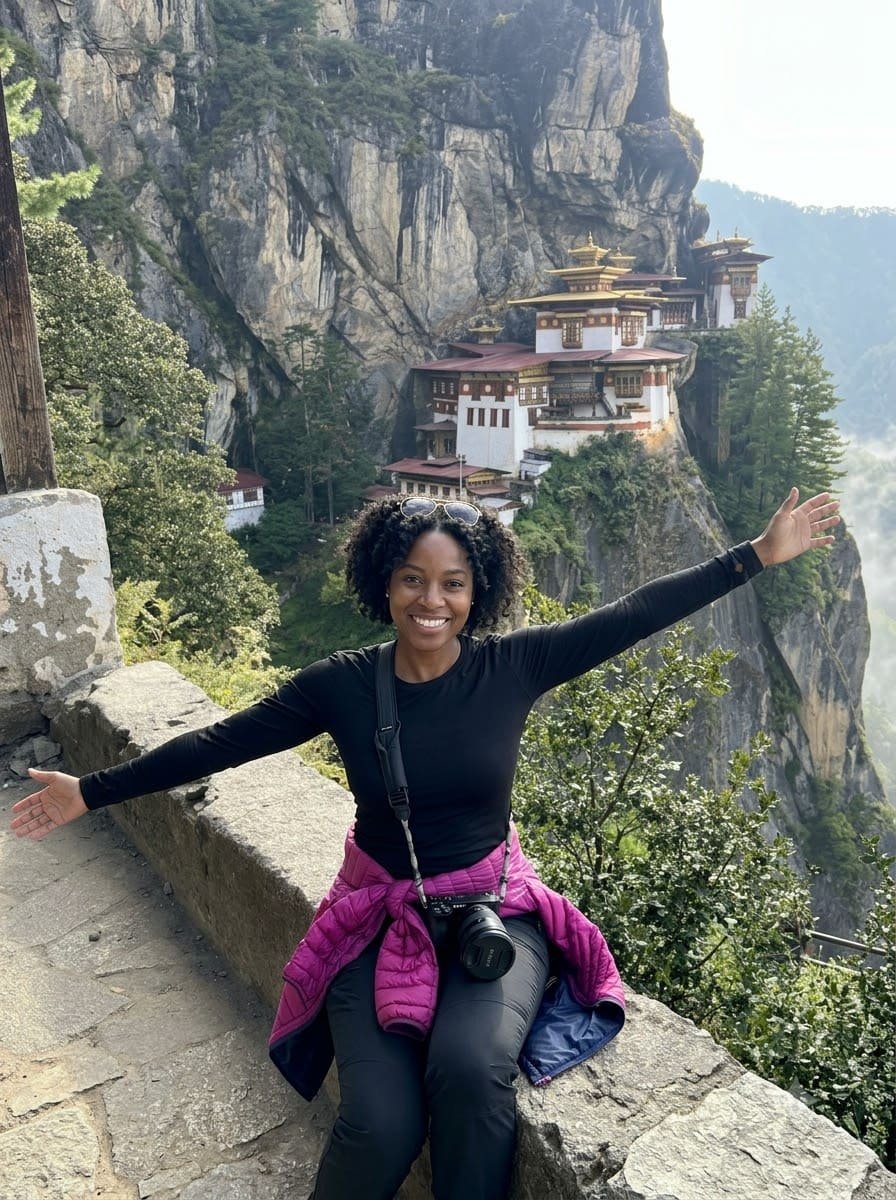
Here is a confession from the itinerary business: travelers remember verbs, not nouns. Nobody comes home raving about a coordinate; they rave about the morning they climbed through cloud to Tiger's Nest, or the hour they spent watching archers celebrate a bullseye at improbable range. So this page treats the Bhutan tourist attractions as experiences first and landmarks second. Six experience types open the tour — hikes, fortresses, ceremonies, crafts, wellness and viewpoints — each described the way you will actually live it. Then come five moments worth building a day around, the rules for how experiences stack into an itinerary, and the ones that need booking ahead. Three routes follow, each built around a different way of doing Bhutan rather than seeing it. Bring comfortable shoes; most of this page happens on foot.
Bhutan Tourist Attractions, Sorted by Experience
Every attraction in the country belongs to one of six families, and each family asks something different of you. Sort by experience and the itinerary almost writes itself.
The hike
Tiger's Nest and its cousins: forest trails that end at prayer-flagged heights. The famous one takes half a day and a fair set of knees; the lesser ones take an hour and give back a valley. Either way, the doing is the point.
The fortress
Dzong courtyards and chapels, entered over wooden bridges and holding more history than most museums. You walk them slowly, shoes scuffing centuries, and leave understanding why the country's business still happens here.
The ceremony
Tshechu masked dances: color, horns, and stories told at full volume in a courtyard full of families. Visitors sit among locals, follow the guide's whispered commentary, and come away with the trip's most vivid afternoon.
The craft
Workshops and weaving studios where paper is pulled from pulp and looms click out cloth the slow way. You watch, you try, you buy far too much — and the souvenirs finally mean something.
The wellness
Hot-stone baths in farmhouses, and evenings that end early and well. The stones are heated in a wood fire and rolled into the water while you wait, which is half the theater and all of the charm.
The viewpoint
Passes and big-sky roads: chortens, prayer flags, and the Himalaya doing its occasional, unforgettable party trick. The doing here is standing still in the wind, drinking tea, and grinning at the weather's timing.
Five Bhutan Tourist Attractions Worth the Trip Alone
These four cards and the climb that tops them describe moments, not places — the seconds and minutes you will still be describing at dinner parties a decade hence. Build at least one of them into every Bhutan itinerary.
A dawn start on the Tiger's Nest trail
The moment: cold air, dark pines, and the monastery emerging from cloud above you while the switchbacks tick past. By the time the tour groups arrive, you are already at the teahouse, warm and quietly smug. Worth every alarm clock.
An hour inside Punakha Dzong's courtyards
The moment: sun on whitewash, the river murmuring beyond the wall, and a courtyard so balanced it seems designed to slow your pulse. Sit on a bench, do nothing, and let the hour run long. The fortress rewards idlers.
A festival day watched from the crowd
The moment: horns, drums and a masked whorl of color, with grandmothers in silk explaining the story to grandchildren beside you. You understand perhaps a tenth of it and remember all of it. Bring patience and a hat.
The quiet after a hot-stone bath
The moment: stepped out of the steam, wrapped warm, tea in hand, absolutely no plans. The hike's complaints have dissolved and the evening has nowhere to be. This is what the brochures mean by wellness.
How the Experiences Stack Into an Itinerary
Experiences have weights, and a good itinerary balances them like a loading plan. Five rules do most of the work — each one borrowed from a guide who has stacked these days a hundred times.
Stacking rules for an experience-first plan
The order experiences meet each other decides whether the trip hums or sags
Do the climb before the trip's rhythm sets, while jet lag still makes early nights welcome and the legs are fresh for switchbacks.
Courtyards are for lingering, not ticking. One fortress done properly beats three collected from the car park, and guides know the benches that matter.
A Tshechu day wants nothing scheduled around it — arrive early, stay late, and let the drive days fall on either side rather than the middle.
Balance the big-sky stops against the driving, and never promise a pass an audience before lunch. Morning haze is the honest enemy of panoramas.
Markets wander, villages invite, tea lasts longer than planned. One unscheduled afternoon lets the country show you something no list could have named.
Attractions That Need Planning Ahead
Some experiences simply happen; others need a second layer of scheduling that runs beneath the sightseeing. Six of the second kind, each worth a line in your planning notes.
- Festival dates set by the lunar calendarThey shift with the moon, so announcements come from operators rather than almanacs. Name your festival first; the dates will pick your week for you.
- Trek permits filed well in advanceAny multi-day walk needs paperwork your operator files early — route, season, group size. A day hike asks nothing of you; a trek asks for months.
- Dzong visits inside working hoursFortresses are offices and monasteries first, sights second. Morning and late-afternoon windows are the reliable ones; your guide schedules around the active hours.
- Hot-stone baths arranged through your operatorThe best baths are farmhouse baths, and they are booked, not found. Name the night you want one — hike day is the classic — and it appears.
- Archery sessions booked as experiencesThe grounds welcome visitors, but a session with instruction and local company is arranged like any other activity. Ask for a Thimphu or Paro evening.
- Museum days checked against weekly closuresMuseums keep closing days like anywhere else, and a tight itinerary can collide with one. Your operator marks them on the written plan before you fly.
None of this is difficult — it is simply a second layer of scheduling that runs beneath the sightseeing. Hand your operator the list of experiences you care about and let them do the arithmetic; that is precisely what licensed planners are for, and they are better at it than any booking engine.
On entry fees and the nightly visitor fee: both are set by the government and revised periodically, so this page prints no figures. Festival entry, monument tickets and the Sustainable Development Fee should all appear as named lines on your written quote — confirm the current rates in writing before you commit to anything.
Itineraries Built Around Experiences
Three itineraries, each built around a way of doing Bhutan rather than a list of gates to pass through. All run via a licensed operator with guide, vehicle and permits included; each bends around the experiences you weight heaviest.
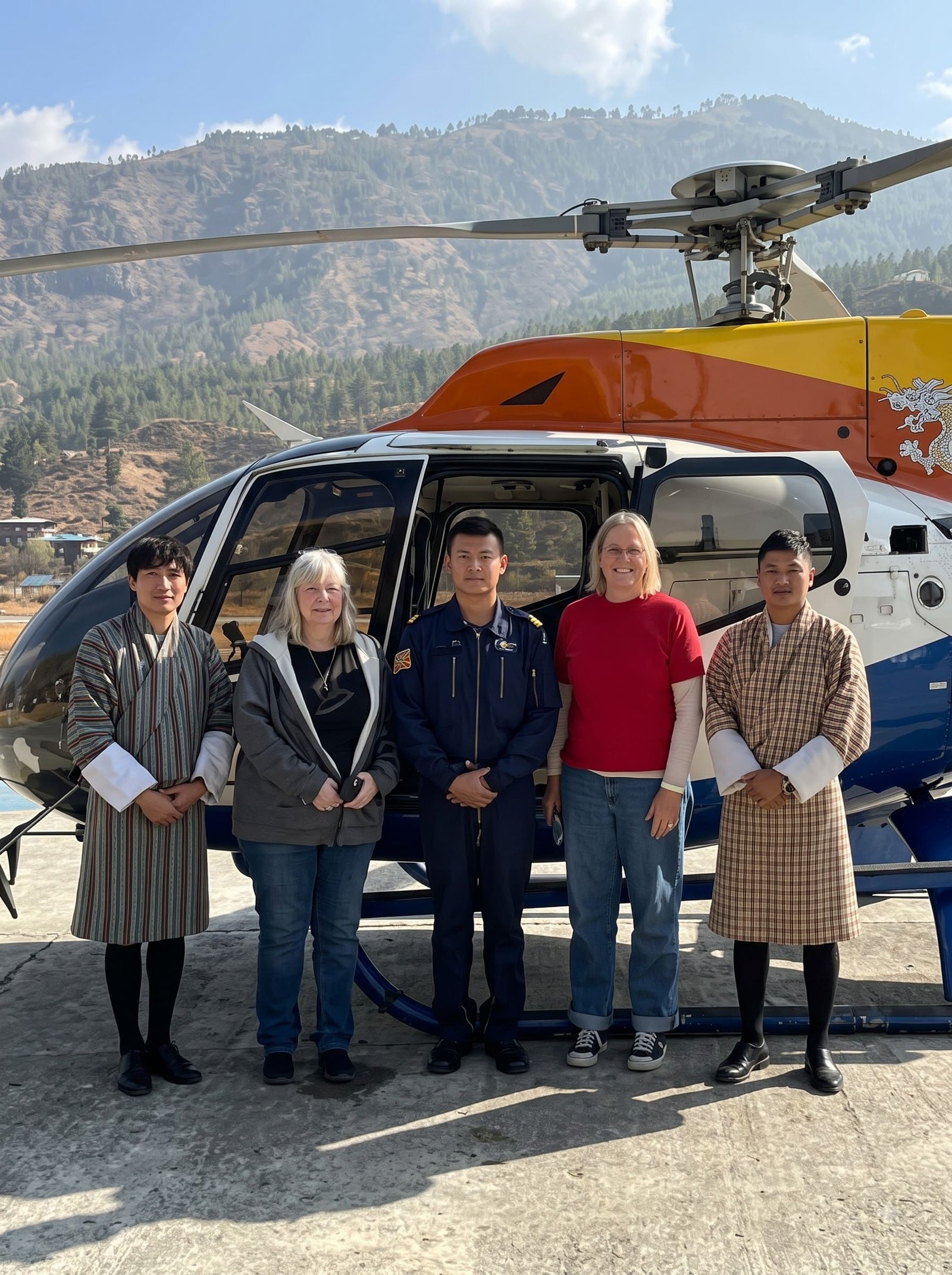
Culture-First Week
7 Days6 Nights / 7 Days · the culture loop: Paro, Thimphu, Punakha
Ideal for: experience-first travelers on one week off
- Craft studios and a long fortress visit, done properly
- Farmhouse hot-stone bath on the temple-walk evening
- An archery session with local company in Paro
- The monastery climb placed on the first full day
Best for: doing, not just seeing — one week with hands, feet and ears busy, and not a single drive-by fortress on the schedule.
See the day-by-day plan

Hike-and-Wellness Ten Day
10 Days9 Nights / 10 Days · Paro · Thimphu · Punakha · on to Phobjikha
Ideal for: walkers and soakers with days to spare
- Four walks of rising ambition, one per valley
- Khamsum Yulley's hilltop temple above the rice terraces
- A valley nature trail in the crane bowl
- Every trail day paired with a slow, warm evening
Best for: trail days paired with slow evenings — legs busy by noon, feet up by dark, and a bath night precisely where it belongs.
See the day-by-day plan
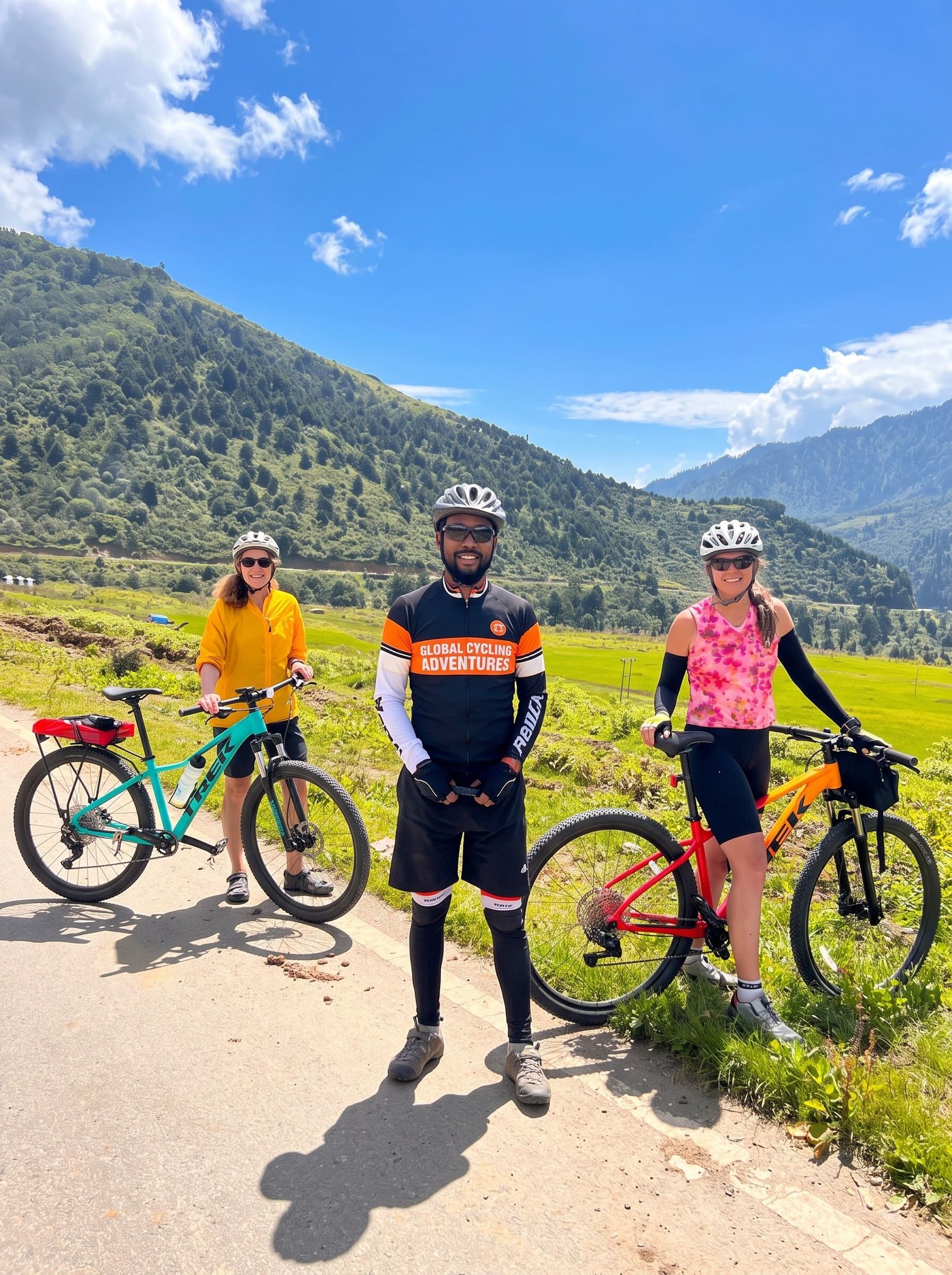
Festival-and-Valleys
8 Days7 Nights / 8 Days · built around a Tshechu: Paro, Thimphu, Punakha
Ideal for: ceremony and color at the trip's center
- A full festival courtyard day, not a drive-by visit
- The climb done before the ceremony days begin
- Valley mornings balanced against courtyard afternoons
- Dates confirmed in writing against the lunar calendar
Best for: timing a trip to the dance grounds — travelers who plan backward from the festival and let the valleys arrange themselves around it.
See the day-by-day plan
Each itinerary above flexes — the bath can move, the festival can anchor the whole week, and nights can rebalance between valleys. Send your travel window and headcount, and a travel designer will return a written plan with the government-set fee confirmed in writing.
Timing the Experiences, Month by Month
Experiences keep calendars too. Festivals cluster in specific months, trails firm up in the clear windows, and the bath is best when the evening is cold. The bars show sky clarity and booking pressure; the notes read them through experience-colored glasses.
Experience conditions, by month
Higher bar = clearer skies — and busier courtyards
Plan around two clusters and the rest falls into place: festival months bring the courtyards alive — and the hotel calendars with them — while the clear-season months belong to the trails. The monsoon is the quiet season for doing and the high season for soaking, which for a certain kind of traveler is exactly the pitch.
What an Experience-First Booking Covers
The question that matters for this kind of trip: which experiences are inside the quote, and which are add-ons? The grid below is the typical split — make your operator's written version match it line for line.
Inclusions
- All accommodation, from valley lodges to the farmhouse that hosts the bath
- A licensed guide for every experience named on the written itinerary
- Festival entry where the route is timed to a Tshechu
- Monument and museum tickets for the sights listed on the plan
- Private vehicle and driver to every trailhead, courtyard and studio
- Visa filing and the nightly Sustainable Development Fee at the government-set rate
- Route permits beyond the Thimphu-Paro corridor
- Full-board meals, including the farmhouse dinner that follows a bath
- Paro airport transfers at both ends
Exclusions
- International flights to the hub, and the Paro air tickets themselves
- Optional add-ons not on the written plan — extra bath sessions, pony service on the climb
- Travel insurance, including medical evacuation cover
- Bar drinks and personal snacks
- Textiles, stamps and other souvenirs the studios will tempt you with
- Gratuities for guide and driver, given personally
Documents for the Experience List
An experience-first trip runs on the same six papers as any other, plus a little planning hygiene. Gather them early and every courtyard, trailhead and bathhouse will wave you through.
- Passport: valid well beyond your return; carried on trail days and drive days alike.
- Visa approval letter: the printed clearance your operator forwards; immigration at Paro wants paper, not pixels.
- Fee confirmations: the government-set visa and nightly visitor fee at current rates, in writing — festival seats and bath nights book against them.
- Insurance policy: printed, explicitly naming medical evacuation — non-negotiable on any itinerary that includes a cliff monastery.
- Festival calendar confirmation: your operator's written note of which courtyard on which day, kept handy in case announcements shift.
- Copies of everything: one paper set in a different bag, one digital set waiting in your email — permits, approvals, insurance.
Experiences have physical demands, and honesty pays. The hike needs knees and a head for heights, the festival needs standing and sun, the bath needs blood pressure that tolerates heat. Flag any conditions to your operator when booking — they will shape the plan kindly, and nobody on a Bhutan trail has ever regretted candor.
Attractions in Bhutan are verbs disguised as nouns — you do not see a dzong, you walk its courtyards; you do not see a festival, you stand in its crowd.
Field Notes for Getting More From Each Experience
Six field notes, collected from guides and repeat travelers. None requires spending; all of them require remembering.
Start hikes at dawn
The trail is cooler, the light is better, and the afternoon stays yours. Every guide will say the same thing; the trick is believing them on night one.
Carry small notes for studios
Craft studios and village workshops are cash-friendly, and the temptation they present is serious. Small notes from a town ATM keep the purchases honest.
Sit with the crowd at festivals
Take the local seats your guide offers rather than the visitor rail. You will understand more, laugh more, and be offered tea by strangers who become the story.
Book the bath for hike day
The stones work best on tired legs. Schedule the farmhouse bath for the evening after the big climb and you will sleep like the dead, gloriously.
Ask before every photograph
Dancers, monks, grandmothers in silk — all of it photographs beautifully, and all of it photographs better after a smile and a question. The answer is usually yes.
Keep one soft afternoon
The best experience of the trip may not be on the itinerary. Leave one afternoon unbooked and let the country audition for the slot.
Frequently Asked Questions: Bhutan Tourist Attractions
Which Bhutan tourist attraction is the hardest to visit?
Honest answer: the Tiger's Nest climb, more for the descent than the ascent. The trail itself is well made and busy with pilgrims of all ages, but it commits most of a day and asks real knees on the way down. Everything else on this page — fortresses, festivals, baths — is gentler than its reputation suggests.
Are festival dates fixed?
The dates move with the lunar calendar, so they land in different weeks each season, and the biggest ones draw rooms and flights tight around them. Operators receive the announcements and build trips backward from the courtyard days. If a festival is your reason for going, say so first and let everything else arrange itself around it.
Can visitors join an archery game?
Yes, and it is one of the best evenings a visitor can spend. Locals gather at the grounds in the late afternoon, visitors are waved into the shooting line, and the national sport's cheerful heckling needs no translation. Ask your guide to time an archery session with a Thimphu or Paro evening.
What happens at a hot-stone bath?
River stones are heated in a wood fire, then rolled into a water trough in a wooden bathhouse, and you soak while the minerals do their work. It is the traditional end to a hiking day, usually arranged through your operator at a farmhouse and often followed by dinner there. Book it for the evening after the big climb.
Can I photograph inside dzongs?
Courtyards and exteriors, generally yes. Chapel interiors vary — many prohibit photography to protect centuries-old murals — and the caretakers' word is final. The etiquette is simple: ask your guide before every raise of the camera, and never photograph dancers during a ceremony without checking the local custom first.
Which attractions suit children?
Plenty. The festival courtyards are theater for children of any age, the archery grounds are loud and joyful, the Buddha viewpoint involves zero walking, and the fortress courtyards give them room to roam. The monastery hike works for school-age kids started early; the craft workshops are the rainy-day insurance.
Do Bhutan tourist attractions need booking ahead?
Festivals yes, in the sense that rooms around them vanish first. The experiences that need arranging ahead are the bath, the archery session and any trek, all booked through your operator. Fortress and temple visits simply follow their working hours, which your guide builds the day around.
What is there to do on rainy days?
More than you would fear. Museums, craft workshops and textile studios sit in every main town, fortress courtyards wear rain gracefully, a farmhouse kitchen will happily hold you over tea, and the hot-stone bath was invented for exactly this weather. Rain in Bhutan is a schedule tweak, not a write-off.
Ready to Do Bhutan, Not Just See It?
Send a travel designer your window, your headcount and the experiences above that you refuse to skip — the written itinerary comes back with the hike placed early, the festival at the center, and the government-set fee confirmed in writing before any deposit is mentioned.