
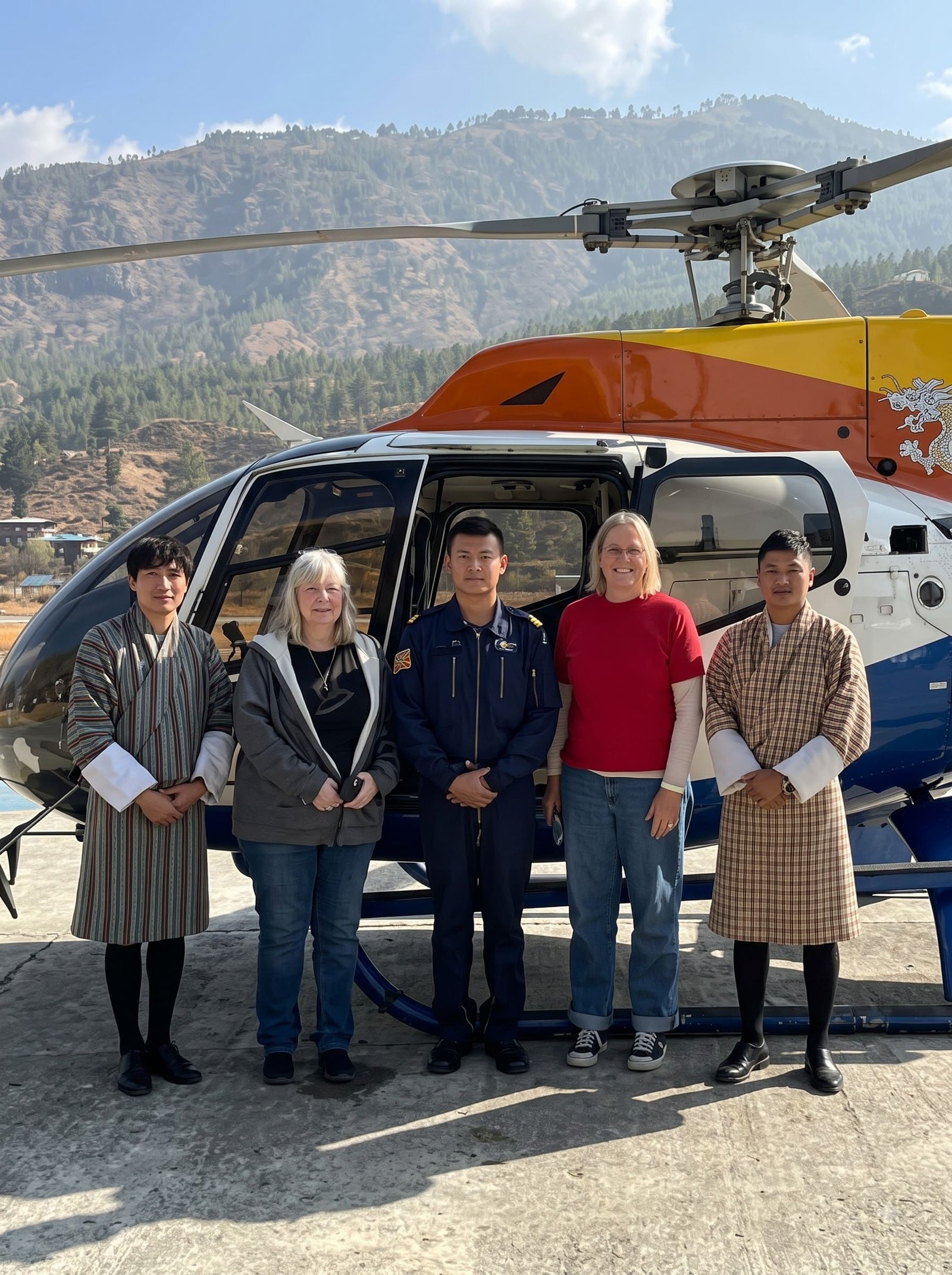
Ask returning travelers what surprised them about a Bhutan tour and the answer is rarely the monasteries — it is the pace. The country runs its tourism deliberately: every visitor travels with a licensed guide and a private vehicle, the valleys sit hours rather than minutes apart, and the days are built around one or two genuine sights instead of a checklist of ten. That structure surprises people who expected either a backpacking free-for-all or a coach-bus shuffle, and it is exactly what this page explains. Over the next several sections we walk through a typical day from breakfast to bedtime, look at what your guide actually does between stops, how meals and evenings work, and how the seasons bend the rhythm. Three full itineraries show that rhythm at different lengths, and the FAQ at the end collects the questions travelers ask after they have read everything else.
The Shape of a Typical Tour Day
Brochures show the places; the day itself has a shape. Across operators and itineraries, a Bhutan tour day follows a predictable arc — and knowing the arc helps you plan flights, hikes and expectations around it rather than against it.
Mornings
Breakfast comes early, because most driving happens before lunch while the light is clean and the roads are quiet. By nine you are usually moving. By ten, the first valley view is already behind you.
Midday
Midday belongs to the road itself — a tea stop, a roadside chorten, a pass with prayer flags snapping in the wind. The drives are not dead time. In many ways they are where Bhutan actually happens.
Afternoon
One headline sight gets the afternoon: a dzong's courtyards, a monastery ridge, a market street. Your guide paces it so you finish curious, not exhausted, with time left to simply sit and look.
Evenings
Towns roll up early. Dinner runs long and conversational, the streets empty by nine, and most nights end early — tomorrow starts before the mist lifts off the hills.
Most of the driving happens in the morning, on purpose. Mountain roads are calmest and clearest before midday, so guides front-load the mileage and give the afternoons to the sight itself. That single scheduling choice explains most of how a Bhutan tour day feels — and why breakfast rarely runs late.
Why the Pace of a Bhutan Tour Feels Different
Not every day of a Bhutan tour is the same day wearing different clothes. Operators think in day types, and so should you — the five below cover nearly everything on a standard itinerary, and each one sets its own tempo.
The five day-types, and how each one runs
Your itinerary is mostly these five days in a chosen order
The long legs happen before lunch, while roads and light are at their best, leaving the afternoon for one proper stop instead of three rushed ones.
Short hops between dzong, market and cafe, with the guide adjusting on the fly because everything sits within a few minutes of everything else.
Tiger's Nest or a valley trail gets the whole morning, a late lunch follows, and the evening stays deliberately empty so legs can recover.
Courtyard seats go to the early, so the day inverts: arrive at the masked dances when they begin, then use the afternoon for the town around them.
Regional flights leave Paro in the morning, so the last day starts at the airport, not with a farewell stroll — plan the final night accordingly.
What Your Guide Actually Does
The licensed guide who rides with you is the single biggest difference between a Bhutan tour and a self-drive anywhere else. Between trailheads and dzongs, a whole second job happens — most of it invisible until you need it.
- Route and timing decisionsYour guide reworks the day around weather, road work and festival crowds, often before you notice anything was worth reworking.
- Monastery access and etiquetteThey know which courtyards are open, when prayers close them to visitors, and how to move through sacred spaces without stumbling into offense.
- Translation and storiesEnglish is widely spoken in Bhutan, but the best details — inscriptions, jokes, family histories — surface in Dzongkha first, and your guide carries them across.
- Restaurant and menu navigationThey know which kitchens cook fresh, which dishes travel well between valleys, and what to order for the traveler who claims not to like spicy food.
- Permits and checkpoint paperworkRoute permits beyond Thimphu and Paro are checked on the road; your guide keeps the paperwork moving so you stay in your seat for the view.
- Weather calls and plan-B thinkingWhen a pass closes or a flight wobbles, the plan bends around it — a good guide has already driven the alternative before you think to ask.
Notice what is missing from that list: reciting dates. A good guide behaves less like a lecturer and more like a local friend with a car, a plan and a quiet sense of responsibility for your time. Ask about their own valley, their family's festival, what they eat on a long drive day — the trip gets better every time you do.
On tipping: it is not a Bhutanese tradition, but on international tours it has become a normal gesture at trip's end, and your guide and driver will have earned it several times over by then. Amounts are genuinely at your discretion — ask your operator what most travelers on your itinerary do, and treat the answer as a range, not a rule.
Food on a Bhutan Tour
Eating is one of the underrated pleasures of a Bhutan tour, and it follows its own daily arc. The pattern below repeats almost everywhere, with the towns offering the widest range and the valleys the most memorable kitchens.
Hotel buffets and set menus
Breakfasts and most dinners happen at your hotel: buffet spreads in the towns, hearty set menus in the valleys, with Bhutanese dishes and familiar western ones sharing the table.
Farmhouse lunches
Some of the best meals of the trip come out of a farmhouse kitchen — red rice, ema datshi, dal, and whatever the garden picked that morning. Book them through your guide.
The momo-and-tea stops
Drive days are punctuated by steamer baskets of momos and sweet milk tea at roadside cafes. Consider them the highlight reel of Bhutanese highway food, and pace yourself accordingly.
Hot-stone bath evenings
In Punakha and the wider valleys, an evening soak in a wooden tub heated the traditional way — river stones dropped in blazing hot — pairs perfectly with a long day on the road.
Meals are part of the package. A Bhutan tour is effectively full-board: breakfast, lunch and dinner are covered under your operator's plan, so the daily machine runs without you reaching for your wallet. Variety peaks in Thimphu and Paro; in the valleys, expect honest, seasonal cooking rather than long menus.
Three Tours, Three Rhythms
The three itineraries below are the same country at three different tempos. Each runs through a licensed operator with a private guide and vehicle; the day plans are real sequences, not montages, and the night splits show where the time actually goes.
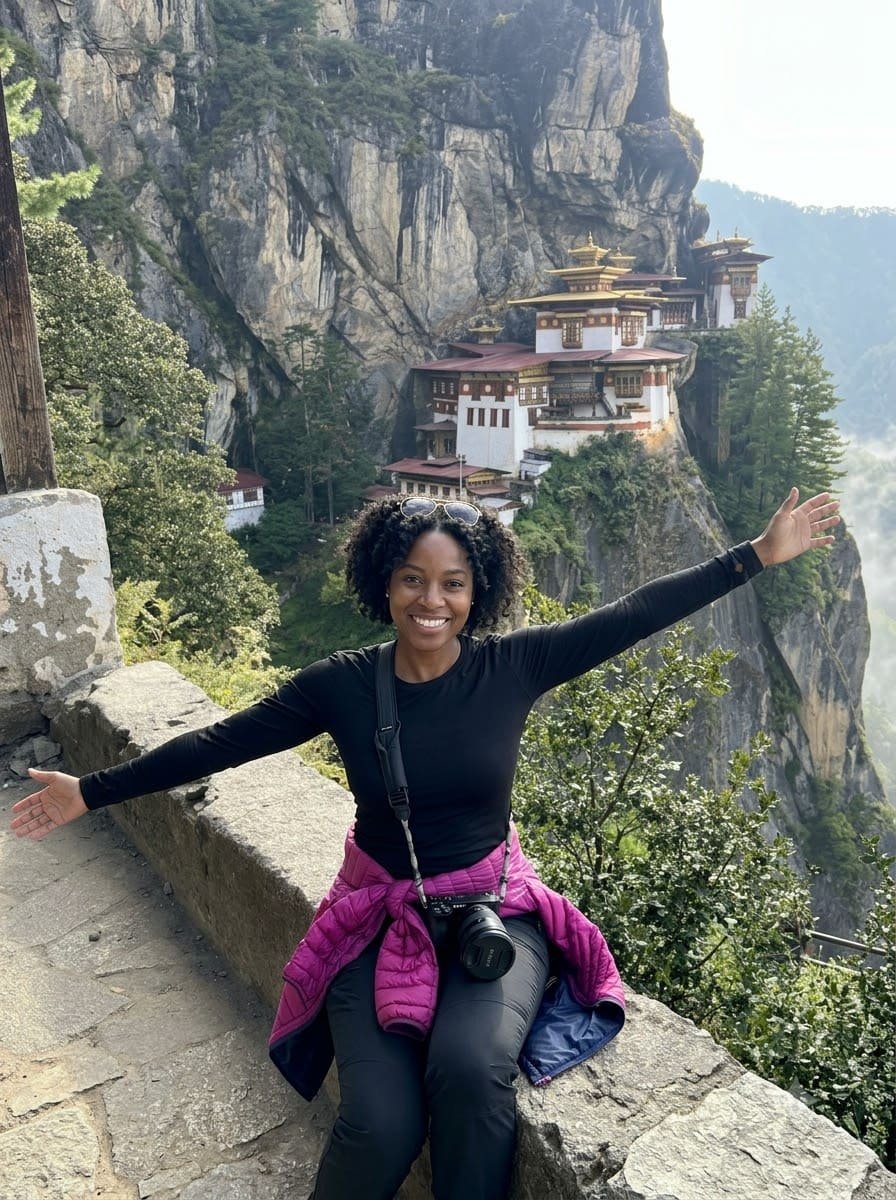
The First-Timer's Tour
7 Days6 Nights / 7 Days · Paro · Thimphu · Punakha
Built for: first visits and travelers who want the classic circuit without shortcuts
- The classic western circuit at a pace that never sprints
- Tiger's Nest climbed early in the week, while legs are fresh
- Two nights in Punakha instead of a rushed day trip
- A farmhouse lunch and a hot-stone bath folded into the rhythm
Best for: travelers with one week who want the classic Bhutan tour rhythm, done properly.
See the day-by-day plan

The Deep-Valley Tour
10 Days9 Nights / 10 Days · Paro · Thimphu · Punakha · Phobjikha
Built for: slow travelers and repeat visitors who want depth per valley
- Two full nights in every valley, including Phobjikha
- Built for travelers who measure trips in mornings, not checklists
- Crane-center visits and valley trails at a slow, local tempo
- Long drives broken by stops that are worth stopping for
Best for: travelers who would rather have two full nights per valley than one more town on the list.
See the day-by-day plan
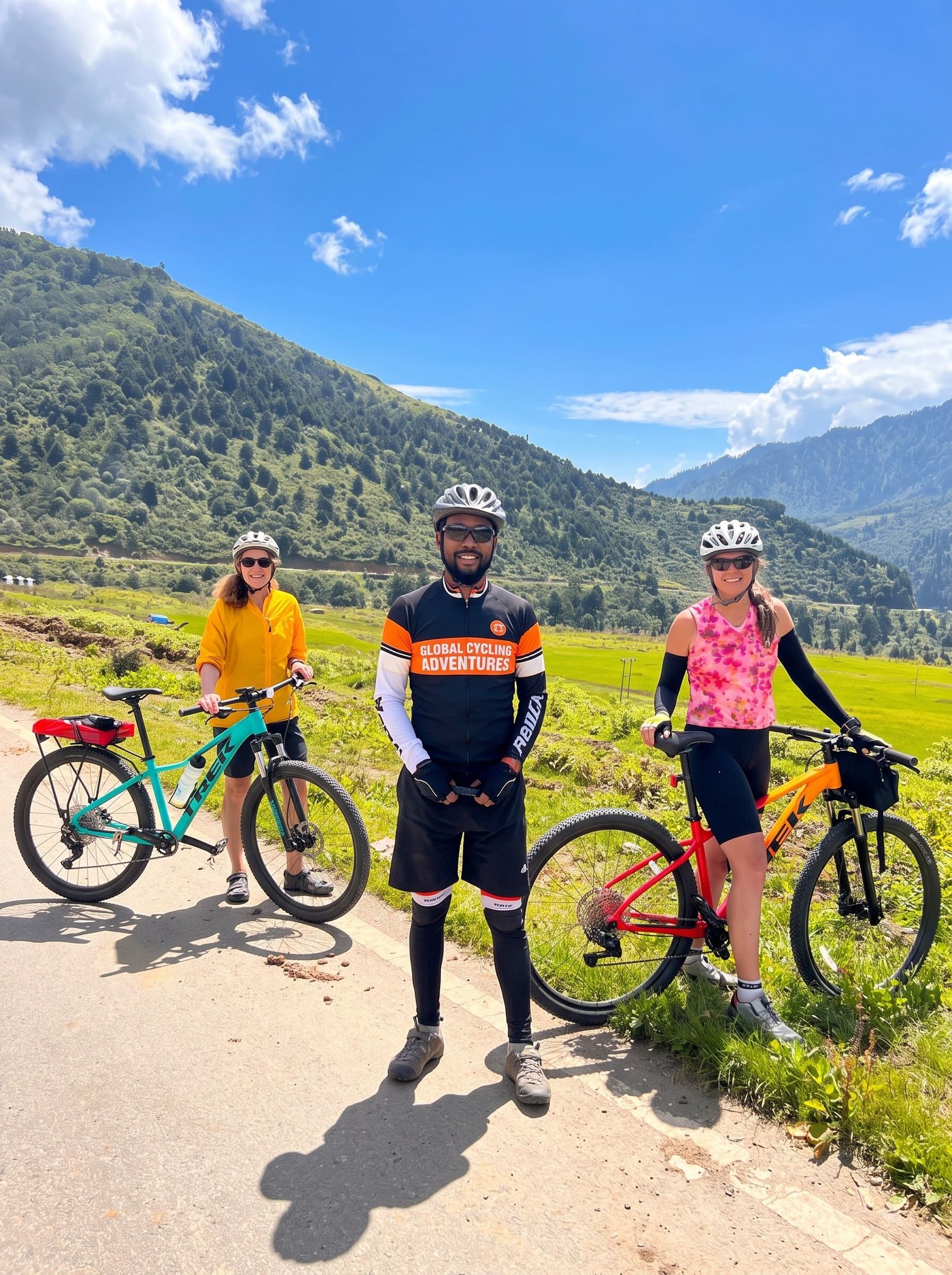
The Festival Tour
8 Days7 Nights / 8 Days · Paro · Thimphu · Punakha, around a Tshechu
Built for: ceremony seekers and photographers chasing masked-dance days
- A full festival day in the courtyard, not a passing glimpse
- Early arrival at the dances for unobstructed views
- Dochula and Punakha threaded around the ceremony dates
- Festival dates confirmed in writing before anything else locks
Best for: travelers anchoring an entire trip around a Tshechu masked-dance festival.
See the day-by-day plan
Treat the three plans above as starting points — nights can shift between valleys, and dates can anchor to a festival announcement. Send dates, headcount and departure city, and a designer will reply with a written itinerary and the government-set fee confirmed in writing.
Small Customs Worth Knowing
None of these customs will get you scolded — Bhutanese hosts are gentle with visitors — but practicing them changes how the trip feels. They cost nothing, and doors open a little easier once they become habitual.
Walk clockwise
Circles matter: chortens, mani walls and temple courtyards are walked clockwise. Follow the locals' shoulders and you will never get it wrong.
Shoulders covered at dzongs
Dzongs are working administrative and monastic buildings, not ruins. Covered shoulders and no hats inside the courtyards are the baseline of respect.
Ask before photographing people
A raised camera and a caught eye earn a smile far more often than a snapshot from across the street. Some ceremonies bar photos entirely — ask first.
Use two hands
Offer and receive anything — tea, fruit, a khada scarf — with both hands, or the right hand supported at the wrist by the left. It reads as simple courtesy.
Speak softly inside temples
Whisper-volume in prayer halls, phones silenced, and let your guide lead the sequence of the room. The atmosphere is the attraction; protect it.
Shoes off where racks appear
If there is a shoe rack at a doorway, that is your instruction. Socks on cold stone floors are a small, worthwhile tax on entering.
How Seasons Change a Tour Day
The architecture of a tour day holds steady all year; what changes is the weather's veto power and the crowd level at each stop. The bars below show sky clarity and booking pressure by month, with notes on how each stretch of the calendar bends the day.
How the tour day shifts, month by month
Higher bar = clearer skies — and more company in the courtyards
The bones of the day barely change with the season — early start, morning mileage, one headline sight — but the texture does. Winter trades festival crowds for frost on the windshield and shorter afternoons. The monsoon trades clear passes for rain plans and indoor courtyards. If your dates are fixed, your guide simply bends the day to fit whatever the sky is doing that week.
What the Daily Machine Includes
Because every foreign visitor travels through a licensed operator on a full-board plan, the daily running costs of a Bhutan tour are largely settled before you land. The list below shows what typically keeps the machine turning — compare it against any quote you receive.
Inclusions
- Hotel rooms for every night of the itinerary
- A licensed English-speaking guide for the whole trip
- Private SUV and experienced driver for all valley drives
- Entry arrangements for dzongs, museums and festivals in the plan
- The nightly Sustainable Development Fee, at the government-set rate
- Airport pickup and drop-off at Paro
- All three meals, every day, under the full-board plan
- Bottled water in the vehicle throughout
- Route permit processing for travel beyond Paro and Thimphu
Exclusions
- International flights to the hub, and the Paro flights themselves
- Alcoholic drinks and specialty teas beyond the table
- Personal shopping, from handicrafts to trekking poles
- Travel insurance, including medical evacuation coverage
- Tips for the guide and driver, handled personally at trip's end
- Costs from weather delays to Paro flights or missed connections
Documents and Paperwork to Carry
The document trail for a Bhutan tour is short, but it does get checked — at immigration, at hotel desks, and at road checkpoints once you leave the Paro-Thimphu corridor. Carry paper copies, because signal is not guaranteed where they get requested.
- Passport: valid well beyond your return date, with a couple of photocopies riding in a different bag.
- Visa clearance copy: the approval your operator files before travel; immigration stamps the visa into your passport at Paro.
- Fee receipts: the one-time visa fee and the nightly Sustainable Development Fee are government-set and revised periodically — carry the confirmations your operator issues, with current rates confirmed in writing before you book.
- Route permit details: arranged by your operator for travel beyond Thimphu and Paro, and checked at the road checkpoints.
- Insurance summary: policy number and the medical evacuation line, in case a valley clinic asks.
- Printed itinerary: with your operator's phone number, because a dead phone in a valley should never leave you stranded.
A word on the medical side: care outside Thimphu is basic, and the nearest serious hospital for much of your route is a drive away. Pack your own prescription medicines with a margin, keep your guide informed of anything relevant, and check that your insurance explicitly names medical evacuation from remote areas.
A Bhutan tour is a series of good mornings — early starts, long light, and roads that make the distance feel earned.
Small Things That Make Tour Days Smoother
Pack layers, not bulk
Valley mornings bite and middays glow. A fleece under a shell beats a single heavy parka. It also packs down to nothing between drives.
Carry small notes
Roadside tea stops and craft stalls run on cash, and change can turn into a negotiation. Small denominations keep the stops moving and the vendors smiling.
Charge overnight, every night
Photos, offline maps and messages drain batteries faster at altitude. The vehicle usually has a charging point, but the hotel socket is the reliable one.
Keep a day-bag up front
Water, a layer, sunscreen and snacks ride with you; the main bag stays with the luggage. Your guide will remind you anyway — this way you beat them to it.
Walk the town after dinner
The streets are safe and nearly empty, the street dogs are lazy, and the mountains show their shapes at dusk. It is the cheapest, best hour of the day.
Tell the guide your pace
Fast walkers, long lunches, photography detours — say it once on the first morning and the whole tour quietly re-tunes itself around you.
Frequently Asked Questions: Inside a Bhutan Tour
Will the tour feel rushed?
Not if the itinerary is built honestly. Most rushed-feeling trips come from squeezing four valleys into one week; a well-designed Bhutan tour gives each valley at least one unhurried day and puts the long drives in the morning. Tell your operator up front that pacing matters more than checklist depth, and the daily plan will reflect it.
Can I travel without a group?
Yes. Most Bhutan tours are private departures — just you, your companions, a guide and a driver — rather than fixed-date group departures you join with strangers. Solo travelers are welcome too, though the vehicle and guide expenses are not shared, which is why operators often suggest shoulder-season dates to keep the overall quote comfortable. Confirm the arrangement in writing.
What are evenings like?
Quiet by design. After dinner — usually at your hotel in the smaller valleys, or at a town restaurant in Thimphu and Paro — most travelers take a short walk, watch the archers, or simply turn in early, because the next morning starts early too. Think of evenings as recovery time built into the tour rather than lost time.
What if I do not like the food?
You will not go hungry. Bhutanese hotels used to serving international guests keep a spread of simple western dishes alongside local ones, and your guide can steer you toward milder versions of classic dishes — the chilies are a flavor, not a dare. Say what you like early in the trip and the kitchen stops along the route will adapt.
How long are the drives?
Shorter than the map suggests in the west, longer than you expect heading east. Paro to Thimphu is an easy hop; Thimphu to Punakha takes the better part of a morning over the pass; journeys toward Phobjikha or central Bhutan claim most of a day. Distances are modest, but the mountain roads set their own tempo.
Should I tip my guide?
Tipping is not a Bhutanese tradition, but it has become common on international tours, and guides genuinely appreciate it when the trip has gone well. There is no fixed rule — ask your operator what most travelers do and handle it in whatever currency feels natural. Build it into your planning as a personal expense rather than a package line.
Will I have phone service?
In and around the towns, yes — coverage along the main western routes is dependable, and hotels in Thimphu and Paro have workable wifi. Service thins out in the deep valleys, and it can drop entirely on the passes. Download offline maps before you leave Paro, and treat any signal in remote valleys as a bonus rather than a plan.
Can laundry be done mid-tour?
Yes, and it is worth planning around. Hotels in the bigger towns handle laundry within a day, and a two-night stop in Thimphu or Punakha is the natural place to reset your bag. In the smaller valley lodges, drying can be slow in winter, so pack enough layers to cover a damp sock or two.
Ready to Tour Bhutan at Your Own Pace?
Tell us the window you have, who is coming, and how slow or full you want the days to run. A travel designer will shape an itinerary around your rhythm, send a written quote with the government-set fee confirmed, and ask for no deposit to start.