
Duration is the least glamorous question in travel planning and the one that decides the most. Pick a seven-day bhutan tour package when you have exactly a week, and the country will fill that week neatly; pick it when you actually have ten days, and you will spend the surplus wishing you had added Phobjikha. Because the journey here always involves two long flights and a regional hop on each end, the calendar math is less forgiving than for closer destinations — a fact most package pages wave away. This guide works the other direction: it starts with the duration bands that actually exist, shows what each band covers valley by valley, and lets you match a package to the time off you genuinely hold rather than the one you wish you had.
Three Duration Bands, Three Very Different Trips
Strip away the marketing names and every package on the market lands in one of three bands. What separates them is not just night count — it is which valleys are reachable honestly, and how much slack the plan carries when mountain weather votes.
The one-week circuit
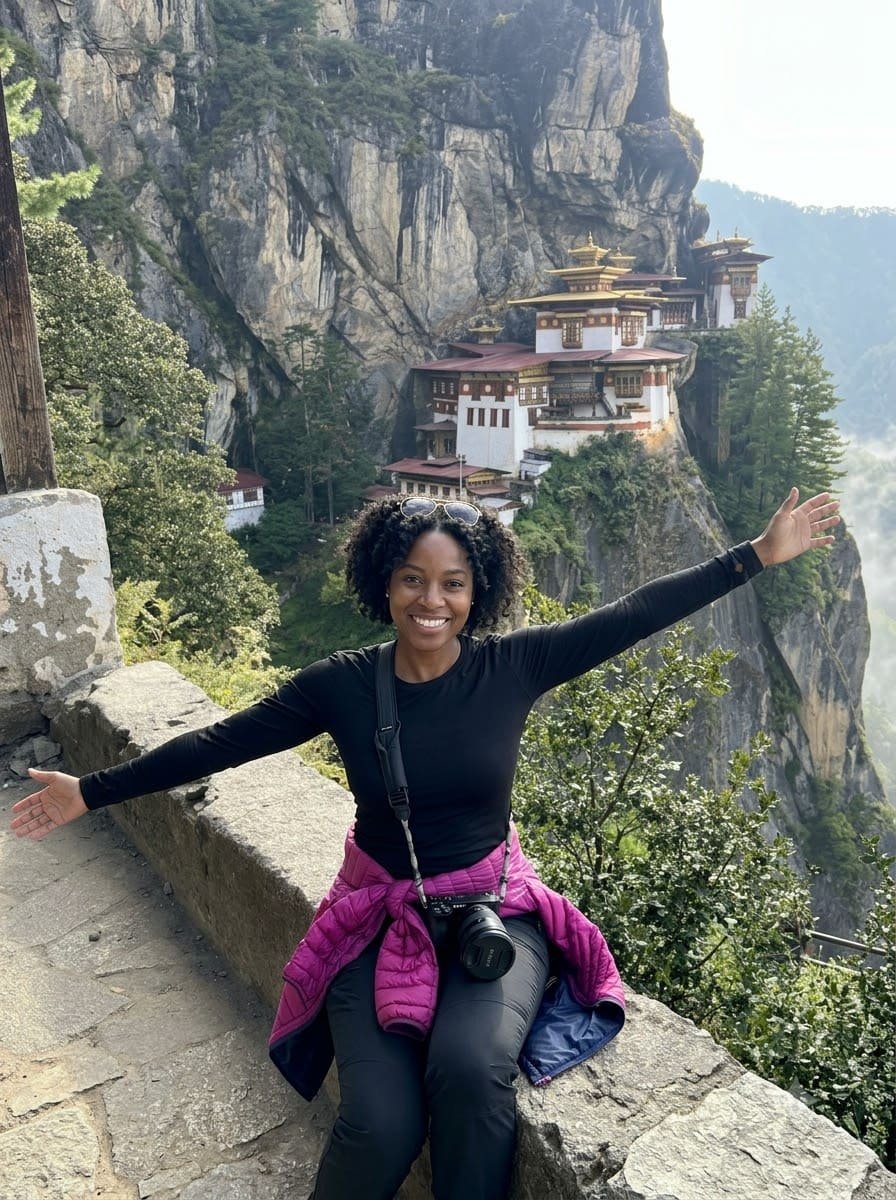
Six nights across Paro, Thimphu and Punakha, with the Tiger's Nest hike and the Dochula crossing included. The drives are short, the days are full, and nothing on the route is skippable — the tightest honest Bhutan trip.
The eight-to-ten-day middle path
The same western core, plus either a real stopover in the gateway city or two slow nights in Phobjikha. This is the band where pacing improves faster than coverage does, and the one most repeat travelers wish they had chosen first.
The two-week journey
Thirteen days pushes east over Pele La into Trongsa and Bumthang — dzong country, wide valleys and the long road days that come with them. Built for the traveler making one deep trip instead of two shallow ones.
Why four or five days rarely works
Two long-haul legs plus a regional connection on each end eat the edges of any short trip. By the time you land, adjust, and turn around, a five-day plan delivers three real days — a poor return on the world's longest approach.
The flight math is the hidden tax on short trips. However you route it, reaching Paro costs at least two flights each way, and the regional leg lands in the morning only if your long-haul timing cooperates. Count door-to-door days, not itinerary days, before you fall in love with a compact itinerary — the difference between the two is often two full calendar days.
Matching a Package to Your Calendar
Before comparing itineraries, audit the time you actually have. The six steps below take fifteen minutes and prevent the most common booking regret: a package length chosen for the story it tells rather than the leave it consumes.
- Count true time off, door to doorStart from the evening you leave home, not the day you land. The journey out and back typically claims two calendar days on its own.
- Add a rest day after arrivalThe first morning after a long-haul flight is a write-off for most people. Budget for it instead of scheduling a highlight into it.
- Check school and holiday calendarsFamily trips live or die by term dates. Note the exact windows before you ask an operator for anything, and remember Thanksgiving and spring break pull hard on flights.
- Anchor any festival date firstIf a Tshechu is the reason for the trip, its dates are fixed and everything else bends around them — including your duration band.
- Hold a buffer dayOne slack day at the return end absorbs a fogged-in Paro morning without costing you a missed connection at home.
- Lock dates before visa paperworkThe eVisa is filed against specific dates, so changing your mind later means refiling. Decide the calendar first, then start the paperwork.
Two of these steps deserve emphasis. The buffer day looks like waste until the morning your Paro flight is held on the ground by valley fog, at which point it looks like genius. And festival anchoring cuts both ways: it fixes your dates memorably, but it also removes the flexibility that makes shoulder-season bargains possible.
The Routing Behind Every Package
The same nine days behave differently depending on which hub your Paro flight leaves from. Schedules, transfer friction and stopover quality all shift — here is how each gateway treats an identical duration.
Bangkok buys flexibility
The widest Paro schedule of the four hubs, with departures that let a seven-day plan connect cleanly. If your dates are fixed by work rather than by choice, Bangkok is the hub most likely to respect them.
Delhi adds a day, well spent
A daily flight and modest transfer friction make Delhi efficient, and it opens the India extension — Agra before or after Bhutan fits naturally into a ten-day build.
Kathmandu rewards the ninth day
The Himalaya-hop into Paro is reason enough to route through Nepal, but the pairing shines when you give it two nights. That is why so many nine-day builds start in Kathmandu rather than treating it as a lounge.
Singapore asks for slack
Only a couple of weekly Paro departures, so this hub suits travelers whose dates move. On a fixed calendar it can add an unplanned night on either end — pleasant, but rarely the plan.
Fees do not change with duration — but their weight does. The nightly Sustainable Development Fee and the one-time visa fee are set by Bhutan's government and revised periodically, and on a seven-day package they are one line among many, while on a thirteen-day plan they carry real weight. Either way, ask for the current rate in writing and check it appears as its own invoice line.
Compare Bhutan Tour Packages by Itinerary
Four plans follow, one per duration band, each shown with its nights-per-valley stack so you can see where the calendar actually goes. The differences are less about sights — all four see the dzongs — and more about how many mornings you get to move slowly.

Classic One-Week Circuit
7 Days6 Nights / 7 Days · Paro · Thimphu · Punakha
Ideal for: one clean PTO week, door to door
- Fits a single week of leave without borrowing days from either side
- Tiger's Nest climbed on day two, before the road miles arrive
- Short transfers between valleys keep every day usable
- Ends with a Paro night ahead of the morning flight
Best for: first timers who want the core circuit done properly and no further.
See the day-by-day plan
Stopover Combination
9 Days9 Days / 8 Nights · Kathmandu · Paro · Thimphu · Punakha
Ideal for: turning the layover into Nepal
- Two stamps in one passport from a single long-haul ticket
- Boudhanath and Durbar Square before Bhutan even begins
- The Kathmandu–Paro hop, a sightseeing flight in its own right
- A gentler descent into the trip than a same-day land-and-go
Best for: breaking the long haul with a real stop, not an airport chair.
See the day-by-day plan

Western Circuit Plus Phobjikha
10 Days10 Days / 9 Nights · Paro · Thimphu · Punakha · Phobjikha
Ideal for: two slow nights in a glacial valley
- A second Thimphu night, so the capital stops being a rest stop
- Pele La crossed in daylight with room to pull over
- Crane-season dates put black-necked cranes on the valley floor
- A full free day in Phobjikha for walking, not driving
Best for: unhurried travelers who measure trips in mornings, not checkpoints.
See the day-by-day plan

Two-Week Central Journey
13 Days13 Days / 12 Nights · Paro · Thimphu · Punakha · Phobjikha · Trongsa · Bumthang
Ideal for: the traveler who plans one big trip a year
- The full eastward run, past the turn-back point of shorter trips
- Trongsa Dzong, built into the gorge it used to govern
- Bumthang's valley temples, the country's spiritual core
- A return night in Punakha that splits the long drive home
Best for: central Bhutan done properly, with the road time owned up front.
See the day-by-day plan
Each plan above is scaffolding, not scripture — nights can shift between valleys, tiers can change, and stopovers can be added or dropped. Share your dates, group size and departure city for a written itinerary and a matching quote.
How Operators Customize Within a Duration
A fixed night count is less rigid than it sounds. Licensed operators adjust almost everything except the dates themselves, and the levers below are the ones worth pulling before you sign anything.
Shift a night between valleys
One night from Thimphu moved to Punakha changes the whole rhythm of a week. Operators reshuffle nights freely as long as the total and the permit route hold — ask for the version that matches your energy, not the brochure's.
Upgrade or simplify lodging tiers
The same route runs past standard hotels and boutique lodges alike. Changing tier mid-plan is normal practice; just ask which properties are actually named in the quote before you commit to either end of the scale.
Add a trekking or festival day
A Druk Path leg or a Tshechu date can be stitched into an existing band, though festival weeks may force the duration rather than fit it. Flag these interests early so the operator builds around them.
Trade a sightseeing block for free time
Half a day with nothing scheduled is a legitimate request, not a gap in service. Travelers who build one slow morning into each valley consistently rate their trips higher than those who checkpoint-crawl.
Send dates, headcount and departure city, and a designer will send back a written itinerary — including which levers above they pulled and why.
Booking Windows by Duration
Weather sets the shape of the year; your duration sets how early you must commit within it. Longer trips need more hotel nights in a country with a small hotel stock, so the two-week builds feel autumn pressure first.
Sky clarity and booking pressure, month by month
Higher bar = clearer skies — and earlier booking for longer trips
Read the chart as a bidding war you can opt out of. May and September deliver most of October's weather with a fraction of the contest, which matters most for thirteen-day plans that need many rooms to align. One-week travelers keep the most flexibility in any month — a scarce room hurts a lot less when you only need three valleys' worth.
What Every Duration Includes, and What It Never Does
Licensing fixes the skeleton, so a seven-day package and a thirteen-day journey share the same core services. What actually changes with length is the buffer — longer trips simply carry more slack against weather and roads.
Inclusions
- Every night's lodging from arrival to departure
- A licensed English-speaking guide assigned to your party
- Private SUV or minivan with its own driver
- Visa filing and all permit paperwork done for you
- The nightly Sustainable Development Fee, at the published government rate
- Paro airport meet-and-greet on both ends
- Breakfast, lunch and dinner daily
- Drinking water stocked in the vehicle
- A cultural bonus such as archery or a hot-stone bath
Exclusions
- International flights and the regional Paro seats
- Bar drinks and off-menu extras
- Museum entries beyond the itinerary
- Travel insurance and personal shopping
- Optional add-ons booked mid-trip, from treks to rafting
- Knock-on costs from weather delays at Paro
Documents Checklist by Trip Length
The list barely changes with duration; what changes is how much confirmation paperwork a longer trip generates. Bring the personal items, and let the operator's dossier cover the rest.
- Passport: six months' validity beyond your return date, with room for stamps.
- Visa clearance: filed by the operator, worth carrying in print as well as on your phone.
- Fee receipts: the Sustainable Development Fee and visa payment confirmations, checked at occasional checkpoints.
- Passport photos: a spare set per traveler for the permit offices.
- Insurance details: requested before any high pass or trek day, so have the policy number handy.
- Buffer confirmations: on longer trips, the hotel and flight vouchers that show your slack nights are real.
Longer trips raise the insurance stakes. Two weeks on Bhutanese roads means more passes, more remote valleys and more chances for an evacuation clause to matter. Check that your policy explicitly covers medical evacuation — and that it covers the full trip length, not a default window that quietly expires on day ten.
Pick the duration first and the country fills it in — pick the country first and you will always wish for one more day.
Tips for Comparing Packages
Compare stacks, not summaries
The nights-per-valley bars tell you more than any adjectives do. Two ten-day packages can split their nights so differently that they are barely the same trip — read the stack before the highlights list.
Count the drive days
Central itineraries spend real days behind the wheel. Ask an operator to mark which days are long transfers, then decide whether you are a road-trip person before booking one.
Weigh the stopover honestly
A Kathmandu or Bangkok stop costs nights you could spend in valleys, but it also resets jet lag and doubles the story. There is no wrong answer — only one you should make deliberately.
Ask what day one looks like
The answer reveals the operator. A good plan lands you, feeds you and lets you sleep; a bad one schedules a monastery hike straight off the longest flight of your life.
Match duration to jet lag
The time difference eats the first two days no matter what. The longer the trip, the smaller the tax feels — one more argument for the middle band over the tight week.
Plan extensions as separate trips
If the calendar will not stretch now, a focused return trip beats a strangled one. Bhutan rewards repeat visits — the east is still there, and the permit paperwork gets easier the second time.
Frequently Asked Questions: Bhutan Tour Packages
How many days are ideal for a Bhutan tour?
For most travelers from the United States, eight to ten days is the sweet spot once flights are counted. Six nights covers the western core properly, ten days lets you add Phobjikha without hurry, and thirteen days is the honest minimum for central Bhutan. Anything shorter spends a disproportionate share of the trip in airports rather than valleys.
Is one week enough for a Bhutan tour package?
Yes, with conditions. A six-night circuit covers the western trio — Paro, Thimphu, Punakha — with the full Tiger's Nest hike in it, and the short drives between those valleys make it feasible. What one week cannot absorb is a stopover, a festival, or a weather delay — so it works best when your flights connect cleanly and you accept a brisk pace.
What does a nine-day package add over a seven-day one?
Two extra nights, spent one of two ways: a genuine stopover in the gateway city, usually Kathmandu, or two unhurried nights in Phobjikha Valley. The first turns a layover into a second destination; the second adds the valley most first trips skip. Both also give you slack to absorb a fogged-in morning at Paro without missing a flight.
Is a two-week Bhutan trip worth the extra time off?
If central Bhutan is why you are going, yes — Trongsa and Bumthang sit a full driving day beyond the western valleys, so a shorter trip never reaches them honestly. Two weeks also suits travelers who would rather make one deep trip than two shallow ones. If you are unsure, a ten-day trip is the safer first commitment.
Do festival dates affect package duration?
They anchor it. A Tshechu runs for several fixed days at a specific dzong, so the itinerary is built backwards from those dates, and you cannot shift the festival — only the trip around it. Travelers targeting Paro or Thimphu Tshechu should expect to book earlier and hold a day on either side of the festival for travel.
How early should longer Bhutan trips be booked?
The rule of thumb: the longer the trip, the earlier the commitment. A one-week circuit can come together a couple of months out in shoulder season, while a two-week central journey aimed at October or November should be started several months ahead, because it needs more hotel nights in the small properties that sell out first.
Can I extend a Bhutan package once the trip has started?
Often, yes — extensions for extra nights in a valley are among the easiest changes to arrange, since the permit zone and visa are already in place. Your guide can request the change through the operator, subject to hotel availability. What is harder to change mid-trip is the Paro flight itself, so confirm any extension against flight availability before committing.
Which duration suits families with kids?
Eight to ten days tends to work best. The extra nights let you keep drive days short, hold a slow morning after the long flight, and skip attractions when the kids are done. One-week plans run tight with children, and two-week central journeys ask for more patience on the road than most families want to spend.
Ready to Match a Duration to Your Calendar?
Send the dates you can realistically take, your group size and your departure city, and say which duration band feels closest. A travel designer will map a package to the calendar you actually have — written itinerary, transparent quote, and no deposit to start.