
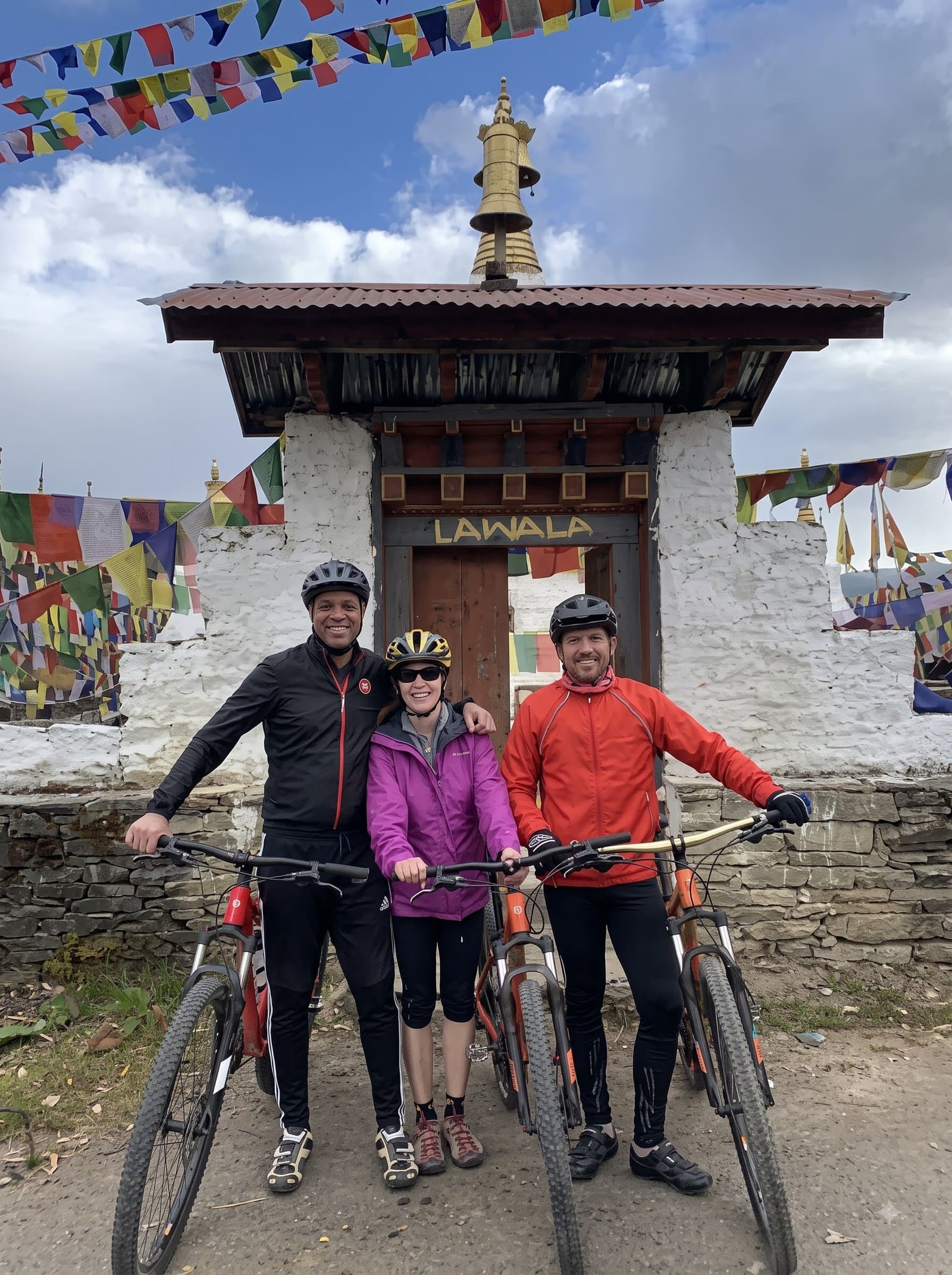
Ask what is included in a Bhutan tour package and most answers say everything, which is technically true and practically useless. Everything means a named hotel each night, a government-licensed guide who travels with you, a private vehicle with its own driver, three meals a day, the eVisa and Route Permit filings, and the nightly Sustainable Development Fee — each a distinct service that an honest quote names separately. It also means knowing what sits outside the bundle: international flights, the regional Paro airfare, insurance, and your own appetites. This page takes one package apart layer by layer, shows the paperwork underneath, and teaches you to read a written quote the way an operator writes it — so you can compare offers on structure instead of adjectives.
The Six Layers of a Bhutan Tour Package
Strip the brochures away and a package is six services stacked in a fixed order. Each layer has its own quality range, and each deserves one specific question in the quote.
Accommodation tier
Standard, premium or boutique — the tier shapes the trip's feel more than any single sight. Ask for actual property names per night; two hotels in the same tier can live on different planets, and the difference compounds night after night.
Licensed guide
A government-licensed guide accompanies the party throughout — translator, weather reader, restaurant negotiator and temple interpreter in one. Ask for the person's license and background, not the promise of our guides in general.
Private vehicle and driver
A dedicated SUV or minivan with its own driver, water stocked, bags loaded. On mountain roads the driver's judgment matters as much as the guide's knowledge, so ask how long drivers have run these routes.
Meal plan
Full board is the norm: hotel breakfasts, packed lunches on drive days, dinner at the hotel or in town. Somewhere in the week there should be a farmhouse lunch — that meal is half the culture.
Permits, visa and the SDF
The paperwork layer: eVisa filing, Route Permits for the valleys beyond Thimphu and Paro, and the nightly Sustainable Development Fee — arranged, collected and receipted by the operator, each on its own line.
Curated experiences
The layer that personalizes: an archery session, a hot-stone bath, a farmhouse kitchen, a monastery visit timed to morning prayers. One or two are usually included; ask which, and what counts as an extra.
Where the flights sit. The international legs and the regional Paro airfare sit outside most package quotes — but the operator times everything around them. Paro flights land in morning windows, so the first and last nights of any package are built backward from the schedule two carriers fly. Confirm who holds the Paro tickets and when they are issued: after clearance, never before.
Permits, Visas and the Sustainable Development Fee
Underneath the six layers sits the paperwork that makes the trip legal. Six steps, in order, none of them yours to file — the operator's license exists precisely so that yours is not the name on the forms.
- Check passport validityYour passport must be valid six months beyond your return date; Bhutan accepts no other travel document for entry.
- Operator files the eVisaYour licensed operator submits the passport bio page, a photo and the agreed itinerary through Bhutan's online visa system.
- Route permit for the valleysTravel beyond Thimphu and Paro — Punakha, Phobjikha, the east — needs a Route Permit that the operator arranges with your documents.
- Clearance before ticketingDrukair and Bhutan Airlines issue seats only after visa clearance lands, so the paperwork sets your earliest possible departure.
- Fees bundled, not hiddenThe nightly Sustainable Development Fee and the one-time visa fee are collected together, usually inside the package invoice, each on its own line.
- Carry the receiptsPrint the visa approval and fee receipts; checkpoints occasionally ask for them and hotel reception desks sometimes copy them.
Run in order, the sequence has a useful property: at every moment exactly one thing is waiting, and you know which thing. Clearance gates the ticket, the ticket gates the arrival, and the permits wait quietly in the guide's folder until a checkpoint asks.
Why no figure appears here. The SDF and the visa fee are set by Bhutan's government and revised periodically — any number this page printed would age badly and mislead somebody. Ask the operator to confirm the current rates for your dates in writing, and expect each as its own named line on the invoice. That line item is the honest version of the answer.
How to Read a Written Package Quote
A quote is where the package either earns trust or loses it. Five lines should appear, in something like this order; their absence tells you as much as their presence.
The five lines of a package quote
If a line is missing, ask for it — silence is data
Hotel names and cities for every night, not tier adjectives. A tier word without a property name says nothing about where you actually sleep.
Confirms a dedicated guide and vehicle for your party, as opposed to shared arrangements that mean waiting for strangers at every gate.
Breakfast, lunch and dinner daily, including the farmhouse lunch and packed meals on drive days. Vague wording here becomes hungry evenings later.
The nightly Sustainable Development Fee and one-time visa fee as separate entries at the current government rate, confirmed in writing and revised only by the government.
International flights, insurance, drinks and personal spends — a quote without exclusions is not transparent, it is incomplete.
Details Worth Double-Checking Before You Sign
None of the following is a scandal; each is simply a detail that separates a smooth trip from an argument on the road. Check all four before signing anything.
Hotel names vs vague tiers
A premium hotel is a mood, not a booking. If the quote cannot name the property for each night, ask again — or treat the vagueness as the answer it is.
Guide-to-guest ratio
One licensed guide per party is the norm; larger groups should say explicitly how many guides ride along. A group of twelve and a group of four are different trips.
Vehicle age and backup plan
Ask the vehicle's vintage and what happens if it fails mid-route. A firm, unhurried answer here signals an operator who has needed the plan before.
Cancellation and weather-day policy
Paro cancels for weather and roads close for landslides. The quote should say what bends, what refunds, and who decides when the plan moves.
When the Same Package Feels Different
The package never changes; the country does. The same skeleton — Paro, Thimphu, Punakha — runs through twelve different moods, and the month you pick decides which trip you actually get:
One itinerary, twelve moods
Bar height tracks clarity and company — the layers stay constant either way
The interesting takeaway is that a package's value is seasonal in feel rather than in content. Quiet months buy you monasteries with three visitors; peak months buy you clear mountain light and company on the trail. Same layers, different trip — choose the month for the mood you want, not for the one a discount implies.
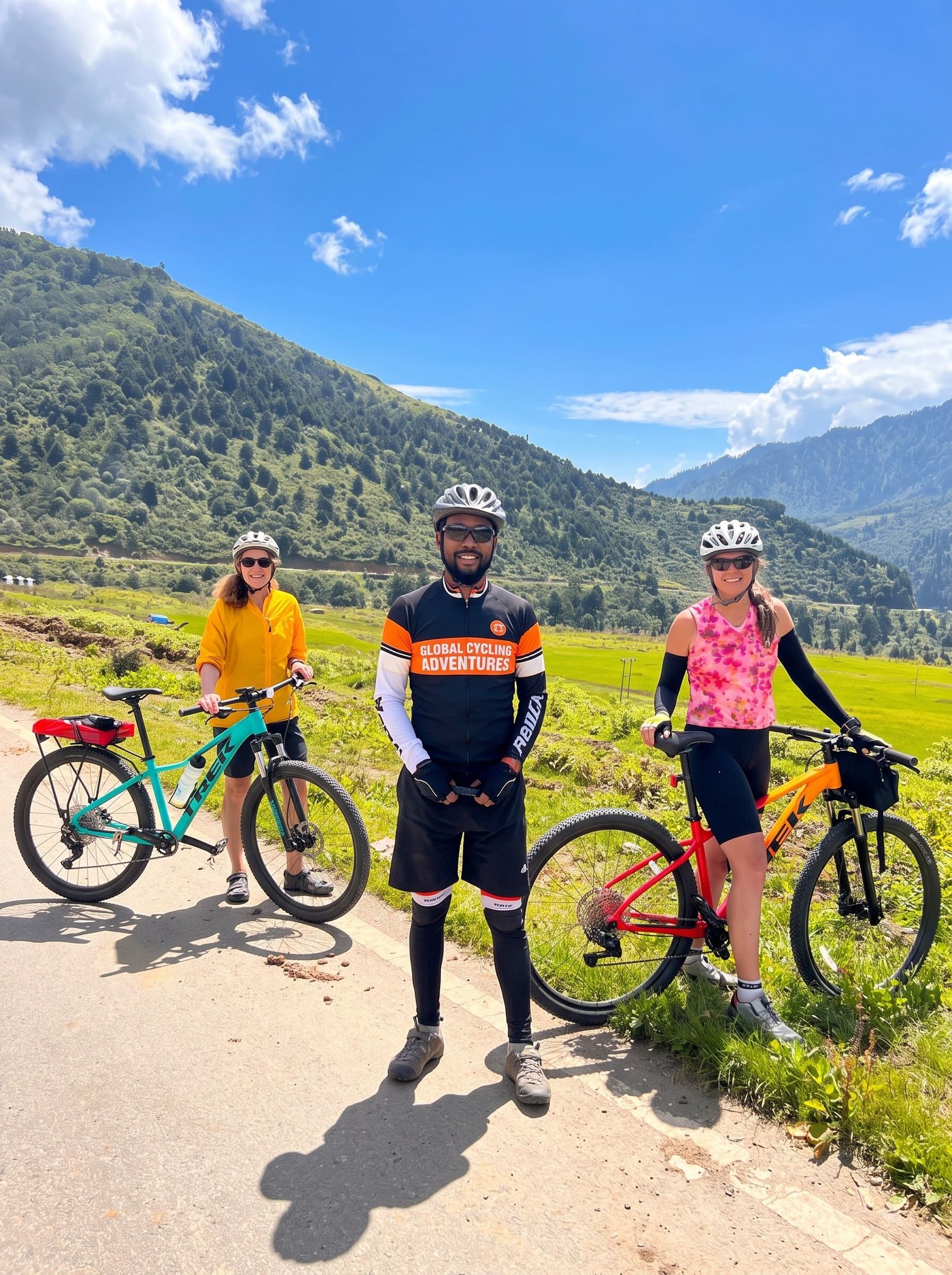
Three Package Builds on the Same Skeleton
To make the layers concrete, here are three builds on the same western skeleton — one comfort-paced, one active, one culture-max. Same six layers underneath; different weights on top.
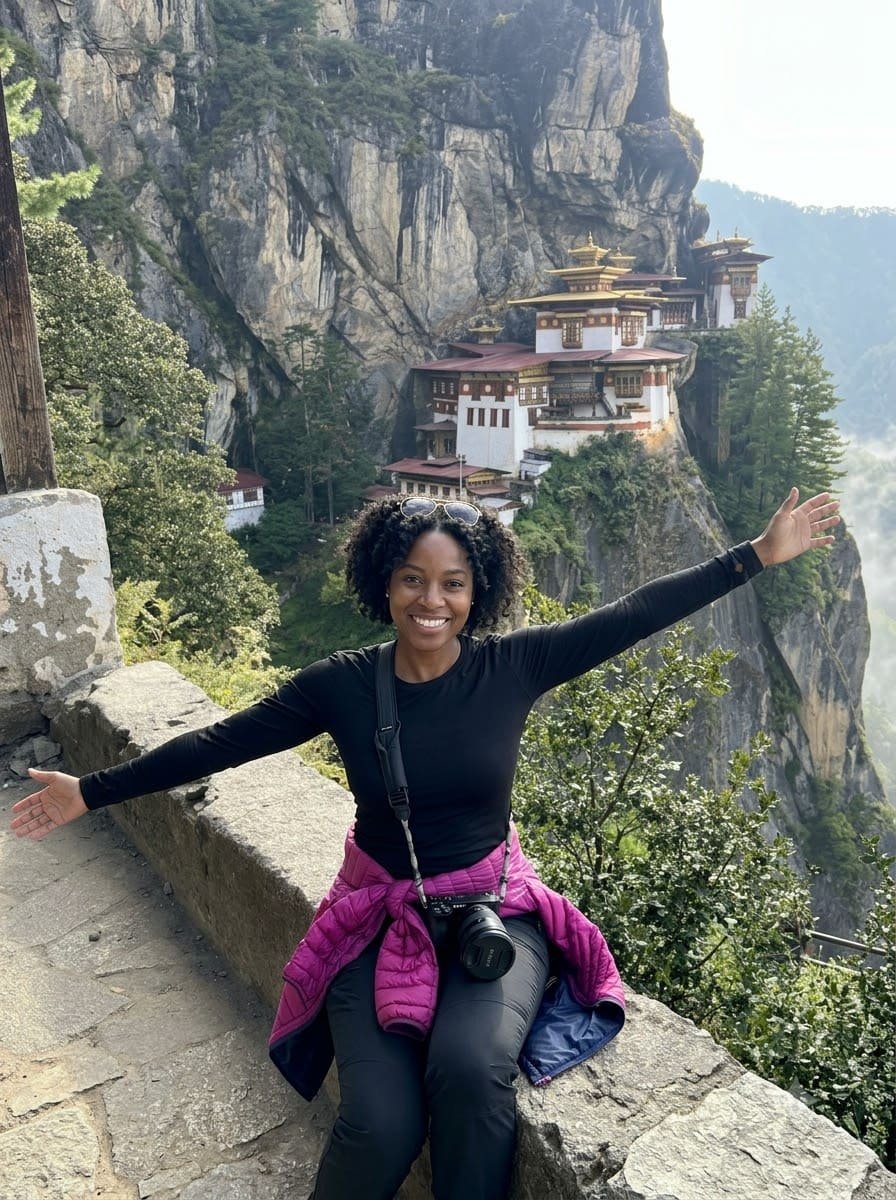
Comfort-Pace Classic
7 Days6 Nights / 7 Days · Paro · Thimphu · Punakha
Made for: steady pace and two-night minimums
- Leisurely first evening, hike on day two
- Tashichho Dzong with time to actually look
- Dochula crossing with a long tea stop
- Farmhouse lunch folded into the Punakha day
Best for: travelers who want the classic skeleton done comfortably.
See the day-by-day plan

Active Western Circuit
9 Days8 Nights / 9 Days · Paro · Thimphu · Punakha · Phobjikha
Made for: walkers who still want the culture
- Tiger's Nest on an early start, crowds behind you
- A ridge walk above Thimphu, guide-led
- Khamsum Yulley temple climb before the dzong
- Phobjikha valley walk to close the loop
Best for: adding real trail days without a camping trek.
See the day-by-day plan
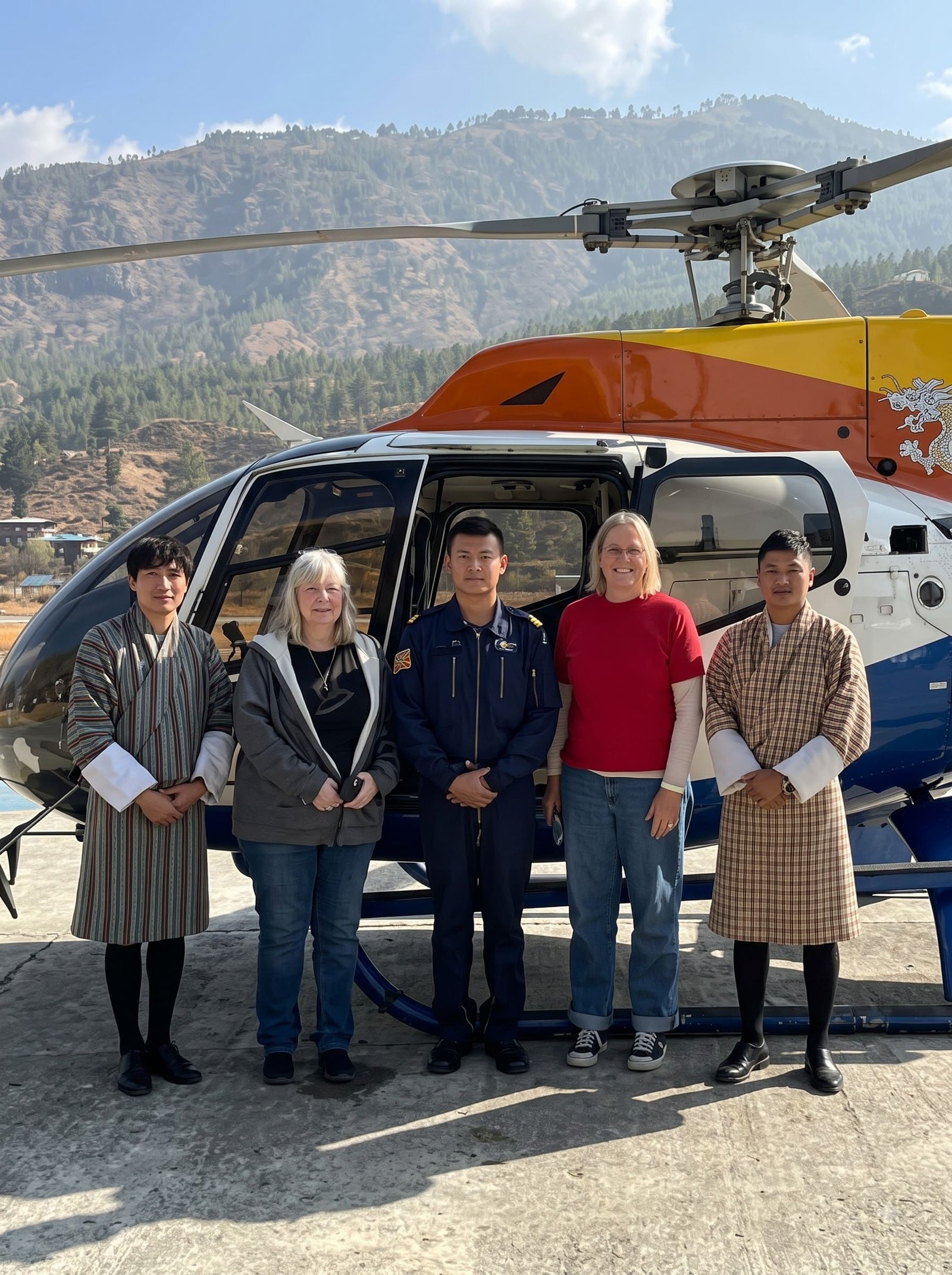
Culture-Max Ten Day
10 Days9 Nights / 10 Days · Paro · Thimphu · Punakha · Phobjikha
Made for: culture-first travelers
- Kyichu Lhakhang paired with the Tiger's Nest day
- Textile Museum and working craft studios in Thimphu
- A long, unhurried Punakha Dzong visit
- Gangtey crane centre and the valley nature trail
Best for: museums, monasteries and craft studios without rush.
See the day-by-day plan
These are starting templates, not fixed products. Send dates, headcount and departure airport, and the same six layers get reweighted into a written itinerary and quote that match how you actually travel.

What Comes In, Layer by Layer
Read the inclusions against the six layers above and the package stops being a black box: each line below is a layer, and each exclusion is a line you arrange yourself.
Inclusions
- Named hotel accommodation for every night
- A government-licensed guide traveling with the party
- A private vehicle with a dedicated, experienced driver
- Full board: breakfast, lunch and dinner daily
- eVisa filing and Route Permit arrangements
- The nightly Sustainable Development Fee at the government rate
- Paro airport transfers on arrival and departure
- Bottled water and packed lunches on drive days
- One curated experience, such as archery or a hot-stone bath
Exclusions
- International flights and the regional Paro airfare
- Travel insurance, including evacuation cover
- Alcoholic and specialty drinks
- Museum or event tickets beyond the agreed itinerary
- Personal shopping, tips and laundry
- Costs from weather-disrupted Paro flight days
The Paperwork That Sits Under the Package
Six documents carry the whole structure. Five arrive from the operator; one is yours to buy. Keep them together and the trip runs on rails.
- Passport: valid six months past your return date — the anchor of every filing.
- eVisa approval copy: filed by the operator, stamped into your passport on arrival.
- SDF and visa receipts: carried with you; checkpoints occasionally ask, hotels sometimes copy.
- Route Permit details: arranged for the valleys beyond Thimphu and Paro; your guide holds the original.
- Insurance with evacuation cover: named explicitly and shared with the operator before trek days.
- Signed quote and itinerary: the version you agreed to, so mid-trip changes are argued against paper.
Insurance, again, deliberately. It is the one document the operator cannot file for you. Buy a policy that explicitly names medical evacuation from remote valleys, share the details before any trek or high-pass day, and carry a printed copy. The request is not bureaucracy — it is the difference between a quick helicopter decision and a long phone-tree one.
The best Bhutan tour package quote reads like a recipe, not a riddle — every layer named, every fee explained, nothing left as a surprise at the airport.
Questions to Ask Before You Sign
Six questions, one email each. The answers separate operators who design trips from operators who forward PDFs.
Which hotels, exactly, per night?
Property names, or a confirmation date for them. Tiers without names are marketing; names are a plan you can look up.
Who is our guide, and what is their license?
A name, a license number and a specialty. Guides differ more than brochures admit, and the fit matters.
What vehicle, and what is the backup?
Model, age, and the plan when it fails mid-route. Confident answers mean the operator has needed the plan before.
Which fees appear as named lines?
SDF and visa fee, each its own entry at the current government rate, confirmed in writing. Bundles hide revisions.
What happens when weather moves a plan?
Who rebooks, who carries fare differences, and how a buffer day works. Mountain trips live on this answer.
What does the deposit actually lock?
Dates, hotels or nothing yet — and what is refundable if clearance or flights slip. Get the schedule in writing.
Frequently Asked Questions: Inside a Bhutan Tour Package
Is the nightly fee the same for every package?
The nightly Sustainable Development Fee is a government levy that applies to every non-regional visitor at the same rate, so it does not vary by package, operator or hotel tier. What varies is everything stacked around it. Because the rate is government-set and revised periodically, ask your operator to confirm the current figure in writing — no honest quote guesses at it.
Are hotels named in advance?
They should be. A serious quote names the property for each night, or at minimum lists the town and tier with a confirmation date. If an operator will only say 'a premium hotel in Punakha', ask for names before paying anything — the difference between two hotels in the same tier can define a whole valley stay.
What is usually excluded from a Bhutan tour package?
Expect the international flights, the regional Paro seats, travel insurance, alcoholic drinks, museum tickets beyond the itinerary, and optional add-ons booked on the spot. Also check the fine print for knock-on costs from weather-delayed flights — Paro cancels for weather more often than travelers expect, and a good quote tells you who carries which cost.
Can I see the guide's credentials before the trip?
Yes — ask for the guide's license number and how long they have been guiding; operators answer this readily. Guides in Bhutan are government-licensed, so the question is less about legality and more about fit: a trek-leaning guide for walkers, a monastery-mad one for culture travelers. Confirm who accompanies you specifically, rather than 'our guides'.
Is travel insurance part of the package?
No — insurance sits on the exclusions side, and you arrange it yourself. What the operator will do is ask for your policy details before trek days and high passes. Buy a plan that explicitly names medical evacuation from remote valleys; ordinary trip-cancellation policies often stop exactly where Bhutan starts to need them.
How are changes handled mid-trip?
Daily plans flex constantly — guides reshuffle sightseeing around weather, road works and energy levels as a matter of course. Structural changes, like swapping a hotel tier or adding a valley, go through the operator and depend on availability. Agree at booking which changes are free, which carry a cost, and who decides on the road.
What are the deposit and payment norms?
They vary by operator, so ask directly and get the schedule in writing: when the deposit is due, when the balance lands, and what is refundable if visa clearance or flights fall through. Reputable operators tie payment stages to milestones — booking, clearance, ticketing — rather than demanding everything upfront. Treat vague answers here as a signal.
Are there packages for a solo traveler?
Yes. Solo travel works under the same structure — your own guide, vehicle and itinerary — with the fixed costs spread across one person instead of two, so operators price it separately. Solo travelers should also confirm single-room availability at each named hotel early, since smaller valley properties hold few single rooms.
Ready to See Every Layer Named?
Send dates, headcount and departure airport, and Druk Yul Journeys will return a written itinerary with each layer of the package named — hotels, guide, vehicle, meals, permits and fees — plus a quote you can read line by line. No deposit is needed to start the conversation.