
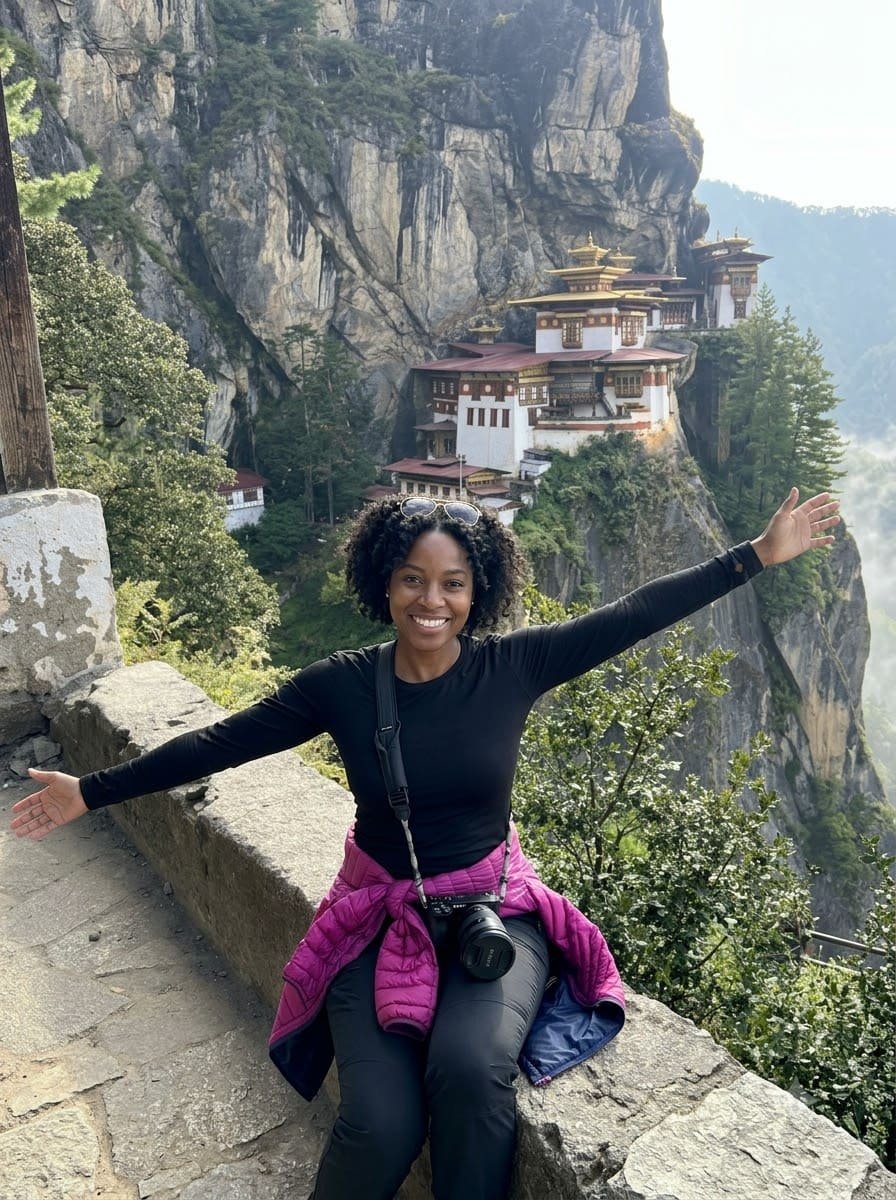
"Bhutan honeymoon packages" promise something most destination brochures cannot print: a country that still feels like a secret, with boutique lodges in glacial valleys, farmhouse hot-stone baths, and days paced for two rather than for a group. The structure underneath is the same as any Bhutan trip — licensed operator, private guide, the nightly Sustainable Development Fee — but honeymoon itineraries bend that structure toward slowness. Mornings start later, hotel changes come in two-night minimums, and free afternoons are treated as the point rather than a gap in the schedule. This page walks through how the packages actually differ, the romantic corners couples rate highest, the pacing rules that make it work, three ready-to-adapt itineraries, and the practicalities — privacy included — that make the whole thing feel effortless.
How Honeymoon Itineraries Differ
Ask an operator to convert a standard tour into a honeymoon and the changes are structural, not cosmetic. Four adjustments do most of the work, and every one of them costs days rather than dollars — the package simply gets shaped around the two of you.
Later starts
Mornings belong to the two of you. Departures shift to mid-morning, breakfast stretches, and the first sight of the day arrives after the second coffee. The country keeps; only the alarm changes.
Fewer hotel changes
Two-night minimums per valley replace single-night hops. Unpacking once, sleeping in the same bed twice, and knowing tomorrow's breakfast room — small things that compound into calm.
Private everything
Guide and vehicle are just for two, so the schedule bends to your energy instead of a group consensus. Detours happen when a valley looks good, not when a minibus agrees.
Built-in nothing
Free afternoons are the feature, not a gap. One anchor experience per day leaves deliberate space — a fireplace, a view, a long lunch — and the itinerary protects it like a booking.
Romance does not change the paperwork, just the pace. The same licensed-operator system and the same government-set nightly fee apply to honeymoons as to every Bhutan trip, and the visa clearance still arrives before the Paro ticket is issued. What changes is tempo: the operator files everything as usual, then builds the calendar around two people instead of a group.
The Romantic Corners of Bhutan
Bhutan does not do romance the resort-brochure way — there are no overwater bungalows at the end of the road. What it offers instead is a short list of corners so quiet and specific that couples plan whole days around them. Six come up again and again.
Phobjikha lodge fireplaces
Valley lodges in the glacial bowl of Phobjikha come with wood fires, deep windows and evenings that ask nothing of you. In crane season, the silence has wings attached to it.
A hot-stone bath for two
The traditional wooden tub, heated by river stones and booked privately at a farmhouse or lodge, lands best after a trail day. It is the country's answer to the spa afternoon.
Butter lamps at dusk
Lighting butter lamps together at a quiet lhakhang is one of the most intimate rituals the country shares with visitors. Your guide arranges it and then, wisely, steps back.
Dawn on the Tiger's Nest trail
Starting the monastery climb at first light puts the cliffside teahouse viewpoint in front of you before the crowds — a shared early morning neither of you will trade.
Riverside afternoons in Punakha
A picnic spread beside the river below the dzong, with the afternoon deliberately unbooked around it, turns the warmest valley in the country into the slowest hours of the trip.
Craft studios made for two
Paper-making, weaving and painting studios in Thimphu let couples make something together instead of buying it — and the results travel home better than magnets do.
The Two-Night Rule and Other Slow Secrets
Slow honeymoons do not happen by intention alone; they happen by structure. Five rules separate a genuinely unhurried itinerary from a standard tour with the word honeymoon attached to the brochure.
The pacing rules, ranked by effect
How operators build slowness into a couples itinerary
Any valley worth the drive is worth two nights. Single-night hops are the fastest way to make a beautiful country feel like a checklist.
One memorable thing — a dzong, a hike, a bath — leaves room for the unscripted hours that couples actually remember later.
A trail day is followed by a nothing day. The rhythm keeps legs willing, mornings lazy, and the Tiger's Nest climb feeling like a gift rather than a duty.
Half-day sessions in traditional dress need arranging early; good photographers fill their calendars around festival dates and the autumn light.
The final morning stays empty on purpose — slow coffee, unhurried packing, and no regret about the one thing that never got done.
Bhutan Honeymoon Packages, Three Shapes
Three honeymoon shapes cover most requests: the classic circuit at a couple's pace, a slow-valley ten-day with fireplace nights, and a festival-timed eight-day. All three keep the last night in Paro for the morning flight, and all three run private from arrival to departure.

The Classic for Two
7 Days6 Nights / 7 Days · Paro · Thimphu · Punakha
Ideal for: one-week honeymoons with the classics, softened
- Welcome scarves, a quiet first evening and no alarm
- The Tiger's Nest trail at dawn, spa hours after
- A riverside evening below the Punakha Dzong
- A private farmhouse hot-stone bath for two
Best for: the classic circuit run at a couple's pace — every headline sight, none of the rush.
See the day-by-day plan
The Slow-Valley Honeymoon
10 Days9 Nights / 10 Days · Paro, Thimphu, then Punakha and Phobjikha
Ideal for: silence seekers with a slow calendar
- Two fireplace nights in a glacial valley lodge
- Picnic and river day below the Punakha Dzong
- A slow capital day with craft studios made for two
- Valley silence treated as the headline, not the gap
Best for: the trip couples describe to friends for years — deep valleys, long evenings, zero hurry.
See the day-by-day plan

The Festival Honeymoon
8 Days7 Nights / 8 Days · Paro · Thimphu · Punakha · built around a Tshechu
Ideal for: color and ceremony with a front-row seat
- A festival day in the courtyard, together, narrated
- The Tiger's Nest climb before the color begins
- A private valley day in Punakha either side
- Dates anchored to the announced festival calendar
Best for: honeymoons that want a front-row culture seat — brocade, drums and daylight devotion.
See the day-by-day plan
Treat all three as starting points rather than products. Share your dates, the mood you are after and any celebration ideas, and a designer will draft the couple's version in writing — with the government-set nightly fee and current figures confirmed in the same message.
Privacy and Practicalities
Privacy on a guided trip sounds contradictory until you see how it is engineered. Six practicalities, handled in the planning stage, are what make the trip feel like yours rather than like a tour that happened to have two people on it.
- Boutique lodging tiers — ask for names, not adjectivesGet specific property names, room categories and view sides in writing. "Boutique" means nothing on a website and everything in a valley at dusk.
- Private vehicle and guide as standardConfirm both are exclusively yours for the whole route. On honeymoon packages this is standard, but standard deserves a line in the itinerary anyway.
- Photographer sessions arranged aheadHalf-day shoots in traditional dress need months of lead time around festival season. Book early, share shot ideas, and let the operator schedule the light.
- Celebration setups — operators keep secrets wellFlowers, a private dinner, butter lamps at dusk: share the occasion once and the details stay quiet until the moment. Surprises survive the planning stage.
- Dietary preferences filed earlyVegetarian, vegan, allergies, mild-spice requests — filed during planning, they follow you from city hotels to farmhouse kitchens without repetition.
- Insurance with evacuation, quietly confirmedNot the most romantic line item, but the smartest: a policy naming medical evacuation, confirmed in writing before anyone flies anywhere.
Handled together, these six lines turn a standard guided trip into something that feels privately hosted. None of them requires extra effort on your end beyond asking — which is, conveniently, what the planning calls are for.
On money, honeymoons are exactly like every other trip. The government-set nightly fee applies as on every Bhutan itinerary, and rates are revised periodically, so no figures are printed here. Ask your operator to spell out every line — fee, boutique room categories, sessions, setups — in the written quote, and confirm the numbers in writing before anything is paid.
Clear Skies and Cozy Months: Timing a Bhutan Honeymoon
Couples time trips by mood as much as by weather, so read the bars below as two curves at once: the clarity of the skies, and the coziness of the evenings. The months that lose on views sometimes win on fireplaces.
Romance conditions & booking pressure, by month
Higher bar = clearer skies — and more competition for the same valley lodges
The sweet spots for couples are the edges of the peaks: late September and early November carry most of the clear-sky payoff with a fraction of the booking pressure, while February and early March do the same for spring. Winter belongs to Phobjikha — fireplaces, cranes and the clearest star field most travelers have ever stood under. The monsoon is the wildcard, and honeymooners who choose it on purpose tend to defend it fiercely afterward.
What Bhutan Honeymoon Packages Typically Add
The honeymoon version of a booking carries additions on top of the standard package list. Lines vary by operator, so treat this as the shape of the offer and confirm every line in the written quote.
Inclusions
- Boutique room categories, with the view side confirmed at booking
- A private guide and vehicle for two, every day
- One celebration setup, from room flowers to a private dinner
- A farmhouse hot-stone bath session for two
- All meals, with dietary preferences filed in advance
- Visa processing, the route permit and the government-set nightly fee
- Paro airport transfers with name sign and welcome scarves
- A half-day photographer session, when requested early
- Festival seats arranged when the dates align with the trip
Exclusions
- Long-haul flights to the gateway hubs and the Paro leg itself
- Travel insurance naming medical evacuation
- Spa treatments beyond any session named in the itinerary
- Drinks beyond the table, including alcohol
- Personal shopping, from silk to stamps
- Extra nights forced by weather-delayed flights into or out of Paro
The Couple's Paperwork Checklist
Two travelers double a few of the files but change none of the rules. The folder stays small; the only couple-specific line is the name match, which catches exactly one kind of newlywed every season.
- Valid passports for both travelers: six months of validity beyond the planned return date, checked early.
- Visa clearance letters: one per traveler, processed by the operator — a printed copy and phone backup each.
- SDF and visa fee receipts: kept beside the clearance letters for the length of the trip.
- Name-match documents: if a surname changed after the wedding, carry the certificate so passport, ticket and clearance agree.
- Insurance confirmation: a policy naming medical evacuation — the quiet baseline, whatever the trip style.
- The celebration brief: not government paperwork — the written note of dietary needs, session requests and surprises your operator is keeping.
Read one insurance page before the wedding trip. Standard policies handle lost luggage beautifully and then quietly exclude helicopter evacuation, which is the only coverage that matters on a remote mountain itinerary. Check that the policy names high-altitude medical evacuation explicitly, and save the insurer's emergency line offline — valley phone signal is a fair-weather friend.
The best honeymoon in Bhutan is a calendar with deliberate holes in it — the country fills the gaps better than any itinerary could.
Small Upgrades Couples Swear By
Six low-effort upgrades that consistently turn a good couple's trip into the one that gets retold at anniversaries.
Ask for the corner room
Corner rooms in valley lodges get two views instead of one, and the ask costs nothing. Mention it at booking, not at the desk — categories get assigned early.
Trade one dinner for a farmhouse kitchen
Eating beside a wood stove while the host explains the chili count is more romantic than any tasting menu. Your guide knows which families love hosting; ask.
Learn one Dzongkha phrase
Kuzuzangpo — hello, roughly — earns a smile in every village and a better price at every craft stall. One phrase is plenty; deployment is everything.
Pack one outfit for the shoot
If the photographer session is on the itinerary, bring the outfit you actually want in the frame. Traditional kira and gho are provided; the underlayers are on you.
Split the hike, share the view
On the Tiger's Nest day, one partner can stop at the mid-point teahouse while the other continues — then both get the cliffside view, and neither resents the stairs.
Leave two afternoons empty
One free afternoon is rest; two is a rhythm. Guard them on the itinerary the way the operator guards the festival seats, and let the valley propose the plan.
Frequently Asked Questions: Bhutan Honeymoon Packages
When is the best time for a Bhutan honeymoon?
October and November bring the clearest skies and festival energy; April brings blossoms and warming trails, and both peaks reward early booking. The quiet months suit couples better than they suit most travelers — winter delivers fireplace evenings and crane-filled valleys in Phobjikha, and the monsoon trades views for candlelit coziness. Match the month to the mood you want, then book around it.
Are boutique hotels available outside cities?
Yes, and the valleys are where they shine. Phobjikha and Punakha have intimate lodges with fireplaces and valley-view rooms, Paro has boutique farmhouse conversions, and Thimphu has design-forward city hotels. Ask your operator for specific property names rather than adjectives, and confirm the room category and view side in writing — the difference between rooms can be the difference between trips.
Is the guide just for the two of us?
On honeymoon packages, yes — a private guide and vehicle come standard rather than as an upgrade. The two of you set the departure time, the pace and the detours, and the guide quietly becomes the third member of the plan. If you would rather have certain hours to yourselves, most guides read that perfectly and fade into the background.
Can celebrations be arranged privately?
That is where local operators earn their keep. Butter-lamp ceremonies at a quiet lhakhang, a hot-stone bath booked for two, flowers in the room, a private dinner — all of it is routine, and all of it stays off the record until it happens. Share the occasion and your ideas during planning; operators keep secrets remarkably well.
What about vegetarian meals?
Bhutan is easy country for vegetarians. Ema datshi and its many vegetable cousins — beans, greens, potatoes, mushrooms — anchor most tables, red rice is standard, and hotel kitchens handle vegan requests with a day's notice. File the preference during planning so lodges in the valleys can prepare, and the farmhouse hosts will still out-cook expectations.
Can a photographer join for a day?
Yes, and it is worth doing well in advance. Photographers join for half days or full days, shooting in dzong courtyards, in traditional dress — the kira and gho — and in the valleys at golden hour. Sessions need arranging ahead because good photographers book out around festival dates; your operator handles the scheduling and the introductions.
Are there spa and bath options?
The traditional hot-stone bath is the signature: heated stones dropped into a wooden tub of mineral water, usually at a farmhouse or lodge, and best after the Tiger's Nest climb. City hotels add proper spa menus with massage. Availability thins in the small valley lodges, so ask your operator to schedule the sessions into the itinerary rather than hoping.
Can a honeymoon combine with a Thailand stopover?
It combines neatly, since Bangkok is the busiest gateway to Paro. A common shape runs the beach or city days first, then Bhutan last, so the quiet lands on top of the busy rather than before it. Note that the Paro ticket comes after visa clearance, so book the stopover legs around your operator's flight timing rather than before it.
Ready to Plan Your Bhutan Honeymoon?
Share your travel window, the mood you want — clear skies, crane season, festival color — and any celebration ideas you would like kept quiet. A designer drafts the couple's itinerary in writing, confirms the government-set fee figures the same way, and starts with no deposit until the plan feels like yours.