

The best time to visit Bhutan is the month that matches the trip you want — and the honest answer changes with what you are after. Clear-ridge photography, festival courtyards, crane-filled valleys and green monsoon quiet run on four different calendars, and the country keeps all of them running at once. This page reads the year the way a booking desk does: the two peak windows and what peak actually demands of you, the quiet months people underestimate, the festivals that reshape whole weeks, and a matching table that lines the months up against your trip style. Three season-tuned itineraries follow, then the month-by-month chart with booking pressure marked. By the end you will not know the best month — you will know yours, which is the more useful thing.
The Two Peak Windows, Explained
Bhutan has two headline seasons, and both deserve their reputations. What the brochures skip is what peak actually means on the ground — not just better weather, but a scheduling game played against limited flight seats and a finite number of good rooms.
Spring: March to May
Rhododendrons climb the hillsides, trails warm and dry out, and April sits at the center of the bloom with the year's second-clearest skies. Festival courtyards run in spring too.
Autumn: September to November
The clearest skies of the year, dry ridgelines, festival season in full swing, and October at the absolute center of it. The photographs people fall in love with come from this window.
What peak really means
Competition for rooms and Paro flight seats, not just beauty. Aircraft size caps the seats, festival towns tighten first, and lead times stretch to months for the best lodges.
Who should still come at peak
Festival seekers and first-timers with fixed calendars — book earlier than feels reasonable and the peak months deliver exactly what they promise, crowds and all.
Peak months compress flight seats and hotel rooms alike. Only two carriers serve Paro, the aircraft are small, and morning arrival windows fill fast — so a peak-month plan should start with the Paro legs, not end with them. Book earlier than feels reasonable, and let the operator hold the sequence together while the paperwork runs.
The Quiet Months Worth Considering
The off-season gets underestimated by everyone who has only seen October photographs. Both quiet stretches have real deficits and real fans — the trick is knowing which traveler you are before you pick a side.
Winter: December to February
Cold mornings, stunning clarity and crane season in Phobjikha. Valley days often turn mild in the sun while nights drop below freezing, and hot-stone baths earn their keep.
Monsoon: June to August
Green valleys, rain that mostly arrives at night, easy bookings and a country that feels local rather than visited. Views play hide-and-seek; the culture does not.
Who the quiet months suit
Repeat visitors, slow travelers and anyone whose priority is space and silence over maximum mountain views. Photographers who like moody light also quietly favor these months.
The tradeoff, stated plainly
Some trails and passes close; monsoon mornings flex around rain, and winter itineraries lean toward valleys rather than ridgelines. The plan changes — the trip does not.
Festivals Move the Calendar
Festivals are the one force in Bhutan that reshapes an itinerary from the top down. Tshechu dates follow the lunar calendar, which means they wander across the Gregorian months — and that wandering is a feature if you plan around it deliberately.
- Tshechu dates follow the lunar calendar and shift each cycleEvery festival moves against the Gregorian year, so a date that worked for a friend may be weeks off for your trip. Verify, never assume.
- Paro and Thimphu Tshechus draw the biggest crowdsThe two headline festivals anchor spring and autumn respectively, with masked dances, brocade and courtyards at capacity. Book around them, not into them, unless you want the energy.
- Regional festivals trade scale for intimacySmaller district tshechus offer the same devotional theater with a fraction of the audience — often the better show for travelers who dislike crowds on principle.
- Rooms near festival dzongs tighten months aheadLodging within reach of a major festival courtyard is the first inventory to go, well before flights feel urgent.
- Anchor the festival first, build the itinerary secondOnce the date is confirmed in writing, the valleys slot around it — festival-fixed trips are designed backward from the courtyard day.
- Your operator tracks the announcementsOfficial festival calendars get published by the relevant authorities, and operators confirm the exact dates as they land. Ask for written confirmation of any festival day.
The practical upshot: a festival-priority trip and a weather-priority trip are planned differently from the very first call. Decide which one you are running, tell the operator early, and the rest of the calendar organizes itself around that anchor with surprisingly little friction.
Peak-period booking pressure affects availability, not the fee structure. The nightly Sustainable Development Fee is government-set and revised periodically — it does not inflate for October the way hotel racks do elsewhere. No figures are printed on this page; get the current rate and every quote line confirmed in writing before you commit.
Trips by Season
Three season-tuned itineraries below show how the same western spine changes character with the window: flowers in spring, maximum clarity in autumn, cranes and quiet in winter. Each is a starting point rather than a product.
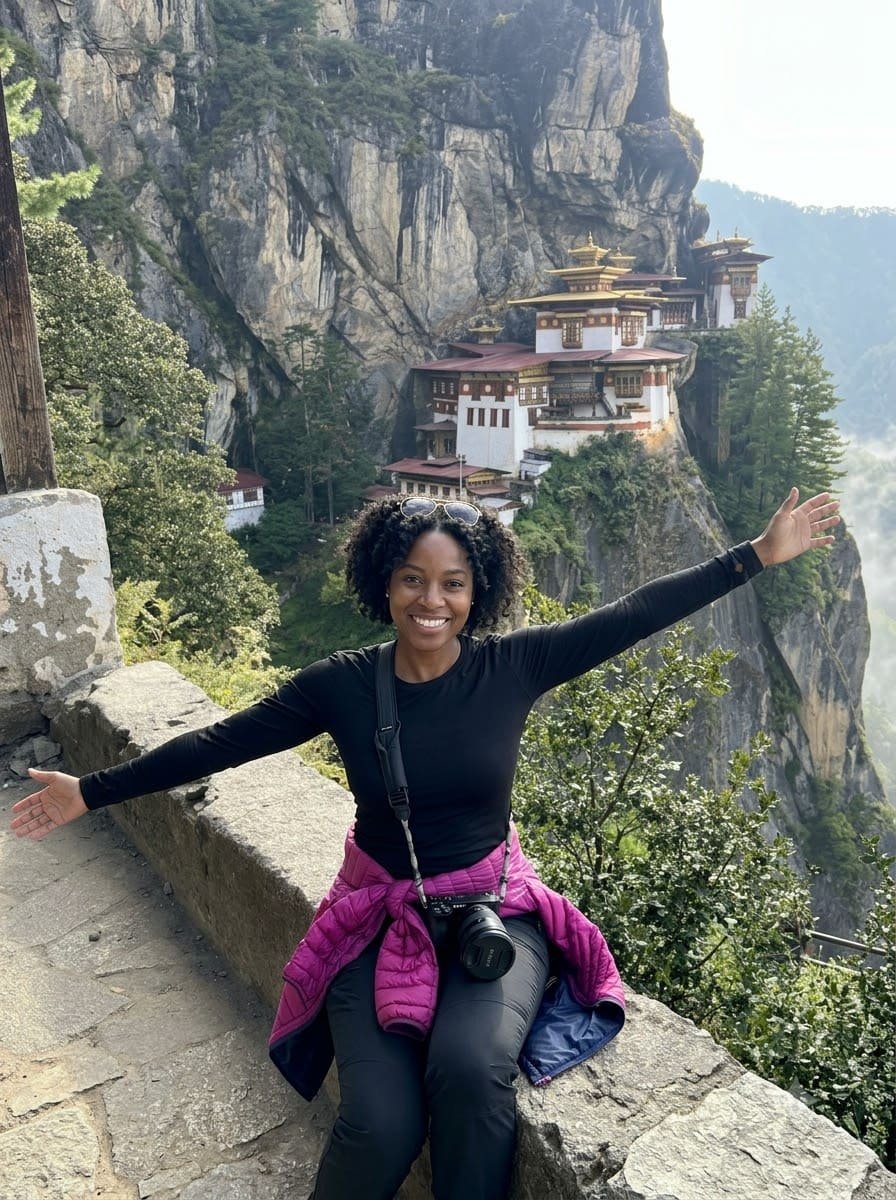
The Spring Flowers Week
7 Days6 Nights / 7 Days · Paro · Thimphu · Punakha
Ideal for: spring travelers chasing blooms and festivals
- Tiger's Nest with the hillsides coming into bloom
- Rhododendron stops over Dochula Pass
- Spring festival courtyards when dates align
- Warming trails and long valley afternoons
Best for: blooms, festivals and warming trails — the spring window used properly.
See the day-by-day plan
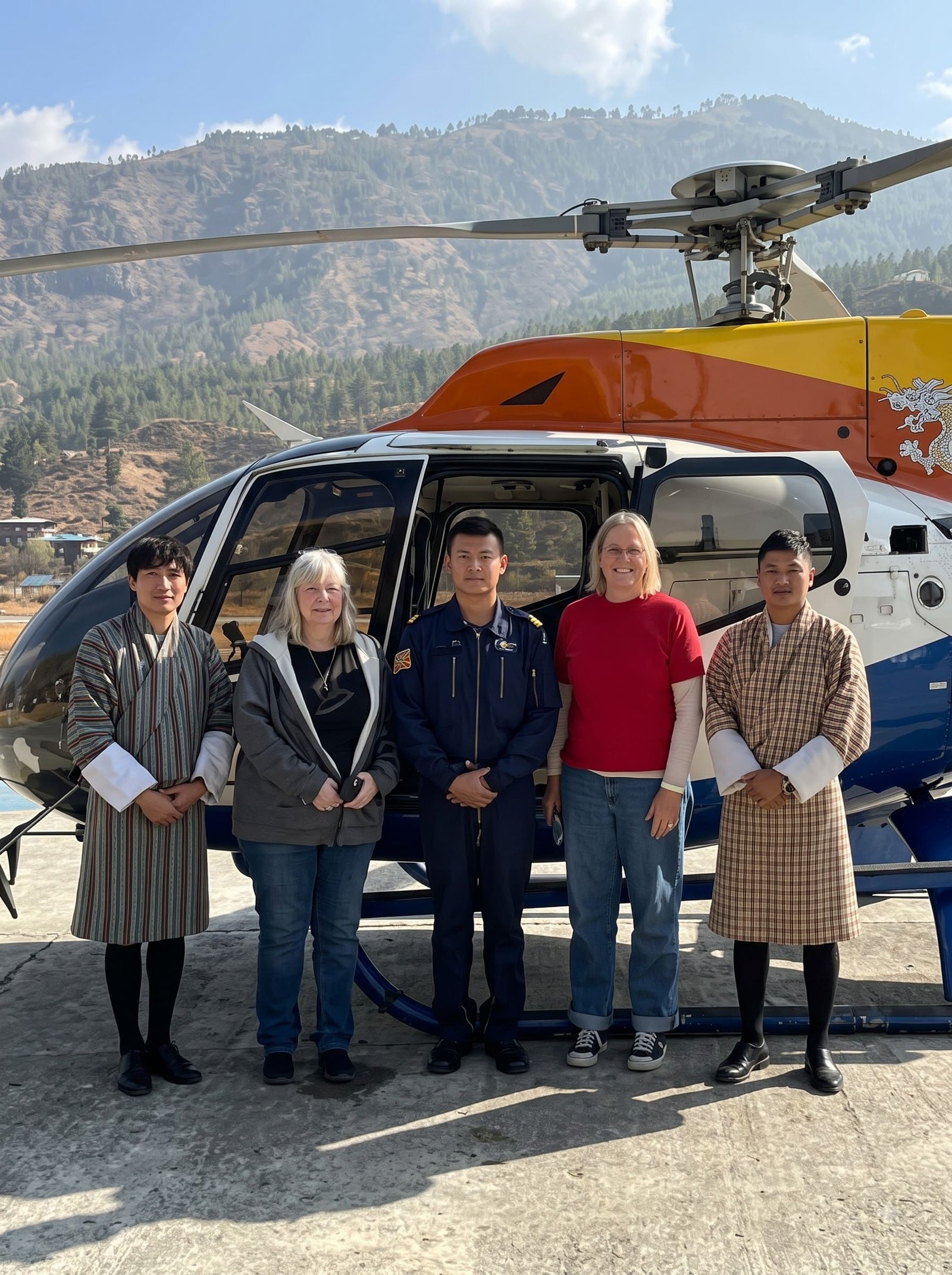
The Autumn Clear Ten-Day
10 Days9 Nights / 10 Days · four clear valleys: Paro, Thimphu, Punakha, Phobjikha
Ideal for: clarity seekers with the days to go deep
- Tiger's Nest under post-monsoon skies
- The classic four valleys at autumn depth
- Phobjikha's valley trails in first cold air
- Festival season woven around the dates
Best for: the classic autumn window taken at full depth — every valley, maximum clarity.
See the day-by-day plan

The Winter Cranes Eight-Day
8 Days7 Nights / 8 Days · Paro, Thimphu, Punakha and crane-country Phobjikha
Ideal for: winter visitors and crane mornings
- Two nights in crane-country Phobjikha
- Black-necked cranes on the valley floor in season
- Warm Punakha balancing the cold mornings
- Winter clarity and near-empty paths
Best for: silent valleys and crane mornings — winter used as an advantage, not an apology.
See the day-by-day plan
Each of the three above flexes to whatever window your calendar allows. Share your dates, group size and departure city, and a designer will draft the season-matched itinerary in writing — with the current government-set figures confirmed in the same message.
Matching the Month to the Trip
Most timing questions collapse into one of five trip styles. Find your row below and the month-choice debate ends quickly — the calendar decides, and the itinerary follows.
Trip styles and the windows that fit them
Five common travelers, five honest answers
When the dates cannot move, pay the peak tax in lead time rather than experience: reserve months out and the classic windows deliver as advertised.
Skies still perform at the edges of the peaks, rooms are easier to hold, and the country feels noticeably more private for the same itinerary.
Choose the Tshechu first, confirm the exact dates in writing, and build the valleys around the courtyard day — not the other way round.
The black-necked cranes winter in Phobjikha, so the cold months are not a compromise here — they are the entire point of the trip.
High routes open on both shoulders of the year; spring brings bloom to the middle heights, autumn brings the definitive skies to the ridgelines.
So, When Is the Best Time to Visit Bhutan?
Here is the whole year on one chart, with the clarity curve doing the talking. Higher bars mean clearer skies — and, honestly, more competition for the same rooms. The months are less opposite than they look; they are simply answers to different questions.
Weather clarity & booking pressure, by month
Higher bar = clearer skies — and tougher competition for the same rooms and seats
If the chart has a verdict, it is this: October earns its reputation, April earns its own, and everything else is a negotiation between views and privacy that some travelers actively enjoy winning. The genuinely mistaken trip is not the monsoon one — it is the peak-month one booked too late, spending the year's best weather in the year's worst-planned week.
What a Season-Timed Booking Includes
The inclusions on a season-timed booking look familiar until you notice how many lines quietly reference the window — festival seats, crane-country lodges, monsoon buffers. The list below is the standard shape; confirm each line in the written quote.
Inclusions
- Hotels matched to the season, from Punakha's warm winter valley to crane-country lodges
- Festival seats secured when announced dates anchor the trip
- A private guide and vehicle for the whole route
- Visa processing and the route permit, filed around the booking window
- The government-set Sustainable Development Fee for each night
- All meals, with seasonal menus as they come
- Airport transfers at Paro, timed to the morning flight windows
- Flexible-day buffers worked into monsoon itineraries
- Crane-centre and valley access when the winter window is chosen
Exclusions
- Long-haul flights to the gateways and the Paro leg itself
- Travel insurance with medical evacuation coverage
- Weather-forced extra nights beyond the itinerary
- Drinks beyond the table, including alcohol
- Personal gear for the season, from layers to rain shells
- Tips for the guide and driver, left to your discretion
Documents, Whatever the Month
The season changes the packing list far more than it changes the paperwork. The folder below works in every month — with one festival-season addition worth requesting in writing.
- Valid passport: six months of validity beyond the planned return date, checked at the first planning call.
- Visa clearance letter: processed by the operator before the Paro ticket is issued; carry a printed copy and a phone backup.
- SDF and visa fee receipts: paid through the operator in advance; keep them beside the clearance letter.
- Return ticket and itinerary: Paro departures leave in morning windows, so the last day is shaped around the flight.
- Insurance confirmation: a policy naming medical evacuation, whatever the season — the one line that never changes.
- The festival-date confirmation: the operator's written note of exact festival dates, since lunar-calendar dates shift each cycle.
Season changes the health prep more than the paperwork. Winter trips ask for real layers and a headlamp for early mornings; monsoon trips ask for rain shells, dry bags and a leech-tolerant sense of humor on lower trails. In both directions, keep the insurance policy's evacuation wording checked and the insurer's emergency number stored offline.
There is no single best time to visit Bhutan — there is your best time, and it hides in the tradeoff you are willing to make.
Timing Tips from the Booking Desk
Six habits of travelers who always seem to arrive at the right moment — none of which require a flexible job or a crystal ball.
Work the edges of the peaks
The first and last weeks of each peak season carry most of the weather with less of the squeeze. Late September and early November are the connoisseur's autumn for a reason.
Anchor festivals first
If a Tshechu matters to you, that date decides everything else. Confirm it in writing, then build outward — never try to bolt a festival onto a finished itinerary.
Let the operator hold flight seats early
Paro seats are limited by aircraft size, so the sequence matters: clearance, then ticket. Start the conversation early enough that the flight is a formality, not a gamble.
Match valleys to the month
Punakha stays warm when Paro shivers; Phobjikha is coldest but busiest with cranes. Good itineraries sequence valleys so the coldest bed lands after the warmest day.
Give monsoon mornings a chance
Rain arrives mostly at night, so plan sightseeing for the morning and keep a museum, dzong or craft studio as the afternoon's hedge. The green season rewards flexible minds.
Book rooms before you think you need to
Lodges with a handful of rooms disappear first in every season, peak or not. Reserving beds early costs nothing and keeps the whole calendar negotiable afterward.
Frequently Asked Questions: The Best Time to Visit Bhutan
What is the absolute best month?
October, if you are forcing a single answer — clearest skies of the year, festival season in full swing, trails dry and passes open. But October's clarity comes with the year's heaviest booking pressure, so rooms and Paro flights tighten months out. If your calendar flexes, late September and early November deliver nearly the same weather with meaningfully less company.
What is the worst time to visit?
Honest answer: the worst time is the one mismatched to the trip you want, not a month on the calendar. The monsoon months dampen mountain views and close some high routes; deep winter chills the mornings in the valleys. Yet the monsoon suits writers and slow travelers, and winter suits crane seekers. What is genuinely worst is expecting October conditions in August.
Is monsoon season really that bad?
Less than its reputation suggests. Rain tends to fall hardest at night, leaving many mornings workable, and the valleys run impossibly green. The real costs are visibility on the passes, leeches on some lower trails and closed high routes. Bookings are easy and the country feels local. Pack rain layers, keep plans flexible and lower your summit-photo expectations.
How cold does winter get?
Crisp rather than brutal by Himalayan standards. Days in the valleys often turn mild in the sun, while nights drop well below freezing — Phobjikha, the highest overnight on most routes, is the coldest bed you will sleep in. Hotels heat rooms and fire up hot-stone baths; pack real layers for mornings and enjoy the clearest air of the year.
Which months have festivals?
Festival dates follow the lunar calendar, so they shift from year to year, but the big ones cluster predictably: the Paro and Thimphu Tshechus anchor spring and autumn respectively, and regional festivals thread through the calendar in nearly every month. Your operator tracks the official announcements and can anchor an itinerary around the exact dates once they are published.
How early should peak months be booked?
Earlier than feels reasonable. For the October and April peaks, start the conversation several months out: Paro flight seats are limited by aircraft size, rooms near festival dzongs tighten first, and the best valley lodges hold few rooms of any category. Shoulder months allow shorter lead times, and the monsoon can sometimes be arranged in weeks rather than months.
When can I see black-necked cranes?
The cranes winter in Phobjikha valley, arriving late in the autumn and staying into early spring, so the reliable window runs across the winter months — cold, clear and wonderfully quiet. The crane centre interprets the season, and valley lodges put the wetlands within walking distance. Summer visitors will not see cranes; they will have the valley to themselves instead.
Are shoulder months good value?
They are the connoisseur's pick. Late September and early November hold most of the peak weather with thinner crowds; March and late May do the same for spring. The nightly fee itself does not change by season — it is government-set — but rooms are easier to secure and the experience feels more private, which for many travelers is the better currency.
Ready to Pick the Best Time to Visit Bhutan?
Tell us the window you have, the trip you want and how flexible you can be around it. A designer matches the month to the itinerary, flags the festivals that land inside it, and confirms current fee figures in writing — with no deposit until the calendar makes sense to you.